How to Transplant Common crownvetch?
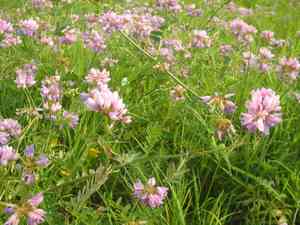
The most favorable periods for relocating common crownvetch occur from mid-spring through late spring, utilizing the temperate climate for root development. Select bright areas featuring soil that drains effectively. To achieve optimal results, ensure the soil remains adequately hydrated after transplanting, avoiding excessive wetness.
Essential Preparations Before Relocating Common Crownvetch?
When is the Best Time to Move Common Crownvetch?
For common crownvetch, the perfect time to establish new plants is in the middle of spring - typically mid to late spring. This period offers common crownvetch an ideal setting to develop roots and adapt before the strain of summer heat, ensuring strong establishment. During this time, ground temperatures are warm enough to promote root growth, yet the weather is generally mild, which means less risk of transplant shock. The ample rainfall in spring also supports the newly transplanted common crownvetch, helping it to settle in smoothly and thrive. By transplanting during this window, your common crownvetch will have the best chance of flourishing for many seasons.
What Distance Should Be Maintained Between Common Crownvetch Plants?
When you're ready to move your common crownvetch plants, ensure ample room for each to expand. As a general guideline, position each plant approximately 2-3 feet (60-90 cm) apart. This will provide them with sufficient area to extend their roots and prosper.
What is the Optimal Soil Mixture for Transplanting Common Crownvetch?
For your common crownvetch, soil that drains well is essential. Prepare the planting bed with a blend of organic compost and garden soil to support vigorous growth. A balanced, slow-release granular fertilizer can also be incorporated to provide nutrients to your plants.
Where Should You Replant Your Common Crownvetch?
Your common crownvetch plants will flourish in a location with abundant sunlight, so select a spot in your garden where they will receive at least 6-8 hours of direct sun daily. Rest assured, these plants are quite fond of the sun!
What Tools Should You Gather Before Transplanting Common Crownvetch?
Spade
This is a crucial implement for excavating the common crownvetch plant from its original spot without harming its root system.
Gardening Gloves
To safeguard your hands while handling the soil and plant material.
Garden Fork
Utilize this to loosen the soil in the new planting area prior to transplanting.
Watering Can or Hose
You'll need this to hydrate the plant before and after relocation to minimize transplant shock.
Wheelbarrow
To comfortably move the common crownvetch plant from its initial position to the new site.
Plant Marker
To identify the common crownvetch plant, especially if you're cultivating multiple varieties in your garden.
How Do You Extract Common Crownvetch from the Ground?
How Do You Extract Common Crownvetch from the Ground?
From Ground: First, hydrate the common crownvetch plant to moisten the soil. Then, using your Spade, dig a wide trench around the plant, ensuring the plant's root ball remains intact. Carefully work the Spade beneath the root ball to lift the plant from its original location.From Pot: Water the container thoroughly and allow it to drain. Next, tilt the pot sideways and gently tap the edges to loosen the soil and ease the plant out, being careful not to pull the plant by its stems. If it doesn't come out easily, slide a dull knife or thin spatula between the pot and the soil.From Seedling Tray: Fill the tray with water and let it soak for a few minutes. Then, push from the bottom of the seedling cell to pop the common crownvetch plant out. Be gentle and grasp the seedling by its leaves to avoid damaging the stems and roots.
Detailed Instructions for Transplanting Common Crownvetch
Preparing the New Site
Loosen the soil in the new location with a garden fork. Dig the hole as deep as the root ball and twice its width.
Placement
Position the common crownvetch plant in the hole with the top of the root ball level with the soil surface.
Planting
Backfill the hole with soil, gently firming it around the base of the plant.
Watering
Water generously immediately after planting to settle the soil around the roots and help the common crownvetch plant recover from transplant shock.
Marking
Finally, place a plant marker near the common crownvetch plant for easy identification.
How Do You Care For Common Crownvetch After Relocation?
Observation
Keep a close watch on the common crownvetch plant for the initial few weeks, looking for any signs of stress such as wilting or yellowing foliage. Prompt intervention will aid in quicker recovery.
Watering
The common crownvetch plant may require more frequent irrigation in its first few weeks post-transplant, especially during dry and hot weather. However, avoid excessive watering as it can lead to root rot.
Pruning
Trim away any dead or damaged leaves to encourage new growth and maintain a neat appearance for the plant.
Disease Control
Be vigilant for pests and diseases. Remove affected parts promptly and treat with an organic or chemical pesticide as needed.
Addressing Common Issues with Common Crownvetch Transplantation.
During which season is it ideal to transplant common crownvetch?
The perfect time to move common crownvetch is during S2-S3, typically regarded as later spring to middle summer.
What is the suitable spacing to transplant common crownvetch?
For common crownvetch, provide a spacing of 2-3 feet (60-90 cm). Adequate spacing allows it to grow to its full potential.
How deep should I dig the hole when transplanting common crownvetch?
Dig a hole twice as wide and the same depth as the container it came in. This allows room for new roots to spread.
What type of soil is best for transplanting common crownvetch?
Common crownvetch prefers well-drained soil, rich in organic matter. It's tolerant of a wide pH range, but thrives in slightly acidic to neutral pH.
What should I do if common crownvetch's leaves turn yellow after transplanting?
Yellowing leaves may signal overwatering or poor drainage. Adjust your watering schedule and ensure your soil is effectively draining
Why are my transplanted common crownvetch wilting?
Wilting after transplanting may result from transplant shock. Keep the soil consistently moist and provide shade during hot hours to help recovery.
How long after transplanting should I water common crownvetch?
Give common crownvetch a nice drink right after transplanting. Then, keep the soil consistently moist, but avoid waterlogging. Deep watering is preferable.
What can cause common crownvetch's growth to be stunted post-transplant?
Possible reasons may include insufficient sunlight, lack of nutrients in the soil or inadequate spacing between plants. Address these and observe any changes.
Can I transplant common crownvetch near other plants?
Yes, but remember that common crownvetch requires 2-3 feet (60 - 90 cm) to spread out. This ensures it doesn't compete for nutrients with neighboring plants.
How can I help common crownvetch recover from transplant shock?
Provide common crownvetch with plenty of water and avoid direct sunlight during the hottest periods of the day. Use a balanced fertilizer to aid recovery.



