How to Transplant Stringy stonecrop?
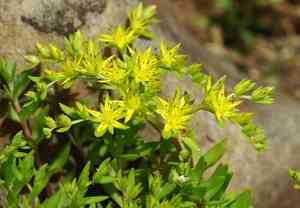
The optimal period for relocating stringy stonecrop is within the pleasant warmth of mid to late summer. Select a site featuring soil that drains effectively and abundant sunlight. Confirm that stringy stonecrop possesses ample room to expand when transplanting to foster robust development. Enjoy your gardening endeavors!
Essential Preparations Before Relocating Stringy Stonecrop?
Optimal Period for Moving Stringy Stonecrop?
The prime time for transplanting stringy stonecrop spans from mid-summer to its conclusion. This timeframe promotes the most robust growth. Relocating stringy stonecrop then enhances their overall health, allowing roots to establish, absorb nutrients, and flourish. This translates to less upkeep and a vibrant garden with thriving stringy stonecrop!
Recommended Spacing Between Stringy Stonecrop Plants?
When transplanting stringy stonecrop, aim for a spacing of 6-12 inches (15-30 cm) between individual plants. This provides ample room for growth and spread, ensuring a healthy and attractive garden display.
Best Soil Mixture for Stringy Stonecrop Relocation?
To prepare for transplanting stringy stonecrop, select a soil mix that drains well, as this plant prefers somewhat dry conditions. Incorporate a balanced slow-release fertilizer into the soil before planting, ensuring consistent and vigorous growth for your stringy stonecrop.
Ideal New Location for Your Stringy Stonecrop?
When transplanting stringy stonecrop, choose a spot that receives full sun to partial shade. These plants are adaptable, thriving in various light conditions. Just ensure sufficient sunlight for optimal development and vivid coloration.
Equipment Needed Before Transplanting Stringy Stonecrop?
Gardening Gloves
To safeguard your hands while handling soil and the plant.
Shovel or Spade
For excavating holes and trenches for the transplant.
Hand Trowel
For more precise digging and planting tasks.
Watering Can
To hydrate the plant before and after its relocation.
Garden Secateurs or Pruners
To trim any damaged roots or foliage prior to transplanting.
Measuring Tape or Stick
To ensure correct spacing between plants.
Organic Compost or Well-rotted Manure
To enrich the soil and aid stringy stonecrop in developing stronger root systems.
How to Extract Stringy Stonecrop from its Current Location?
How to Extract Stringy Stonecrop from its Current Location?
From Ground: First, moisten the soil around the stringy stonecrop plant to facilitate digging. Next, excavate a wide trench around the plant using a shovel or spade, taking care not to harm the root ball. Gently work the spade beneath the root ball to lift the plant from its original spot.From Pot: Water the stringy stonecrop plant, then carefully tilt the pot and tap it lightly to prevent the root ball from sticking. If needed, use a hand trowel or your fingers to gently loosen the soil along the pot's edges, then carefully slide the plant out, ensuring you hold it by the root ball and not the foliage.From Seedling Tray: Water the seedlings to moisten the soil. Use a small hand trowel or a spoon to loosen the soil around the base of the stringy stonecrop seedling. Carefully lift the seedling from the tray, holding it by the leaves and avoiding damage to the delicate roots.
Detailed Steps for Transplanting Stringy Stonecrop
Selecting the Correct Time
Relocate stringy stonecrop during the cooler periods of spring or autumn when the plant is not actively growing. Avoid transplanting during hot summer months or extremely cold conditions.
Preparing the New Site
Prepare the new planting area by removing any weeds, debris, or large stones. Dig a hole twice the size of stringy stonecrop's root ball using a shovel or spade.
Amending the Soil
Mix organic compost or well-rotted manure into the soil, reserving a portion to backfill the hole around the plant later.
Placing the Plant
Carefully lower the stringy stonecrop plant into the hole, ensuring its root ball is level with the surrounding soil.
Backfilling the Hole
Fill the hole around the stringy stonecrop plant with the reserved soil mixed with compost or manure, pressing it gently but firmly to eliminate air pockets.
Watering
Thoroughly water the stringy stonecrop plant, allowing the water to soak into the soil so the plant can settle into its new location.
Post-Transplant Care for Stringy Stonecrop
Watering
Keep the soil around the stringy stonecrop consistently moist, but not waterlogged, during the initial weeks after transplanting to aid root establishment. Once settled, stringy stonecrop generally requires minimal upkeep and can endure occasional dry spells.
Trimming
Prune stringy stonecrop in early spring to encourage compact growth and maintain its form. If the plant becomes leggy or overgrown, cut it back by up to one-third to promote bushier development.
Pest Control
Regularly inspect the stringy stonecrop plant for pests, particularly aphids and slugs. Address any infestations promptly using appropriate organic or chemical control methods.
Winter Protection
If the stringy stonecrop is located in an area with harsh winter temperatures, provide some protection by applying a layer of mulch over the root zone.
Resolving Common Issues with Stringy Stonecrop Transplantation.
When is the best time to move stringy stonecrop?
The ideal period to relocate stringy stonecrop is from mid-summer to late summer. This timing ensures optimal growth.
What is the recommended distance between stringy stonecrop plants when moving them?
For successful growth, maintain a distance of approximately 6-12 inches (15-30 cm) between stringy stonecrop plants.
My stringy stonecrop isn't flourishing after being transplanted, any suggestions?
Stringy stonecrop prefers full sun but can tolerate partial shade. If it's struggling, it might need more light.
What if the leaves on my relocated stringy stonecrop start to wilt?
This could indicate insufficient water. Ensure the soil is uniformly moist but not saturated.
What type of soil does stringy stonecrop prefer when being transplanted?
Stringy stonecrop thrives in well-draining soil. When transplanting, use a mix of soil, peat, and sand.
Is there a specific planting depth for stringy stonecrop during transplantation?
Plant stringy stonecrop at the same depth it was in its original container. Planting too deep could lead to rot.
What should I do if the transplanted stringy stonecrop begins to lose its color?
Stringy stonecrop may lose color due to inadequate sunlight exposure or excessive watering. Adjust these factors and observe.
Why are the leaves from my stringy stonecrop dropping after being transplanted?
Overwatering might be the cause. Remember, stringy stonecrop needs its soil to dry between waterings to thrive. Adjust accordingly.
How should I water my stringy stonecrop after relocation?
Water thoroughly after transplanting. Afterward, allow the soil to dry completely before the next watering session.
Should I fertilize my stringy stonecrop after transplanting?
Stringy stonecrop does not require a lot of nutrients. You can feed it sparingly with a balanced, slow-release fertilizer.



