How to Transplant Common groundsel?
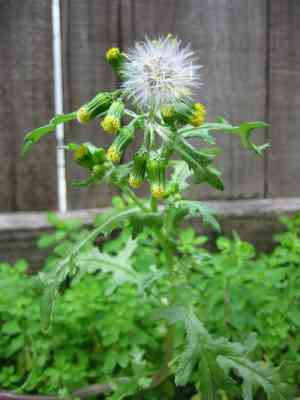
The optimal period for transplanting common groundsel is during the active growing seasons, when development is robust. Verify that the new location possesses fertile, adequately draining earth. Reduce root disruption for common groundsel to flourish.
What Preparations are Needed Before Transplanting Common Groundsel?
What is the Ideal Time for Transplanting Common Groundsel?
The perfect period for relocating common groundsel is during the spring season. This time offers moderate temperatures and consistent rainfall, fostering root development and growth. Moving your common groundsel during this revitalizing phase capitalizes on its natural growth cycle, boosting vigor and ensuring a strong beginning. Engaging in this early-year practice guarantees your common groundsel optimal development conditions, setting the stage for a season abundant in growth and vitality.
How Much Space Should You Leave Between Common Groundsel Plants?
When moving common groundsel, ensure proper spacing. Aim for a distance of approximately 1-2 feet (30.5-61 cm) between each plant. This provides ample room for individual plants to grow and flourish, without competing for nutrients and root space.
What is the Best Soil Mix for Common Groundsel Transplanting?
For common groundsel, prepare soil that drains well and is rich in organic matter. Before transplanting, incorporate a foundational fertilizer into the soil to provide your plants with a nutritional boost. A slow-release fertilizer, high in nitrogen, will be suitable.
Where Should You Relocate Your Common Groundsel?
Regarding placement, common groundsel prefers a location with abundant sunlight. However, it can endure partial shade if that's the only option. Just remember, more sunlight generally leads to a healthier plant!
What Equipments Should You Prepare Before Transplantation Common Groundsel?
Gardening Gloves
To safeguard your hands while handling the plant and soil.
Shovel or Spade
To excavate the plant from its original spot without harming the roots.
Trowel
To dig an appropriate hole in the new location for the plant.
Watering Can
To hydrate the plant both prior to and following the transplant.
Garden Fork
To loosen the soil surrounding the root ball when extracting from the ground.
Wheelbarrow
To transport the plant and its root ball from its initial position to the new one.
How Do You Remove Common Groundsel from the Soil?
How Do You Remove Common Groundsel from the Soil?
From Ground: Start by watering the common groundsel plant; this helps soften the soil for easier removal. Use a garden fork to carefully loosen the earth around the plant, being cautious not to harm the roots. Gently digging up the plant with a portion of its root ball and surrounding soil is crucial for its survival during transplant.From Pot: Water the common groundsel plant. Turn the pot on its side, hold the plant gently by its stems or leaves, and tap the bottom of the pot to dislodge it. You might need to tap the sides of the pot to help free the plant.From Seedling Tray: Thoroughly water the common groundsel seedlings before transplanting. Use a spoon or similar utensil to carefully remove the seedlings, ensuring the delicate roots are not damaged. Try to keep as much original soil with the roots as possible during transfer.
Step-by-Step Guide for Transplanting Common Groundsel
Preparation
Thoroughly water the common groundsel plant before beginning the transplantation process. This will not only facilitate removal but also help the plant cope better with the stress of being moved.
Removal
Employ the specific method detailed above, appropriate for your plant's current environment, whether it's the ground, a pot, or a seedling tray.
Transportation
Utilize a wheelbarrow to move the plant to its new site; this will prevent damage to both the plant and its root system.
Planting
Use a trowel to dig a hole in the new location, ensuring it's deep enough to cover the plant's root ball. Position the plant in the hole and gently backfill with soil, making sure the plant stands upright.
Settling
Water the plant thoroughly after transplanting. This aids in properly establishing the plant in its new spot.
How Do You Care For Common Groundsel After Transplanting?
Watering
It is very important to keep the common groundsel plant adequately watered. Do not allow the soil to dry out, but also avoid overwatering, as this can lead to root rot. For the first 2 weeks post-transplant, watering should occur daily.
Protection
Properly timed transplantation should ideally prevent the plant from experiencing shock, but in the days following the move, shield your common groundsel plant from strong winds or excessive direct sunlight.
Monitoring Plant Health
Closely observe your common groundsel plant after transplanting. Look for indications of stress or wilting, which might suggest the plant is not adapting well to its new environment.
Troubleshooting Common Issues with Common Groundsel Transplantation.
What's the prime season to transplant common groundsel?
Common groundsel thrives best when transplanted during early to mid-season (S1-S3). It helps the plant to acclimatize and grow optimally.
How much space should I leave between each common groundsel during transplantation?
To ensure each common groundsel has enough space to grow, maintain an ideal spacing of 1-2 feet (30-60 cm) between each plant.
Why are my common groundsel showing signs of wilting after transplantation?
Wilting after transplantation could be due to shock. Always water common groundsel adequately after moving them, and ensure they're not exposed to harsh sunlight or wind.
What kind of soil does common groundsel prefers during transplantation?
Common groundsel prefers well-draining soil, rich in organic matter. Add compost or organic fertiliser during transplantation to boost soil fertility.
How does temperature affect common groundsel's growth after transplantation?
Temperature extremes can hinder common groundsel's growth. Ideal temperatures for growth are between 60-75°F (15-24°C). Anything beyond this can stress the plant.
How do I prevent transplant shock in common groundsel?
Minimize root disturbance during transplantation of common groundsel. Also, perform transplantations during cooler parts of the day to reduce evaporation and shock.
What to do if the common groundsel isn't thriving after transplantation?
Check soil moisture levels and ensure common groundsel is getting enough light. If problems persist, move the common groundsel to a location with better conditions.
Is it crucial to prune common groundsel while transplanting?
Pruning isn't necessary during transplantation. However, removing a few larger leaves can reduce transpiration stress and promote faster growth of common groundsel.
Should I fertilize common groundsel immediately after transplanting?
Wait about a week after transplanting common groundsel before applying a mild, slow-release fertilizer. This will help the plant get established without overloading it with nutrients.
How much water does common groundsel need after transplantation?
Initially, common groundsel needs frequent watering, but should not be overwatered. After a week or two, water thoroughly when the top inch of soil (2.5 cm) feels dry.



