How to Transplant Blue moor-grass?
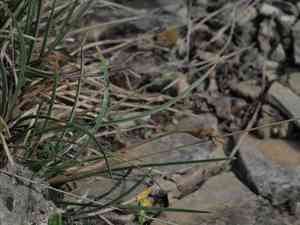
The most favorable period for relocating blue moor-grass is from the mild warmth of late spring through early summer, which facilitates robust root development. Select a location that receives full sun to partial shade and features soil that drains effectively, encouraging energetic proliferation. Handle the transplantation process delicately, preserving the roots' structure to ensure effortless acclimation.
What Preparations are Needed Before Transplanting Blue Moor-grass?
What is the Ideal Time for Transplanting Blue Moor-grass?
The best time to move blue moor-grass is in late spring or early summer. This period offers optimal temperatures and consistent growth conditions, which are excellent for root development without the stress of intense summer heat. Transplanting blue moor-grass at this point helps them settle in milder weather, ensuring they are well-established and robust for the warmer months. Following this advice will help your blue moor-grass flourish in its new spot.
How Much Space Should You Leave Between Blue Moor-grass Plants?
When relocating blue moor-grass, aim to provide ample room for each plant to thrive. I recommend spacing them approximately 1-2 feet (30-60 cm) apart. This spacing allows for sufficient root expansion and fosters a healthy community of plants.
What is the Best Soil Mix for Blue Moor-grass Transplanting?
Blue moor-grass thrives in well-drained soil and can adapt to various types, including chalk, clay, sand, or loam. Before planting, enrich the soil with organic matter or a slow-release fertilizer to provide a nutrient-rich start. Remember, healthy soil leads to a healthy plant!
Where Should You Relocate Your Blue Moor-grass?
Regarding location for blue moor-grass, it prefers full sun but can also tolerate partial shade. Keep this in mind when selecting a planting site. A spot receiving morning sun and afternoon shade could be perfect. Ensuring adequate light is crucial for its development.
What Equipments Should You Prepare Before Transplantation Blue Moor-grass?
Gardening Gloves
To safeguard your hands while handling the plant and working with the soil.
Trowel
For excavating small holes for seedlings or young blue moor-grass plants.
Digging Spade
Useful for more demanding digging tasks, especially when extracting a plant from its original spot.
Watering Can
To hydrate your blue moor-grass plant both prior to and following the transplanting process.
Mulch
Applied after transplanting to help maintain soil moisture and inhibit weed growth.
How Do You Remove Blue Moor-grass from the Soil?
How Do You Remove Blue Moor-grass from the Soil?
From Ground: To extract your blue moor-grass plant from its current ground location, start by moistening the soil to soften it. Next, using a shovel or spade, carefully dig a wide circle around the plant, ensuring the root ball remains intact. Use the spade to gently loosen the soil around the root ball, then lift the plant from the ground.From Pot: If your blue moor-grass is currently in a container, water the plant first to keep the root ball cohesive. Then, carefully tilt the pot on its side and gently slide the plant out, preserving the shape of the soil and roots.From Seedling Tray: To remove blue moor-grass from a seedling tray, water it thoroughly beforehand. Gently push the seedling up from the bottom of the tray slot and observe the root system. Remember to maintain the integrity of the roots and soil to prevent plant shock.
Step-by-Step Guide for Transplanting Blue Moor-grass
Inspect The Plant
Examine your blue moor-grass plant for any indications of disease or pest infestation. A robust plant has a higher chance of thriving after transplantation.
Dig Hole
Excavate a hole that is twice as wide and the same depth as the original root ball. This provides ample space for the roots to establish themselves.
Place Plant
Position the blue moor-grass plant in the hole, ensuring the top of the root ball is level with the surrounding soil.
Backfill Hole
Carefully refill the hole with soil, gently firming it around the base of the plant.
Water Well
Thoroughly water the blue moor-grass plant, saturating the soil around its base.
Apply Mulch
Spread a 2-3 inch layer of mulch around the plant's base to help retain moisture.
How Do You Care For Blue Moor-grass After Transplanting?
Observation
Regularly monitor your transplanted blue moor-grass over the subsequent weeks. Look for signs of stress or poor health, such as wilting, yellowing, or dropping leaves.
Pruning
You may lightly trim the blue moor-grass plant if it exhibits signs of stress. This reduces the amount of foliage the roots need to support and can aid recovery.
Avoid Disturbing
Try not to disrupt the plant's roots for several weeks after transplanting. This allows the roots to recover and begin absorbing water and nutrients effectively.
Regular Watering
Continue to water your blue moor-grass, ensuring the soil remains moist but avoid waterlogging. Allow the top inch of soil to dry before the next watering session.
Troubleshooting Common Issues with Blue Moor-grass Transplantation.
When is the best time to transplant blue moor-grass?
The optimal period to transplant blue moor-grass is during seasons 3 to 5. This means from late summer to early autumn.
What should be the ideal space between blue moor-grass plants while transplanting?
To provide blue moor-grass with sufficient room to grow, they should be spaced approximately 1-2 feet (30-60 cm) apart.
How deep should the holes be when transplanting blue moor-grass?
The hole's depth should match the plant's root ball. This allows blue moor-grass to settle comfortably in its new location.
What type of soil is ideal for transplanting blue moor-grass?
Blue moor-grass prefers well-drained soil. Enriching the soil with organic matter before transplanting can ensure optimal growth.
Do I need to water blue moor-grass right after transplanting? How much?
Yes, ensuring blue moor-grass is adequately watered is crucial after transplanting. Thoroughly moisten the soil but avoid waterlogging to prevent root rot.
What is the suitable temperature for transplanting blue moor-grass?
Blue moor-grass can be transplanted across a broad temperature range, but a moderate temperature around 65-75°F (18-24°C) is considered ideal.
How should I handle blue moor-grass while transplanting to prevent damage?
Handle blue moor-grass gently during transplanting. Be especially careful not to harm the root ball as it can hinder the plant's growth.
How soon can I expect blue moor-grass to establish after transplantation?
Blue moor-grass typically takes a few weeks to establish after transplantation. However, this may vary depending on the plant's overall health and growing conditions.
Can I add fertilizer immediately after transplanting blue moor-grass?
You may apply a slow-release fertilizer immediately after transplanting blue moor-grass to encourage growth. However, avoid high-nitrogen fertilizers as they may burn the roots.
What to do if blue moor-grass appears wilted after transplanting?
If blue moor-grass appears wilted after transplanting, it might need more water. However, ensure a balance as both under and over-watering can harm the plant.



