How to Transplant Cat greenbrier?
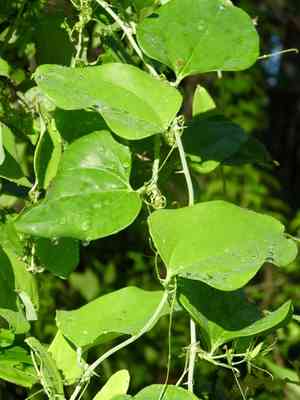
The ideal period for relocating cat greenbrier is during the peak of mid to late spring, a time of robust development. Select a site offering partial shade and soil that drains effectively. For well-rooted cat greenbrier, guarantee minimal disruption to its root system to achieve optimal results.
Preparations for Relocating Cat Greenbrier
Optimal Timing for Cat Greenbrier Relocation
The best period for moving cat greenbrier is during the vibrant phase of early to mid-spring. This season, when life reawakens, provides cat greenbrier with the most favorable start. Transplanting at this time utilizes the mild temperatures and consistent moisture, aiding root development before summer's heat. Shifting cat greenbrier now helps it adapt and strengthen, ensuring robust growth in upcoming seasons. It's a gentle reminder that your garden's green companions flourish with a well-timed change, and spring offers that fresh beginning.
Required Spacing Between Cat Greenbrier Plants
Begin your cat greenbrier transplanting by providing ample room for expansion. Aim for a distance of approximately 3-5 feet (0.9-1.5 meters) between each plant. They require significant space to develop, so be patient!
Ideal Soil Blend for Cat Greenbrier Transplanting
Your cat greenbrier will thrive in soil that drains well and is rich in humus. Incorporate organic matter or compost if the soil is excessively sandy or clayey. You might also consider a balanced slow-release fertilizer to maintain your cat greenbrier's health over an extended period.
Choosing a New Site for Your Cat Greenbrier
Select a spot for your cat greenbrier where it can receive full sun or partial shade. While cat greenbrier is adaptable to various light conditions, it will flourish best with a balanced mix of light and shade. Happy gardening!
Equipment Needed Before Transplanting Cat Greenbrier
Shovel or Spade
Essential for digging around the cat greenbrier's root ball to keep it intact. Also useful for excavating the new planting hole.
Gardening Gloves
To safeguard your hands while handling soil and plants.
Watering Can/Kettle
Crucial for maintaining plant hydration during and after the transplanting process.
Wheelbarrow
Facilitates moving the plant from its original spot to the new location with minimal stress.
Gardening Trowel
Handy for minor adjustments during cat greenbrier transplanting or clearing debris from the soil.
Mulch
Beneficial for insulating the soil around the transplanted plant, helping to reduce shock.
Method for Extracting Cat Greenbrier from Soil
Method for Extracting Cat Greenbrier from Soil
From Ground: First, hydrate the cat greenbrier plant to moisten the soil, simplifying excavation. Next, use a shovel to dig a wide trench around the plant, ensuring the root ball remains undamaged. Once done, carefully work the spade beneath the root ball to lift the plant.From Pot: Begin by watering the potted cat greenbrier, which will ease its removal. Invert the pot and gently tap its base to release the plant. If difficult to remove, use a trowel to loosen soil around the edges. Handle the plant by its root ball to prevent stem or leaf damage.From Seedling Tray: Fill the ground hole with water and place the cat greenbrier seedling. With extreme care, remove the seedling from the tray by pushing from the bottom. Try to hold the leaves, not the stem, as they are more resilient.
Step-by-Step Guide for Cat Greenbrier Transplanting
Preparation
Water the cat greenbrier plant in its current location several hours before transplanting, ensuring the soil is thoroughly saturated. This hydration will make removal easier and less stressful for the plant.
Digging New Hole
Use a shovel to dig a hole that is twice as wide and as deep as the root ball. This will provide ample space for the roots to spread and grow.
Placement
Carefully position the cat greenbrier into the hole, verifying it's at the correct depth. The top of the root ball should be level with or slightly above the surrounding soil to prevent waterlogging.
Backfilling
Gently refill the hole around the root ball with the excavated soil, lightly compacting to eliminate air pockets.
Watering
After planting, water thoroughly. The water will settle the soil around the roots and aid the plant in establishing itself in its new spot.
Post-Transplant Care for Cat Greenbrier
Ongoing Care
Monitor soil moisture and water when the top inch of soil feels dry. Do not allow the cat greenbrier to completely dry out, but also avoid overwatering.
Protection
Watch for pests and diseases. If cat greenbrier shows signs of either, treat with appropriate organic pesticides or fungicides.
Pruning
Removing spent flowers and excess growth can encourage healthier development and more abundant, vibrant future blooms.
Patience
Allow the cat greenbrier plant time to adjust to its new environment. It may take a few seasons for the plant to fully recover after being transplanted. Remember, plants, like people, need time to adapt to new surroundings!
Resolving Common Cat Greenbrier Transplantation Issues
Best season for cat greenbrier transplant?
The ideal period to move cat greenbrier is between late spring and early summer, offering optimal conditions for growth.
Recommended spacing for transplanted cat greenbrier?
Ensure cat greenbrier plants are spaced 3-5 feet (91-152 cm) apart. This distance guarantees each plant sufficient room to thrive.
Factors for choosing a new cat greenbrier location?
The new site should have adequate sunlight and moderately fertile, well-drained soil. Ideally, it should mimic its natural woodland habitat.
Correct planting depth for cat greenbrier?
Plant cat greenbrier at a depth similar to its previous location. Shallow planting can harm the root system and hinder growth.
Watering needs for cat greenbrier after transplant?
Water cat greenbrier immediately after transplanting, then regularly to keep it moist. However, excessive watering can lead to root rot.
Can cat greenbrier be transplanted into a container?
Yes, it can. Ensure the container has ample drainage holes and is sufficiently large—approximately 12 inches (30 cm) in diameter.
Should cat greenbrier be pruned before transplanting?
Not necessarily. Pruning can add stress to cat greenbrier. Only remove dead or diseased stems if observed.
How to ensure successful adaptation of cat greenbrier post-transplant?
Keep the area free of weeds and shield it from strong winds during the first season. A layer of mulch can help retain soil moisture.
How to prevent transplant shock in cat greenbrier?
Transplant shock can be minimized by thorough watering after transplanting, providing shade, and potentially using a root stimulant for faster root establishment.
Can cat greenbrier seedlings be transplanted?
Yes, cat greenbrier seedlings can be transplanted. However, allow them to grow for at least a year in their initial spot for a better survival rate.



