How to Transplant Roundleaf greenbrier?
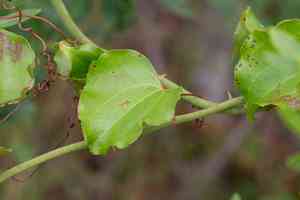
The most favorable period to establish roundleaf greenbrier in your garden is from late spring through early summer, providing ideal circumstances for development. Select a location with partial shade and soil that drains effectively, replicating roundleaf greenbrier's native environment for flourishing outcomes.
What Preparations are Needed Before Transplanting Roundleaf Greenbrier?
What is the Ideal Time for Transplanting Roundleaf Greenbrier?
The optimal period to move roundleaf greenbrier is from late spring to early summer. Transplanting during this timeframe takes advantage of favorable weather, allowing roundleaf greenbrier to develop strong roots before the intense summer heat. This timing offers mild temperatures and extended daylight, which support successful root growth and adaptation, thereby boosting roundleaf greenbrier's vigor and potential for development. Select this interval for a smooth transition and to ensure the best start for roundleaf greenbrier's new growth cycle. Helpful hint: Consider this period the 'sweet spot' for garden relocations, facilitating roundleaf greenbrier's ability to thrive in its new spot!
How Much Space Should You Leave Between Roundleaf Greenbrier Plants?
When relocating roundleaf greenbrier, ensure adequate spacing between each plant. Aim for a distance of approximately 4-6 feet (1.2-1.8 meters). This separation provides ample room for your plants to expand and flourish without becoming overcrowded.
What is the Best Soil Mix for Roundleaf Greenbrier Transplanting?
Prepare your soil for roundleaf greenbrier by incorporating a quality base fertilizer. Opt for well-draining soil, ideally sandy or silty. A nutrient-rich compost would be perfect. This will aid the plant's root development and overall health.
Where Should You Relocate Your Roundleaf Greenbrier?
Regarding the perfect spot for your roundleaf greenbrier, it enjoys sunlight but also benefits from some shade. Look for a garden location that receives a healthy mix of sun and shadow. This will keep your plant content and well-adjusted to its new environment.
What Equipments Should You Prepare Before Transplantation Roundleaf Greenbrier?
Gardening Gloves
To safeguard your hands while handling soil and the roundleaf greenbrier plant.
Spade or Shovel
To excavate the new planting site and extract the plant from its original position.
Garden Trowel
To precisely adjust the transplant hole or manage smaller plants.
Pruning Shears
For trimming the long tendrils of the roundleaf greenbrier and any damaged roots.
Watering Can
For hydrating the plant before and after its relocation.
String and Stakes
Useful for supporting the roundleaf greenbrier, as it is a climbing vine and its new shoots will require assistance in attaching to a support.
How Do You Remove Roundleaf Greenbrier from the Soil?
How Do You Remove Roundleaf Greenbrier from the Soil?
From Ground: First, moisten the soil around the roundleaf greenbrier plant by watering it. This will facilitate digging and minimize root stress. Use a spade or shovel to create a trench around the roundleaf greenbrier, striving to keep the root ball as intact as possible. Next, carefully work the spade or shovel beneath the root ball to lift the plant from its initial spot.From Pot: If roundleaf greenbrier is in a container, water it thoroughly until water exits the drainage holes. Gently tip the pot and allow gravity to assist as you ease the plant out, avoiding pulling on the stems.From Seedling Tray: If your roundleaf greenbrier is ready to move from a seedling tray, saturate the entire tray before transplanting to ensure the roots are not dry. Then, carefully remove each seedling by holding it by its leaves, not the stem, and push the base using a table knife or similar small tool.
Step-by-Step Guide for Transplanting Roundleaf Greenbrier
Digging the Hole
First, pinpoint the new location for your roundleaf greenbrier, then dig a hole 2 to 3 times wider and slightly deeper than the plant's root ball using a spade or shovel.
Preparing the roundleaf greenbrier
Trim the plant, removing lengthy vines and any tangled or damaged roots. This will encourage healthier growth post-transplantation.
Placing the Plant
Afterward, carefully position the roundleaf greenbrier in the prepared hole, ensuring the top of the root ball is level with the soil surface.
Back Filling
Gently backfill the hole, compacting the soil as you go to eliminate any air pockets.
Watering
Once transplanted, water the roundleaf greenbrier thoroughly. Then, install any supports or stakes for the roundleaf greenbrier vines and gently secure it with string.
Mulching
Finally, spread a layer of mulch around the plant's base to help retain soil moisture.
How Do You Care For Roundleaf Greenbrier After Transplanting?
Watering
Immediately after relocating roundleaf greenbrier, water it generously and gradually reduce watering as the plant becomes established. Keep the soil moist, but not waterlogged.
Pruning
Remove any dead or yellowing leaves or vines to help the plant direct its energy towards new growth.
Weed Control
Regularly inspect the area around the roundleaf greenbrier for weeds, as they can compete with the plant for essential nutrients.
Pest and Disease Control
Monitor for common signs of pests. If detected early, organically approved insecticides or fungicides can prevent significant damage.
Support
Continue to adjust the strength and configuration of the support system as the roundleaf greenbrier grows.
Troubleshooting Common Issues with Roundleaf Greenbrier Transplantation.
When is the ideal time to transplant roundleaf greenbrier?
The best time to transplant roundleaf greenbrier is from late summer to early autumn (S3-S4).
Whatâs the optimal spacing between roundleaf greenbrier during transplanting?
A spacing of about 4-6 feet (1.2-1.8 meters) between roundleaf greenbrier plants is advised for optimal growth.
How deep should I plant roundleaf greenbrier for a successful transplant?
For roundleaf greenbrier, ensure the hole is deep enough to cover the roots. This is typically around 10 inches (25 cm), depending on the root size.
Should I fertilize roundleaf greenbrier during transplanting?
Fertilizing is not necessary during transplantation. Wait until the plant is well-established, usually after a few weeks, before beginning light fertilization.
How often should I water roundleaf greenbrier after transplanting?
Initially, the roundleaf greenbrier plant should be watered moderately daily for 2-3 weeks. Once established, the plant only requires watering 2-3 times per week.
Is there a specific soil type for transplanting roundleaf greenbrier?
Roundleaf greenbrier prefers well-drained soil. It can thrive in various soil types but grows best in loamy or sandy soil.
What to do if the leaves of roundleaf greenbrier turn yellow after transplanting?
Yellow leaves after transplanting roundleaf greenbrier could indicate stress or nutrient deficiency. Consider applying a balanced slow-release fertilizer.
Why is roundleaf greenbrier wilting after transplanting?
Wilting after transplanting usually means roundleaf greenbrier is receiving too much or too little water. Check the soilâs moisture level and adjust watering as needed.
What should I do if insects start affecting roundleaf greenbrier post-transplant?
You can use an organic insecticide if insects begin to attack your roundleaf greenbrier. Also, try eliminating their habitat and food sources in the vicinity.
Why is roundleaf greenbrier not growing after transplanting?
Slow growth might be due to transplant shock. Maintain consistent watering, provide sufficient light, and use a balanced fertilizer if necessary.



