How to Transplant Black nightshade?
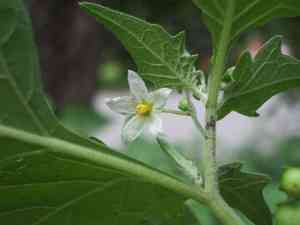
The most favorable period for relocating black nightshade is the pleasant weather window from mid-spring to early summer, leveraging the mild temperatures for superior root development. Select a spot featuring soil that drains effectively, receives partial to full sun exposure, and contemplate enhancing the area with compost to foster robust development.
What Preparations are Needed Before Transplanting Black Nightshade?
What is the Ideal Time for Transplanting Black Nightshade?
Moving black nightshade during the vibrant period of mid-spring to early summer is optimal, as mild temperatures support root establishment without excessive heat stress. This timing provides black nightshade a growth advantage, ensuring strong development before the full summer heat, which can be taxing for young plants. With warming soil and consistent daylight, black nightshade's transition is smoother, promoting vigorous growth and a more abundant yield. This favorable period for black nightshade's growth cycle makes it an excellent window for transplanting!
How Much Space Should You Leave Between Black Nightshade Plants?
When getting ready to transplant your black nightshade, ensure ample space between each plant. Aim for approximately 1-1.5 feet (30-45 cm) apart. This allows them sufficient room to grow and flourish without becoming overcrowded.
What is the Best Soil Mix for Black Nightshade Transplanting?
Prepare your soil for black nightshade by incorporating a foundational fertilizer into a loamy soil. This helps create the rich, well-drained environment that black nightshade prefers, encouraging optimal growth and health.
Where Should You Relocate Your Black Nightshade?
Consider the location when transplanting your black nightshade. This plant thrives in sunlight, so select a garden spot that receives plenty of sun throughout the day. Moderate afternoon shade can also be suitable.
What Equipments Should You Prepare Before Transplantation Black Nightshade?
Gardening Gloves
To safeguard your hands while handling soil and black nightshade.
Shovel
Utilize this for excavating the hole in your garden where the plant will be relocated and for extracting the plant from its initial spot if it's currently in the ground.
Hand trowel
Ideal for digging up smaller plants or accessing confined areas.
Watering Can
For hydrating the black nightshade plant both prior to and following the transplanting process.
Pruning Shears
These might be necessary to trim black nightshade roots if they are excessively long or to remove any damaged or unhealthy sections of the plant.
Wheelbarrow
Useful for transporting larger black nightshade plants from one location to another.
Gardening Fork
Excellent tool for loosening the soil around the plant in its original position.
How Do You Remove Black Nightshade from the Soil?
How Do You Remove Black Nightshade from the Soil?
From Ground: Start by watering the black nightshade plant to moisten the soil. Next, dig a wide trench around the plant using the shovel, ensuring the plant's root ball remains intact. Carefully work the spade beneath the root ball to lift it from its original spot.From Pot: First, water the black nightshade plant to dampen the soil, then gently remove the plant by turning the pot sideways, holding the black nightshade near its base, and tapping the pot's bottom to loosen it. If the plant is resistant, you might need to run a knife or a thin, flat tool along the pot's inner edge to free the soil.From Seedling Tray: If the plant is in a seedling tray, you can loosen the soil with a small, flat tool, then carefully lift the plant from its base, ensuring you do not harm the roots.
Step-by-Step Guide for Transplanting Black Nightshade
Preparation
Before transplanting, water the black nightshade plant generously a day beforehand. This ensures the plant is hydrated and free from stress, leading to a more successful transplant.
Plant Removal
Follow the instructions provided in the preceding section to extract the plant from its current location.
Transplant Hole
Dig a hole twice the size of the black nightshade plant's root ball. Loosen the soil at the bottom and along the sides to encourage rapid root growth.
Planting
Gently place the black nightshade plant into your prepared hole. Ensure it stands upright and that the top of the root ball is level with the ground surface.
Backfill
Cover the black nightshade plant's root ball with the backfill soil, patting it gently to eliminate any air pockets. Ensure the black nightshade plant is stable in the ground, but not overly compacted.
Watering
After transplanting, thoroughly water the black nightshade plant to help the soil settle.
How Do You Care For Black Nightshade After Transplanting?
Watering Frequency
Keep the soil around the black nightshade plant consistently moist, but not waterlogged, for the initial few weeks post-transplant. Gradually reduce watering as the plant establishes itself.
Mulching
Apply a layer of organic mulch around the black nightshade plant to conserve moisture and inhibit weed growth.
Pruning
Trim any damaged or unhealthy parts of the black nightshade plant after transplanting to encourage robust growth.
Monitoring
Closely observe the plant for several weeks after transplanting for any indications of transplant shock or stress. If the black nightshade shows signs of wilting or discoloration, evaluate water and conditions, and consult a local nursery or extension service.
Troubleshooting Common Issues with Black Nightshade Transplantation.
What is the best time of the year to transplant black nightshade?
Transplant black nightshade ideally between the second and fourth seasons (i.e., Summer-Autumn in most areas)
What are the optimal conditions required for transplanting black nightshade?
Ensure the soil is well-drained and rich in organic matter. Maintain a pH level between 6.1 and 7.8 for best growth. Add compost for additional nutrients.
How often should I water black nightshade after transplanting?
Black nightshade needs a moderate amount of water. Keep the soil moist but not waterlogged. Overwatering can cause root rot.
How much space should I leave between the black nightshade seedlings when transplanting?
Ensure you leave a gap between 1-1.5 feet (30-45cm) between each black nightshade seedling to allow enough room for growth and proper air circulation.
Does black nightshade require sunlight or shade after transplanting?
Black nightshade enjoys a moderate amount of sunlight. After transplanting, place it in a location where it gets full sun to partial shade for most of the day.
What is the suitable soil type for transplanting black nightshade?
Black nightshade thrives in loamy and rich soil with good drainage capabilities. Sand-rich soil can also be beneficial.
Why are my black nightshade plants wilting after transplanting?
Wilting can be a response to transplant shock, caused by disturbing the roots. Maintain sufficient watering and minimize sunlight exposure for a few days post-transplant.
How deep should I plant black nightshade seedlings while transplanting?
The seedlings of black nightshade should be transplanted at the same depth they were originally growing in their previous container to avoid stem rot.
Can I transplant black nightshade in a pot?
Absolutely! Black nightshade can be grown in pots or containers. Ensure the pot has adequate drainage and use a potting mix suitable for black nightshade.
What kind of food or fertilizer should I use when transplanting black nightshade?
Use a balanced controlled-release fertilizer at planting time. Compost or well-rotted manure can also provide the nutrients required for black nightshade's growth.



