How to Transplant Jerusalem cherry?
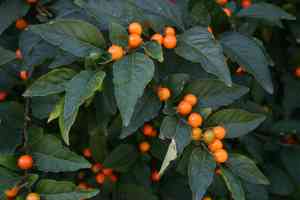
The most suitable time for relocating jerusalem cherry is from mid-spring to early summer or mid-autumn to late autumn, as these intervals facilitate prime development. Select a site featuring soil that drains effectively and receives partial sun exposure. Be sure to manage jerusalem cherry delicately, given that successful transplantation is crucial.
Essential Preparations Before Relocating Jerusalem Cherry
Optimal Period for Relocating Jerusalem Cherry
For jerusalem cherry, the best time for relocation falls between the warmer days of mid-spring to early summer and the cooler, inviting months of mid-fall to late fall. This timeframe provides ideal conditions for root establishment and growth, promoting jerusalem cherry's overall health. Moving it during this period also helps the plant reach its full decorative potential in its thriving seasons. Remember, precise timing is vital for pre-transplant care of jerusalem cherry.
Recommended Spacing Between Jerusalem Cherry Plants
For jerusalem cherry, it's advisable to position your relocated plants 12-24 inches (30-60 cm) apart. This spacing ensures adequate room for growth and prevents competition for vital resources.
Ideal Soil Mixture for Jerusalem Cherry Relocation
To ensure jerusalem cherry thrives, select a well-draining soil rich in organic material. Incorporate a balanced slow-release fertilizer during planting to supply essential nutrients.
Choosing a New Location for Your Jerusalem Cherry
When relocating jerusalem cherry, choose a spot that receives full sun to partial shade. This allows your plants to enjoy ample sunlight while still having some protection on intensely hot days.
Equipment Required for Jerusalem Cherry Relocation
Gardening Gloves
These are crucial for safeguarding your hands from sharp objects and potential irritants in the soil.
Shovel or Spade
This tool is used for digging holes in the ground and carefully extracting the jerusalem cherry plant from its original spot, without harming the root ball.
Garden Trowel
This is useful for delicate tasks, such as removing jerusalem cherry from containers or seedling trays.
Watering Can
For hydrating the plant both before and after the relocation process.
Pruning Shears
These are used to trim off any damaged or diseased parts of the jerusalem cherry plant prior to relocation.
Wheelbarrow
Helpful for moving the plant and soil.
Method for Extracting Jerusalem Cherry from the Soil
Method for Extracting Jerusalem Cherry from the Soil
From Ground: Start by thoroughly watering the jerusalem cherry plant to moisten the soil, which facilitates removal. Dig a wide circle around the plant with your spade, taking extreme care not to damage the root ball. Gradually work the spade underneath the root ball, and gently lift the plant from its position.From Pot: Water the plant and carefully turn the pot on its side, hold the jerusalem cherry plant at its base and gently ease it out. If the plant seems stuck, tap the sides of the pot to loosen the soil and roots.From Seedling Tray: First, water the tray, then carefully hold the jerusalem cherry at its base and gently lift it out, avoiding any damage to the delicate roots.
Step-by-Step Guide for Relocating Jerusalem Cherry
Preparing the Hole
Use your shovel or spade to dig a hole in the ground that is twice the size of the jerusalem cherry plant's root ball. The hole should be deep enough so that the top of the root ball is level with or slightly below the ground surface.
Positioning the Plant
Carefully place the jerusalem cherry plant in the hole, ensuring it stands upright.
Backfilling
Gently refill the hole with garden soil, making sure there are no air pockets.
Watering
Thoroughly water the soil around the plant using your watering can. This will help the soil settle around the plant's roots.
Post-Relocation Care
Monitor the jerusalem cherry plant for a few weeks. If the plant shows signs of stress, provide additional water and care.
Post-Relocation Care for Jerusalem Cherry
Immediate Care
Immediately after relocation, water the jerusalem cherry plant thoroughly. This helps to minimize transplant shock.
Ongoing Care
Inspect the plant daily for the first week, then every other day for the subsequent few weeks. Continue to water it regularly, but be careful not to overwater. Excessive water can lead to root rot.
Pruning
Use your pruning shears to remove any diseased or dead parts of the plant. This promotes new growth.
Protection
Shield the plant from harsh conditions until it is well-established. A cover can offer protection from intense sun or wind.
Observation
Regularly check for signs of pests or diseases to ensure your jerusalem cherry plant remains healthy.
Addressing Common Issues During Jerusalem Cherry Relocation.
When is the optimal time to relocate jerusalem cherry?
Relocate jerusalem cherry during mid-spring to early summer or mid-autumn to late autumn. This provides mild weather and ample growth time for jerusalem cherry.
How should I prepare the soil for jerusalem cherry relocation?
Ensure the soil is well-drained and enriched with organic matter. The pH level should ideally be neutral. Prepare the soil a few weeks before relocation.
What is the recommended spacing between each jerusalem cherry when relocating?
Ideally, leave between 12 inches (30 cm) and 24 inches (60 cm) of space between each plant. This ensures ample room for jerusalem cherry to grow and thrive.
Should I water jerusalem cherry immediately after relocation?
Yes, water them immediately after relocation. This can reduce shock and help them establish in the new environment. But remember not to overwater!
What temperature is suitable for relocating jerusalem cherry?
Relocate jerusalem cherry in a mild temperature environment. Avoid extreme cold or hot temperatures as this can cause stress and harm to the plant.
Can I relocate jerusalem cherry if it has ripe fruit?
While possible, it's generally best to relocate jerusalem cherry when it's not bearing fruit. The fruit can cause unnecessary strain during the relocation process.
How deep should the pot be for jerusalem cherry?
The pot or planting hole should be twice the size of jerusalem cherry's root ball. This provides ample space for the roots to spread and establish.
If my jerusalem cherry wilts after relocation, what should I do?
If jerusalem cherry wilts, it may be experiencing transplant shock. Keep it well-watered but not waterlogged. If wilting persists, check for issues like disease or pest infestations.
How to address yellow leaves on jerusalem cherry after relocation?
Yellow leaves may indicate over-watering, under-watering, or insufficient sunlight. Determine the cause first and adjust accordingly. Remove the yellow leaves to conserve the plant's energy.
Do I need to fertilize jerusalem cherry after relocation?
Yes, but wait at least 2-4 weeks post-relocation before applying a balanced, slow-release fertilizer. Fertilizing too soon can stress jerusalem cherry while it's still establishing.



