How to Transplant Silverrod?
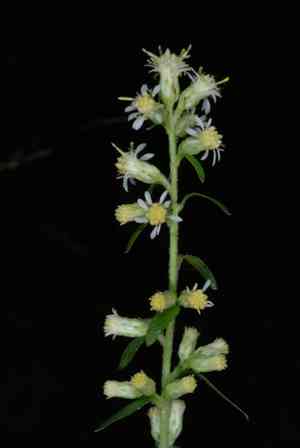
The ideal period for relocating silverrod is in the pleasant stretch of mid-to-late spring, which allows for superior root development prior to summer. Select a bright spot featuring soil that drains effectively. Careful handling and generous watering after the move will foster successful adaptation.
What Preparations are Needed Before Transplanting Silverrod?
What is the Ideal Time for Transplanting Silverrod?
Relocating silverrod during the pleasant conditions of mid to late spring is perfect! This period provides silverrod with the necessary impetus, as the soil has awakened from winter's dormancy and is ready to nourish new roots. It's an excellent window for silverrod to establish itself prior to the summer heat. Furthermore, this timing allows silverrod to align with spring's natural growth surge, leading to a strong, flourishing presence in your garden! Performing this now ensures a head start on development, guaranteeing a summer filled with growth and vitality for silverrod. Trust the seasonal rhythmâyour silverrod will thrive!
How Much Space Should You Leave Between Silverrod Plants?
When relocating silverrod, allow approximately 1-2 feet (30-60 cm) of space around each plant. This provides ample room for each plant to develop and spread without competition. It's like giving them their own small plot to enjoy!
What is the Best Soil Mix for Silverrod Transplanting?
Your silverrod will flourish in well-draining soil, enriched with organic matter such as compost. Apply a slow-release, granular fertilizer at the base of the plant. This will supply a consistent source of nutrients for continuous development.
Where Should You Relocate Your Silverrod?
Select a location in your garden where silverrod can receive full to partial sun. This means the spot should get at least 6 hours of sunlight daily. A position that receives morning sun might be optimal, as silverrod may appreciate some afternoon shade.
What Equipments Should You Prepare Before Transplantation Silverrod?
Trowel
Useful for excavating small holes or channels, particularly effective for removing plants from containers and trays.
Gardening Gloves
To safeguard your hands while handling soil and plants. Gloves also help limit the introduction of external pathogens to the plant.
Gardening Spade
It's extremely beneficial when deeper digging is required, such as when extracting a plant from the ground.
Watering Can
To hydrate the silverrod plant before and after relocation.
Wheelbarrow
When working with larger silverrod plants, a wheelbarrow will be useful for transporting the plant from one spot to another.
How Do You Remove Silverrod from the Soil?
How Do You Remove Silverrod from the Soil?
From Ground: Begin by lightly moistening the silverrod plant to soften the surrounding soil. Next, using a gardening spade, dig a wide circle around the plant's base to ensure no roots are harmed during removal from the ground. Once the soil around the plant is loosened, carefully lift the plant and its root ball from the ground, taking care not to damage the plant or roots.From a Pot: Using a trowel, gently work between the plant and the pot, aiming to keep as much of the soil and root structure intact. Slowly tilt the pot while holding the base of the silverrod plant. If the plant doesn't slide out easily, lightly tap the pot's edge on the ground to loosen the soil and roots on the sides.From a Seedling Tray: Lightly water the seedlings. Use a spoon or small trowel to scoop out the entire seedling plug, being careful not to damage the delicate roots. Hold the base of the silverrod seedling while removing it from the tray, to minimize any harm to the plant.
Step-by-Step Guide for Transplanting Silverrod
Preparation
First, prepare your new planting site. The hole should be sufficiently deep and wide to comfortably accommodate the silverrod plant's root system.
Placement
Gently position the silverrod plant into the hole, being careful not to harm the roots. The top of the roots should be just below ground level.
Soil Backfill
Fill the remaining portion of the hole with the previously excavated soil, gently firming the soil around the base of the silverrod plant. Avoid applying excessive pressure, which could compact the soil and hinder root growth.
Watering
Immediately after transplanting, thoroughly water the silverrod plant to help the soil settle around the roots.
How Do You Care For Silverrod After Transplanting?
Regular Care
Depending on the weather and soil conditions, water the silverrod plant consistently. Newly transplanted silverrod plants will require more frequent watering than established ones.
Inspection
Monitor for indications of transplant shock, such as wilting, yellowing, or dropped leaves. If any of these signs appear, adjust care as needed; this might involve moving the plant to a different location or altering your watering schedule.
Growth Support
Consider providing stakes for your silverrod plant to support its development. This will help the plant grow upright and prevent it from falling over due to its own weight.
Troubleshooting Common Issues with Silverrod Transplantation.
When's the best time to transplant silverrod?
The optimal period to relocate silverrod is during the middle to later stages of its growth cycle, typically referred to as 'S2-S3'.
What is the optimal spacing for silverrod during transplanting?
For silverrod, you should space each plant 1-2 feet (30-60 cm) apart. This allows ample room for growth without overcrowding.
Does silverrod require specific soil for transplanting?
Silverrod is not particular! As long as it's transplanted into fertile and well-drained soil, this perennial will flourish.
What depth should I dig when transplanting silverrod?
For successful relocation of silverrod, the hole should be deep enough to accommodate the entire root ball, generally around 8-10 inches (20-25 cm).
How much watering does silverrod need after transplanting?
After relocating silverrod, you'll want to water it generously right away, and then maintain a moderate watering routine thereafter.
Do I need to prune silverrod after transplanting?
A light trim after relocation encourages new growth. Just ensure you don't remove more than 1/3 of the plant.
Should I add fertilizer while transplanting silverrod?
While silverrod doesn't strictly require fertilizer at the time of relocation, adding some can indeed provide your plant with a nutrient boost to jumpstart its growth.
Should I stake silverrod after transplanting?
Silverrod typically stands upright on its own, but if it appears droopy after relocation, you might consider giving it temporary support with a stake.
Are there any specific transplantation signs of stress or damage in silverrod?
If noticing silverrod's leaves wilting or turning yellow shortly after relocation, these could be signs of transplantation shock. Keep a close watch on it.
What if silverrod doesn't show growth after transplanting?
Patience is crucial. If silverrod doesn't show new growth within a few weeks post-relocation, consider adjusting water or sunlight exposure, but avoid any drastic actions.



