How to Transplant Gray Goldenrod?
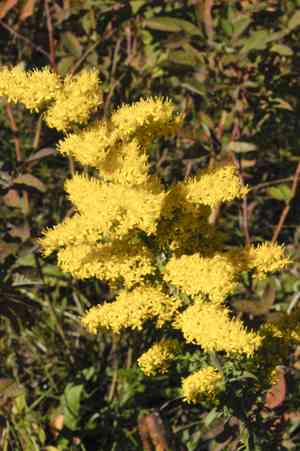
Relocate gray Goldenrod during the heart of the cultivation periodâfollowing the final freezes, once the ground has warmed. Select brightly lit locations featuring soil that drains effectively. To achieve favorable results, confirm root development prior to the intense warmth of mid-summer.
What Preparations are Needed Before Transplanting Gray Goldenrod?
What is the Ideal Time for Transplanting Gray Goldenrod?
The perfect time to move gray Goldenrod is from the refreshing warmth of late spring into the thriving beginning of summer. This period utilizes the mild temperatures and increasing daylight, providing gray Goldenrod an optimal balance of cooler nights and warm days for root development without the strain of midsummer heat. Relocating gray Goldenrod during this phase allows them to settle into their new spot with minimal shock, promoting strong growth and ensuring a smooth transition to their permanent home in your garden.
How Much Space Should You Leave Between Gray Goldenrod Plants?
When getting ready to give gray Goldenrod a new home, plan for small areas about 12-18 inches (30-46 cm) apart. This will give them ample room to thrive without feeling cramped!
What is the Best Soil Mix for Gray Goldenrod Transplanting?
For gray Goldenrod, consider creating a comfortable bed with soil that drains well. Add a balanced starter fertilizer, such as a 10-10-10 blend, to give them a gentle boost. Remember, they prefer soil that's just right, not overly rich!
Where Should You Relocate Your Gray Goldenrod?
Find a sunny location in your garden where gray Goldenrod can absorb at least 6 hours of sunlight daily. They adore the sun and will reward you with beautiful blooms if they receive plenty of light!
What Equipments Should You Prepare Before Transplantation Gray Goldenrod?
Gardening Gloves
To safeguard your hands while handling soil and gray Goldenrod.
Spade or Shovel
To aid in digging and lifting gray Goldenrod without harming its root system.
Watering Can or Hose
For moistening the soil before and after the transplanting process.
Wheelbarrow or Garden Cart
To transport gray Goldenrod and soil.
Garden Fork
To loosen soil around gray Goldenrod and to mix amendments into the new planting site.
Pruning Shears
To trim any damaged or excessively long roots or stems.
Mulch
To help retain moisture in the soil after transplanting gray Goldenrod.
Measuring Tape
To ensure correct spacing between transplanted specimens.
How Do You Remove Gray Goldenrod from the Soil?
How Do You Remove Gray Goldenrod from the Soil?
From Ground: Water gray Goldenrod thoroughly the day before transplanting to ensure the soil is damp and roots are hydrated. Dig a wide circle around gray Goldenrod, being careful not to harm the roots, then gently lift the root ball with a shovel or spade.From Pot: Water gray Goldenrod in its container to facilitate removal. Tilt the pot sideways and gently tap or press on the sides to loosen the root ball. Carefully slide the plant out, supporting the root ball with your hand.From Seedling Tray: If gray Goldenrod is in a seedling tray, moisten the soil and use a spoon or small tool to lift the seedling by the root ball without disturbing nearby plants.
Step-by-Step Guide for Transplanting Gray Goldenrod
Preparation
Thoroughly water gray Goldenrod's root ball before moving it to reduce transplant shock. Have the new planting hole pre-dug to minimize the time gray Goldenrod's roots are exposed to air.
Digging New Hole
Dig a hole twice as wide and the same depth as the root ball of gray Goldenrod. Loosen the soil at the bottom of the hole with a garden fork.
Placing the Plant
Place gray Goldenrod in the center of the new hole at the same depth it was growing previously. Position the plant in the desired direction.
Filling the Hole
Backfill the hole with native soil around gray Goldenrod, gently firming the soil to remove large air pockets without over-compacting.
Watering
Water gray Goldenrod deeply after planting. Ensure the water penetrates the soil and reaches the plant's root zone.
Mulching
Apply a layer of mulch around gray Goldenrod, leaving some space around the stem to prevent rot or pest issues.
Inspection
Check gray Goldenrod's stability in the ground by lightly tugging the plant. It should feel securely anchored, not loose or wobbly.
How Do You Care For Gray Goldenrod After Transplanting?
Settling In
Allow gray Goldenrod to acclimate to its new location without disturbance. Monitor the plantâs stability.
Watering
Maintain a consistent watering schedule to ensure the soil around gray Goldenrod remains steadily moist during the establishment period.
Mulch Maintenance
Check the mulch regularly to ensure it stays in place, and add more if needed to retain soil moisture.
Observation
Observe gray Goldenrod for signs of transplant shock, such as wilting or yellowing leaves, and address them promptly by adjusting care.
Careful Maintenance
Avoid heavy pruning of gray Goldenrod after transplanting unless removing dead or damaged branches. Allow the plant to focus energy on root development.
Troubleshooting Common Issues with Gray Goldenrod Transplantation.
What's the best time to transplant gray Goldenrod?
Choose the period when spring transitions into summer, ensuring gray Goldenrod's root establishment before winter.
How far apart should I space gray Goldenrod when transplanting?
Space gray Goldenrod with a generous gap of 12-18 inches (30-45 cm) between each to encourage healthy growth.
How deep should the hole be for transplanting gray Goldenrod?
Dig a hole as deep as the root ball and twice as wide to give the roots a good start.
What should I do if gray Goldenrod wilts after transplanting?
Ensure adequate watering without overdoing it; gray Goldenrod tends to recover with consistent moisture.
Why is gray Goldenrod not thriving after transplantation?
Check the transplant site for proper sunlight, soil conditions, and avoid waterlogged areas.
Can gray Goldenrod be transplanted in full bloom?
Transplant when gray Goldenrod is not in full bloom to avoid stressing the plant during crucial root establishment.
How can I tell if gray Goldenrod is adequately watered after transplanting?
Soil should be moist but not soggy. Check by feeling the soil 2 inches (5 cm) below the surface.
How to protect gray Goldenrod after transplantation?
Mulch around gray Goldenrod, avoiding direct contact with the stem, to retain moisture and regulate soil temperature.
What soil conditions are best for transplanting gray Goldenrod?
Well-draining soil rich in organic matter is ideal. Amend with compost if necessary before transplanting.
How should I handle root-bound gray Goldenrod during transplanting?
Gently tease out the roots or make vertical cuts to encourage them to spread out in the new location.



