How to Transplant Showy goldenrod?
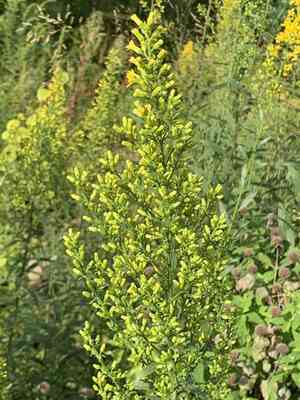
The optimal period for relocating Solidago speciosa is from late spring to early summer, as these conditions foster robust development. Select a location that receives ample sunlight to partial shade and possesses soil with good drainage. During the transplantation of Solidago speciosa, confirm that the root system is properly settled without being excessively covered.
What Preparations are Needed Before Transplanting Showy Goldenrod?
What is the Ideal Time for Transplanting Showy Goldenrod?
The perfect time to move showy goldenrod is during its active growth phase, typically from late spring through early summer. Relocating showy goldenrod at this time allows its roots to settle into warm, damp soil, which is crucial for strong development. Choosing this period gives the plant ample opportunity to adapt before winter's challenges, ensuring a vibrant display in your garden.
How Much Space Should You Leave Between Showy Goldenrod Plants?
When getting ready to transplant showy goldenrod, ensure they have ample room to thrive. Ideally, position them approximately 3 to 6 feet apart (0.91 to 1.83 meters). This spacing provides their roots with sufficient area to spread and grow.
What is the Best Soil Mix for Showy Goldenrod Transplanting?
For showy goldenrod, the soil should be rich in nutrients and drain effectively. Mix a balanced, all-purpose fertilizer into the soil before planting. If dealing with heavy clay or sandy soils, consider adding compost to enhance fertility and structure.
Where Should You Relocate Your Showy Goldenrod?
Showy goldenrod thrives in sunlight, so select a location where it receives full sun for at least 6 hours daily. If you have a partially shaded spot, don't worry – showy goldenrod can tolerate some shade, but it truly flourishes with abundant sunlight.
What Equipments Should You Prepare Before Transplantation Showy Goldenrod?
Gardening Gloves
To safeguard your hands while handling soil and plants.
Shovel or Spade
For excavating and moving the root ball.
Garden Fork
To loosen the soil surrounding the plant prior to removal.
Watering Can or Hose
For hydrating showy goldenrod before and after its relocation.
Mulch
To aid in moisture retention and temperature regulation of the soil after transplant.
Pruning Shears
To trim any damaged or excess growth if necessary.
How Do You Remove Showy Goldenrod from the Soil?
How Do You Remove Showy Goldenrod from the Soil?
From Ground: Start by thoroughly watering showy goldenrod to make the soil easier to manage. Use a garden fork to carefully loosen the soil around the plant. Gently dig a wide circle around showy goldenrod with a shovel or spade to extract the root ball with minimal harm. Slide the shovel beneath the root ball and lift it from the ground.From Pot: First, water showy goldenrod well. Turn the pot on its side and gently tap it to dislodge the plant. If the plant doesn't slide out easily, press on the pot's sides to free the root ball. Gently pull the plant by its base if needed to remove it from the pot.From Seedling Tray: Water the tray to ensure the roots are well-hydrated. Use a spoon or a dibber to carefully lift individual showy goldenrod seedlings from their cells, taking care not to harm the delicate roots.
Step-by-Step Guide for Transplanting Showy Goldenrod
Preparation
Thoroughly water showy goldenrod before beginning the transplant process to hydrate its roots and lessen transplant shock.
Removal
Depending on showy goldenrod's original location, follow the specific instructions above to carefully remove the plant, preserving as much of the root system as possible.
Transport
If the new location is distant, place showy goldenrod's root ball on a tarp or in a container for transport to prevent soil loss or root damage.
Digging Hole
At the new site, dig a hole twice as wide and as deep as showy goldenrod's root ball.
Placement
Position showy goldenrod in the center of the hole at the same depth it was previously growing. Avoid burying the stem deeper than its original level.
Backfilling
Fill in the area around the root ball with soil, gently firming it down without excessive compaction, to eliminate air pockets.
Watering In
Thoroughly water showy goldenrod after transplanting to settle the soil and provide moisture for the roots.
Mulching
Apply a layer of mulch around showy goldenrod to help maintain soil moisture and regulate temperature fluctuations.
How Do You Care For Showy Goldenrod After Transplanting?
Initial Watering
Water showy goldenrod consistently to keep the soil uniformly moist without over-saturating it. Reduce watering as showy goldenrod becomes established.
Checking Plant Health
Observe showy goldenrod for indications of stress, such as wilting or yellowing leaves, and adjust care as necessary.
Mulching
Replenish the mulch layer as needed to continue its benefits for moisture retention and temperature control.
Supporting Growth
Stake showy goldenrod if required due to its size or location (e.g., windy areas) to ensure it remains upright as it develops.
Pruning
Trim any damaged or dead stems to encourage vigorous new growth and prevent disease.
Troubleshooting Common Issues with Showy Goldenrod Transplantation.
Why is my showy goldenrod wilting after transplanting?
Wilting showy goldenrod after transplanting might be due to transplant shock. Ensure the soil is adequately moist and temporarily shield it from full sun.
Whenâs the best time to transplant showy goldenrod?
The ideal time for transplanting showy goldenrod is when conditions are warm but mildâtypically late spring to early summer.
How much space does showy goldenrod require between plants?
Aim for a generous spacing of about 3 to 6 feet (approximately 90 cm to 180 cm) to allow showy goldenrod to flourish.
Can showy goldenrod handle transplanting in hotter weather?
Transplanting showy goldenrod in excessively hot conditions is stressful. Opt for cooler, overcast days for optimal results.
Should the soil be fertilized before transplanting showy goldenrod?
Enriching the soil with compost before transplanting can help showy goldenrod establish more effectively.
What should I do if showy goldenrod shows signs of transplant stress?
Provide consistent moisture, shade from intense sun, and avoid disturbing showy goldenrod to aid its recovery.
How deep should I plant showy goldenrod?
Dig a hole as deep as the root ball and twice as wide, positioning showy goldenrod at ground level.
Is mulching beneficial for showy goldenrod post-transplanting?
Yes, a layer of mulch helps retain moisture and regulate soil temperature for showy goldenrod.
Can showy goldenrod be transplanted on a windy day?
Windy conditions can dehydrate showy goldenrod; choose a calm day or provide windbreaks after transplanting.
What should I look for in a healthy showy goldenrod plant for transplanting?
A healthy showy goldenrod exhibits vigorous growth, strong roots, and no indications of disease or pest damage.



