How to Transplant Spiny sowthistle?
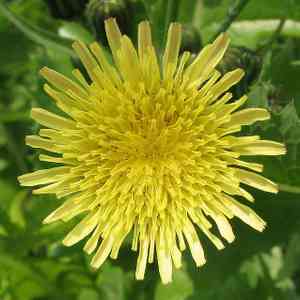
For spiny sowthistle, the prime window for relocation is from late spring through mid-summer, aligning with the plant's active development phase. Select a brightly lit location with soil that drains effectively. If needed, incorporate transplanting advice like preserving the root ball's integrity to encourage successful establishment.
What Preparations are Needed Before Transplanting Spiny Sowthistle?
What is the Ideal Time for Transplanting Spiny Sowthistle?
The best time to move spiny sowthistle is from late spring into early summer. This period offers stable weather with warm days and cool nights, which is gentle on plants and encourages strong root growth. Transplanting spiny sowthistle then allows it to establish itself before the intense summer heat, reducing stress and boosting its growth potential. This timing ensures spiny sowthistle has ample opportunity to develop a robust root system for future seasons. It also aligns with a natural growth surge for many plants, including spiny sowthistle, leveraging their inherent cycles for optimal outcomes. By selecting this prime part of the growing season, you are setting spiny sowthistle up for success!
How Much Space Should You Leave Between Spiny Sowthistle Plants?
When preparing to transplant spiny sowthistle, ensure adequate room for its development. Ideally, we recommend spacing plants approximately 0.5 to 1 foot apart (15-30 cm). This provides spiny sowthistle ample space to flourish without competing for essential resources.
What is the Best Soil Mix for Spiny Sowthistle Transplanting?
For spiny sowthistle, well-draining soil with high nutrient content is ideal. Before transplanting, incorporate compost or organic matter into your soil. This is also an opportune moment to add a slow-release, granular base fertilizer to promote vigorous initial growth.
Where Should You Relocate Your Spiny Sowthistle?
Remember, spiny sowthistle thrives in sunlight! Therefore, it would be beneficial to transplant it to a location where it receives at least 6 hours of direct sunlight daily. Choosing a sunny garden spot can significantly aid your plant in developing sturdily.
What Equipments Should You Prepare Before Transplantation Spiny Sowthistle?
Gardening Gloves
These will shield your hands from the prickly leaves of spiny sowthistle and any abrasive soil components.
A Shovel
This tool is essential for excavating both the original and new planting sites for the spiny sowthistle plant.
A Watering Can or Hose
You will need to hydrate the soil before and after the transplanting process.
Pruning Shears
These will be utilized to trim any excess stems or foliage during the transplanting procedure.
Newspaper or Plastic Wrap
To safeguard the plant's roots from exposure while moving it.
A Wheelbarrow
This can be useful for transporting the spiny sowthistle plant from one spot to another if the plant is mature and large.
How Do You Remove Spiny Sowthistle from the Soil?
How Do You Remove Spiny Sowthistle from the Soil?
From Ground: Start by thoroughly watering the spiny sowthistle plant the day before transplanting. This will moisten the soil, making removal much easier. Using your shovel, begin digging a wide trench around the plant, ensuring the plant's root ball remains intact. Be mindful of the spiny leaves during this process. Carefully pry under the root ball with the shovel, avoiding cutting or damaging the roots. Gently lift the plant and wrap the root ball in wet newspaper or plastic wrap to retain moisture.From Pot: Water the pot soil until it is damp. Invert the pot and tap it gently to release the spiny sowthistle plant and its root ball. Remember to handle the plant carefully to prevent damage. If the plant doesn't come out, you may need to break the pot to protect the roots. Keep the root ball wrapped to prevent it from drying out.From seedling tray: Water the seedlings and allow them to absorb moisture before attempting removal. Then, using a spoon or small implement, gently loosen the soil around each seedling's roots. Carefully lift each spiny sowthistle seedling by its root mass, not the stem, and keep the roots moist.
Step-by-Step Guide for Transplanting Spiny Sowthistle
Digging
Using your shovel, excavate a hole in your garden bed where you intend to place the spiny sowthistle plant. The hole should be twice as wide and as deep as the plant's root ball. Loosen the soil structure at the bottom of the hole by turning it with your shovel.
Preparation
Once ready to plant, remove the root ball wrap from the spiny sowthistle plant. If you observe any damaged or broken roots, use your pruning shears to trim them.
Planting
Position the spiny sowthistle plant into the hole. Ensure it stands upright and the top of the root ball is level with the garden bed's surface.
Back-filling
Fill in around the root ball with soil, gently firming it as you go to eliminate any air pockets.
Watering
After planting, thoroughly water your spiny sowthistle plant until the soil is completely moist.
How Do You Care For Spiny Sowthistle After Transplanting?
Watering
The spiny sowthistle plant thrives in a moist environment, so water regularly but avoid waterlogging, which can lead to root rot.
Mulching
Apply a layer of organic mulch around the plant's base. This will help retain soil moisture and suppress weeds.
Monitoring
Observe your plant for any indications of stress, such as wilting, leaf discoloration, or stunted growth. These symptoms might suggest the plant is not adapting well to the transplant and may require additional care or environmental adjustments.
Pruning
Remove any damaged or dead parts of the plant to encourage healthy development.
Pest Control
Spiny sowthistle plants are generally resistant to pests, but regularly check for common garden pests and treat as necessary.
Troubleshooting Common Issues with Spiny Sowthistle Transplantation.
What's the ideal season to transplant spiny sowthistle to ensure healthy growth?
The optimal period to move spiny sowthistle is between late summer and early fall (S3-S5). This provides the best opportunity for root establishment before winter arrives.
How far apart should I space spiny sowthistle during transplantation?
Allow ample space for each spiny sowthistle, ideally 0.5-1 foot (15-30 cm) apart. This spacing enables the plants to spread and promotes better growth.
Why are my transplanted spiny sowthistle wilting and what can be done?
Wilting may occur due to transplant shock. Water consistently, but avoid over-saturating the plants. Applying a root stimulator can also encourage root development and aid recovery.
How deep should I plant spiny sowthistle?
For spiny sowthistle, dig a hole twice as wide and equal in depth to its root ball. This ensures the roots have sufficient room to establish and grow.
What kind of soil does spiny sowthistle need for successful transplantation?
Spiny sowthistle is not overly particular, but it prefers well-drained soil. Ensure the soil is loose and rich in organic matter for optimal growth after transplanting.
Is it necessary to prune spiny sowthistle before transplanting?
Yes, pruning can be beneficial. Remove dead or weak sections to redirect energy to the roots. However, avoid excessive pruning as it could stress the plant.
What to do if my spiny sowthistle shows no growth post-transplanting?
Patience is crucial. Sometimes, spiny sowthistle prioritizes root development before exhibiting new growth above ground. Also, confirm it receives adequate sunlight, water, and nutrients.
What if transplanted spiny sowthistle starts turning yellow?
Yellowing could indicate over-watering, nutrient deficiency, or disease. Ensure proper watering, enrich the soil with compost, or consider using a plant-friendly fungicide if disease appears to be the issue.
Should I use fertilizer when transplanting spiny sowthistle?
While not essential, slow-release fertilizer can provide spiny sowthistle with a strong start. Be sure to follow package instructions to prevent over-fertilization.
When to water spiny sowthistle after transplantation?
Water spiny sowthistle immediately after transplantation to settle the soil around the roots. Afterward, maintain a regular watering schedule based on the plant's requirements and weather conditions.



