How to Transplant Yellow indiangrass?
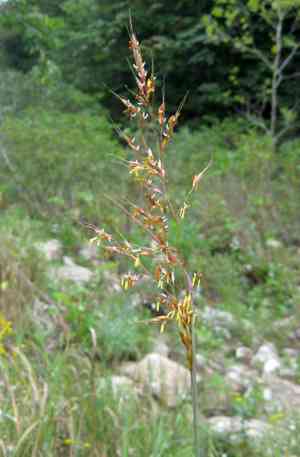
Early spring's arrival, characterized by mild temperatures and sufficient humidity, presents an ideal opportunity for relocating yellow indiangrass. Place yellow indiangrass in a location bathed in sunlight, making sure the soil drains effectively to encourage robust development. Be sure to provide yellow indiangrass with generous roomâa crucial factor for flourishing specimens.
What Preparations are Needed Before Transplanting Yellow Indiangrass?
What is the Ideal Time for Transplanting Yellow Indiangrass?
The best time to move yellow indiangrass is during the spring awakening. This prime period ensures a smooth transition for yellow indiangrass, allowing its roots to establish in the moist, revitalized earth. Choosing this moment of natural renewal offers a significant advantage â it provides yellow indiangrass the entire growing season to strengthen and thrive in its new spot. This thoughtful timing aligns with the perennial's natural cycle, boosting its vigor and guaranteeing a display of vibrant plumes through summer and beyond. Introducing yellow indiangrass to your garden as the cold recedes ensures it benefits from the full glory of the growing months, becoming a seamless part of your green sanctuary.
How Much Space Should You Leave Between Yellow Indiangrass Plants?
Begin by planning your garden layout. Yellow indiangrass requires room to expand, so maintain a distance of 1-2 feet (30-60 cm) between each plant. This will provide ample space for them to achieve their full growth potential. Remember to carefully excavate holes for transplanting.
What is the Best Soil Mix for Yellow Indiangrass Transplanting?
Before relocating yellow indiangrass, prepare the soil by thoroughly mixing it with aged compost or a slow-release organic fertilizer. Yellow indiangrass thrives in rich, well-draining soil. This will supply the necessary nutrients for the plant to grow robust and healthy.
Where Should You Relocate Your Yellow Indiangrass?
Let's discuss the perfect spot for your yellow indiangrass. These plants prefer full sun, so find a location where they will receive 6 to 8 hours of direct sunlight daily. However, they can also tolerate partial shade if conditions become too warm!
What Equipments Should You Prepare Before Transplantation Yellow Indiangrass?
Gardening Gloves
To safeguard your hands from any sharp parts of the plant, ensuring a secure process.
Shovel
To excavate an appropriately sized hole for your yellow indiangrass plant in its new location.
Spade
To carefully extract the plant from its original container or ground without harming the roots.
A Trowel
To ensure the plant is positioned at the correct depth in its new spot.
Watering Can
To hydrate the plant before and after transplantation, which reduces shock and aids in establishment.
Garden Pruner
To trim any damaged or diseased sections of the plant prior to transplanting.
Wheelbarrow
For transportation, especially if moving a larger yellow indiangrass plant from one area of your garden to another.
How Do You Remove Yellow Indiangrass from the Soil?
How Do You Remove Yellow Indiangrass from the Soil?
From Ground: Ensure to thoroughly water the yellow indiangrass plant to moisten the surrounding soil. Carefully dig around the plant with a spade, far enough away to avoid root damage but close enough to secure a substantial root ball. Once done, gently work the spade beneath the root ball and lift the plant from its spot.From Pot: Hydrate the yellow indiangrass plant in its pot before you plan to move it. Tilt the pot sideways and apply gentle pressure to the rim. The plant should slide out along with its roots and surrounding soil. Be careful not to yank the plant as this can harm the roots.From Seedling Tray: Water the yellow indiangrass seedlings sufficiently to ensure the soil is moist. With a trowel, gently ease under the seedling from one side, lifting it carefully while supporting the leaves with your other hand. Be gentle, as young plants can be quite fragile.
Step-by-Step Guide for Transplanting Yellow Indiangrass
Digging the Hole
First, assess the root's size and dig a hole twice as wide and deep in the chosen area. Set aside the excavated soil for refilling.
Placing the Plant
Gently lower the yellow indiangrass plant into the freshly dug hole, ensuring it sits no deeper than it did in its original spot. Center it to allow ample room for growth.
Backfilling the Hole
Gradually refill the hole with the soil previously removed, taking care not to compact it too tightly.
Watering
Thoroughly water the plant after positioning using the watering can. This should help the yellow indiangrass plant adapt to its new surroundings.
Mulching
Apply a layer of mulch around the base of the plant; this helps to retain soil moisture.
How Do You Care For Yellow Indiangrass After Transplanting?
Pruning
In the initial weeks post-transplant, it's common for the yellow indiangrass plant to shed some leaves or experience minor dieback. Use the garden pruner to remove these to prevent any potential disease spread.
Monitoring
Keep a close watch on your yellow indiangrass in the days and weeks following transplantation. Favorable signs include fresh new growth and no wilting. If there are any indications of stress, more frequent watering might be necessary.
Irrigation
After the initial watering, the yellow indiangrass plant should be watered regularly, especially during dry periods. The soil should always feel moist at a finger's depth.
Troubleshooting Common Issues with Yellow Indiangrass Transplantation.
What is the best time of year to transplant yellow indiangrass?
It's ideal to transplant yellow indiangrass during S1 when the weather is mild. This allows the roots to establish before extreme weather conditions.
Where is the best location to plant yellow indiangrass after transplantation?
Yellow indiangrass prefers full sun to partial shade. Plant it in a spot where it will receive at least six hours of sunlight daily.
How far apart should yellow indiangrass plants be spaced?
Ensure to space yellow indiangrass plants about 1-2 feet (30-61 cm) apart. This will provide each plant sufficient room for proper growth and development.
What type of soil is best for yellow indiangrass after transplantation?
Yellow indiangrass thrives in well-drained soil. Incorporate compost into the planting area to enhance soil quality and provide nutrients.
How often should yellow indiangrass be watered after transplanting?
Water yellow indiangrass thoroughly after transplanting, then once every week thereafter, unless there's significant rainfall. Avoid overwatering as it can lead to root rot.
How can I ensure the survival of yellow indiangrass after transplanting during hot months?
To ensure survival during hot months, provide yellow indiangrass with ample water and mulch the soil to conserve moisture and maintain a cooler root environment.
Why are the leaves of my transplanted yellow indiangrass turning brown?
Browning leaves may indicate transplant shock. Ensure that yellow indiangrass is receiving the correct amount of water and sunlight, and avoid excessive fertilization.
Can I transplant yellow indiangrass in containers?
Yes, you can transplant yellow indiangrass in containers. Just ensure the container is large enough for the root system and has adequate drainage.
What to do if my transplanted yellow indiangrass isn't growing well?
If your yellow indiangrass isn't thriving after transplanting, check for proper sunlight exposure, soil quality, and watering routine. Adjust as needed.
How to minimize transplant shock in yellow indiangrass?
To minimize transplant shock, transplant yellow indiangrass in S1, keep the root ball intact, water thoroughly after transplanting, and apply a layer of mulch.



