How to Transplant Spanish broom?
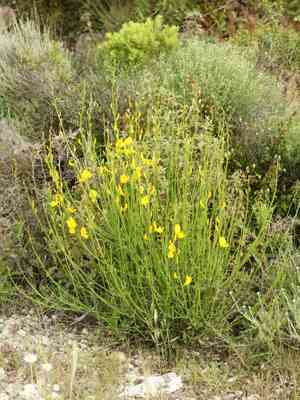
For spanish broom, the ideal period for transplanting is the revitalizing stretch from early to mid-spring, allowing roots to settle prior to the summer heat. Choose locations bathed in sunlight with soil that drains effectively. Careful manipulation is crucial for safeguarding fragile roots.
What Preparations are Needed Before Transplanting Spanish Broom?
What is the Ideal Time for Transplanting Spanish Broom?
The optimal period for relocating spanish broom is when spring begins to warm the soil. This timeframe, typically early to mid-spring, allows spanish broom a full growing season to develop a strong root system before winter. Carefully moving spanish broom during this growth-promoting window ensures it can benefit from spring's moist soil and longer days, setting the stage for healthy growth and blooming. This timely transition supports spanish broom's requirements, maximizing its chances for flourishing in its new location.
How Much Space Should You Leave Between Spanish Broom Plants?
Dear gardener, here's a friendly tip for spanish broom: Position them approximately 6-10 feet (1.8-3 meters) apart. This spacing is perfect for promoting proper development. Costly errors can be avoided by planning your layout effectively!
What is the Best Soil Mix for Spanish Broom Transplanting?
Incorporate this simple method into your gardening routine for spanish broom: Prepare your ground with soil that drains well and enrich it with a foundational fertilizer. Light, sandy, or medium loamy soils will yield the best outcomes.
Where Should You Relocate Your Spanish Broom?
Selecting the perfect spot for spanish broom couldnât be simpler: They love to bask in full sun! A location that receives direct sunlight for most of the day will ensure they thrive.
What Equipments Should You Prepare Before Transplantation Spanish Broom?
Gardening Gloves
These are crucial for protecting your hands from blisters or cuts while handling the plant, soil, and tools.
Shovel or Spade
Used to excavate a hole in the new planting site and lift the spanish broom plant from its original position.
A Wheelbarrow or Bucket
This will be useful for transporting the spanish broom plant from its initial spot to the new transplanting location. Note: The container must have sufficient room for the plant's root ball.
Digging Fork
If moving from the ground, this will assist in loosening the soil around the plant.
Pruning Shears
These are utilized to trim any damaged roots and to shape the spanish broom plant after relocation.
Watering Can
For hydrating the spanish broom plant following transplantation.
How Do You Remove Spanish Broom from the Soil?
How Do You Remove Spanish Broom from the Soil?
From Ground: After watering the spanish broom plant to moisten the soil, use a shovel or digging fork to create a wide trench around the plant, ensuring the root ball remains intact. Gently work the spade beneath the root ball to lift the plant from its spot.From Pot: Water the spanish broom plant, then turn the pot on its side, hold the plant by its base, and try to carefully slide it out. If this fails, you may need to break the pot.From Seedling Tray: Water the spanish broom plant first. Then, use a slender tool, such as a pencil, to lift it from the bottom of the cell or cup where the seedling resides. I advise doing this very carefully!
Step-by-Step Guide for Transplanting Spanish Broom
Dig the Hole
In your chosen location, excavate a hole twice as wide and equally as deep as the spanish broom plant's root ball.
Prepare the Plant
Lightly prune the spanish broom, focusing on any damaged or diseased sections of the plant. Inspect the roots and remove any that are dead or decaying.
Planting
Place the spanish broom plant into the hole, ensuring it stands upright. The top of the root ball should be level with the surrounding soil. Fill the hole halfway with soil and water it. Once the water has drained, fill the rest of the hole with soil.
Watering
Thoroughly water the spanish broom plant immediately after transplanting.
Mulching
Apply mulch around the plant to suppress weeds and retain soil moisture.
How Do You Care For Spanish Broom After Transplanting?
Water Necessity
The spanish broom plant will require consistent watering during the initial weeks post-transplant. Allow the top layer of soil to dry out between waterings to prevent waterlogging.
Pruning
Regularly perform light trims, especially if the spanish broom plant appears sparse or leggy after transplanting. This will encourage denser growth.
Weed Control
Keep an eye out for weeds. Consistent weeding will help your spanish broom plant establish without competing for nutrients.
Pest and Disease Monitoring
Always check for signs of pests or diseases and address them promptly to prevent harm to your spanish broom plant.
Patience
Patience is a virtue, particularly with planting. It may take some time for your spanish broom plant to recover from the stress of transplanting, but with proper care, it will thrive over time.
Troubleshooting Common Issues with Spanish Broom Transplantation.
When is the best season to transplant spanish broom?
The ideal time to move spanish broom is during season S1-S2. This period offers the best conditions for root establishment before the active growing season.
What's the ideal distance between each spanish broom plant when transplanted?
To ensure each plant has adequate room to grow, maintain a spacing of approximately 6-10 feet (about 1.8-3 meters) between each spanish broom.
How deep should I dig the hole for transplanting spanish broom?
When excavating the hole, aim for a depth that is twice the size of the plant's root ball. This ensures the roots have ample space to grow and establish.
Why are my transplanted spanish broom plants wilting?
Wilting can result from insufficient watering after transplant. Newly transplanted spanish broom require plenty of moisture, but not excessive saturation. Regular but gentle watering is key.
Can I transplant spanish broom in shady areas?
Spanish broom prefers sunnier locations to maximize growth and flower production. It can tolerate partial shade, but blooming may be less intense.
Why isn't my transplanted spanish broom flowering?
Spanish broom may fail to bloom due to inadequate light, incorrect watering, or insufficient space. Ensure these conditions are met for healthy blooms.
What soil type is best suited for transplanting spanish broom?
Spanish broom is quite adaptable, but it thrives in well-draining soil. Ideally, incorporate some compost or organic matter into the planting hole to enhance soil fertility.
How to reduce transplant shock in spanish broom?
Transplant shock can be lessened by thoroughly watering the plant a couple of days before transplanting, moving it on a cool, overcast day, and providing good care post-transplant.
Do I need to prune spanish broom after transplanting?
Yes, pruning is advisable after transplanting, as it helps the plant direct its energy towards root establishment. Keep it moderate and avoid excessive trimming.
Is it necessary to feed spanish broom immediately after transplanting?
While spanish broom benefits from nutrient-rich soil, avoid fertilizing right after transplanting as it could potentially harm the stressed roots. Wait a few weeks before starting any feeding regimen.



