How to Transplant White meadowsweet?
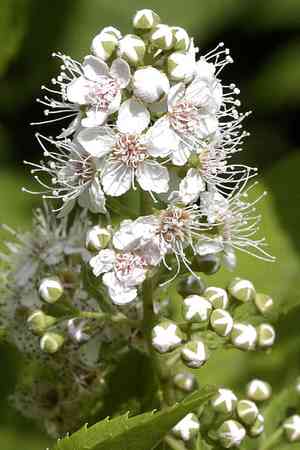
Mid-summer, characterized by its mild, stable climate, presents the ideal period for transplanting white meadowsweet. Choose locations that receive partial sunlight and possess damp earth for best development. Provide ample hydration after the transfer to facilitate white meadowsweet's adjustment.
Essential Preparations Before Relocating White Meadowsweet
Optimal Period for Transplanting White Meadowsweet?
The best time to move white meadowsweet to a new spot is during the calm stretch of early to mid-summer. This timeframe provides white meadowsweet with sufficient warmth and time to establish itself before winter, ensuring root recovery and minimizing transplant shock. Ample sunlight and moderate temperatures during these months create ideal growth conditions. Transplanting white meadowsweet now guarantees it will be well-rooted and strong for upcoming seasons, enhancing your garden's appeal with its elegant presence.
Required Spacing Between White Meadowsweet Plants?
You'll want to space white meadowsweet plants approximately 4-6 feet (1.2-1.8 meters) apart to ensure they have ample room to develop and flourish. Avoid placing them too close together; these plants appreciate their individual space.
Ideal Soil Mixture for White Meadowsweet Transplanting?
Prepare a fertile, damp soil for white meadowsweet. Incorporate a foundational fertilizer rich in organic material for superior outcomes. Remember, white meadowsweet thrives in acidic soil, so adjust the pH to between 5.0 and 7.0.
Where Should Your White Meadowsweet Be Replanted?
When selecting the perfect site, white meadowsweet thrives in a location receiving full or partial sunlight. Therefore, a sunny to semi-shaded area is an excellent choice. Happy transplanting!
Tools Required Before Transplanting White Meadowsweet?
Shovel or Spade
These implements are used to excavate holes for relocation and to carefully extract the plant from its original position. Ensure they are robust and sharp.
Gardening Gloves
To safeguard your hands while working with soil and plants. Gloves also offer improved grip when handling the plant.
Garden Trowel
This smaller implement assists in digging up smaller plants or making precise adjustments to the hole where white meadowsweet will be replanted.
Pruning Shears
These will be utilized to trim any dead or damaged foliage or stems from the plant both before and after its relocation.
Watering Can or Hose
For moistening the soil and hydrating the plant during and after the procedure.
How to Extract White Meadowsweet from the Soil?
How to Extract White Meadowsweet from the Soil?
From Ground: Begin by watering the white meadowsweet plant in its current spot to make the soil easier to manage. Use a shovel or spade to dig a wide trench around the white meadowsweet plant, keeping the root ball intact. Carefully work the spade beneath the root ball and gently lift it from the ground, minimizing root damage.From Pot: The procedure is similar to removing from the ground. After watering the plant, turn the pot sideways and tap it lightly to help dislodge the white meadowsweet plant. You might need to slide a knife or trowel around the pot's edge to help loosen the plant.From Seedling Tray: For seedling trays, moisten the growing medium and gently push the white meadowsweet plant from the tray's bottom to prevent root damage. Never attempt to pull the plant out by its stem.
Step-by-Step Guide for Relocating White Meadowsweet
Preparation
Before removing white meadowsweet from its initial spot, prepare the new planting hole. It should be twice as wide and deep as the plant's root ball. Keep the excavated soil nearby for backfilling around the roots later.
Removal Process
Depending on white meadowsweet's original location (from ground, pot, or seedling tray), use the appropriate method mentioned above to carefully extract the plant.
Inspection
Once removed, examine the white meadowsweet plant for any dead or unhealthy roots. Use pruning shears to remove any damaged sections.
Transplanting
Position the white meadowsweet plant in the new hole. Ensure the top of the root ball is level with the ground surface. Backfill the hole around the root ball, gently firming the soil as you proceed.
Watering
After planting, water thoroughly, ensuring the water reaches the root zone.
Post-Transplant Care for White Meadowsweet
Water
Water the white meadowsweet plant thoroughly after transplanting. Ensure water penetrates to the root zone. White meadowsweet prefers moist but well-drained soil, so avoid waterlogging.
Mulching
Apply a layer of organic mulch around the white meadowsweet plant, keeping it away from the stem, to retain moisture and suppress weeds.
Pruning
Monitor white meadowsweet for any signs of additional stress after relocation. It may occasionally require further trimming.
Supervision
Observe the white meadowsweet plant closely for the next few weeks. If it exhibits any signs of distress, such as wilting or yellowing, it might need more water, less sunlight, or a bit more time. Remember, transplant shock is common but temporary, so allow it to recover.
Addressing Common Issues During White Meadowsweet Transplantation.
What is the optimal time of year for transplanting white meadowsweet?
Late summer to early fall, referred to as Season 4 (S4) to Season 5 (S5), is an ideal period to relocate white meadowsweet.
What is the correct spacing between each white meadowsweet when transplanting?
White meadowsweet should ideally be positioned approximately 4-6 feet (1.2-1.8 meters) apart. This provides ample space for growth and proper air circulation.
Is immediate watering necessary for white meadowsweet after transplanting?
Yes! Watering white meadowsweet immediately after transplanting helps settle the soil and prevents root dehydration.
How deep should I plant white meadowsweet when transplanting?
Transplant white meadowsweet at the same depth as its previous location. Planting too deep or too shallow could harm the roots.
Should I trim white meadowsweet before transplanting?
Trimming is not required unless branches are damaged. If anything, remove unhealthy parts for the plant's overall well-being.
What soil type is best for transplanting white meadowsweet?
White meadowsweet thrives in moist, well-drained soil. Ensure it is rich in organic matter for optimal development.
What should I do if white meadowsweet wilts after transplanting?
Do not be alarmed. It is common for plants to wilt after transplanting due to stress. Keep it watered and allow time for recovery.
Is there a preferred size for white meadowsweet's transplanting hole?
The hole should be twice the width and equal in depth to the plant's root ball. This encourages root expansion.
How to handle white meadowsweet roots during transplantation?
Handle the roots gently to prevent damage. If the roots are tightly packed or circling, loosen them before planting.
Does the orientation of white meadowsweet matter when transplanting?
No specific orientation is necessary for white meadowsweet, but it is preferable to position the plant in the same way it was previously growing.



