How to Transplant Baby's breath spirea?
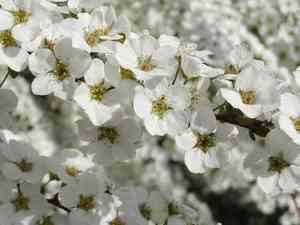
To ensure a thriving relocation of baby's breath spirea, the period from mid-spring through mid-summer is most favorable. These temperate, bright days provide perfect conditions for the roots to take hold. Select a site featuring soil that drains effectively and receives partial to full sunlight. Be sure to adequately hydrate the plant throughout its initial phase of development!
What Preparations are Needed Before Transplanting Baby's Breath Spirea?
What is the Ideal Time for Transplanting Baby's Breath Spirea?
The optimal period for relocating baby's breath spirea spans from mid-spring through mid-summer. This timeframe is advantageous as it allows the plant to establish its root system before intense heat arrives. Proper timing ensures the perennial flourishes beautifully in its new location. Following these steps guarantees success!
How Much Space Should You Leave Between Baby's Breath Spirea Plants?
For baby's breath spirea, proper spacing is crucial for robust growth and aesthetic appeal! Aim for a distance of approximately 3-6 ft (0.9-1.8 m) between plants. This provides ample room for each specimen to expand and thrive, creating a stunning display in your garden.
What is the Best Soil Mix for Baby's Breath Spirea Transplanting?
Soil preparation is vital for baby's breath spirea! Select well-draining soil, such as sandy loam, for optimal outcomes. Incorporate organic matter like compost or aged manure to enrich the soil. Mix in a balanced granular fertilizer with an N-P-K ratio of 10-10-10, using about 2-4 lbs per 100 sq ft (1-2 kg per 10 sq m).
Where Should You Relocate Your Baby's Breath Spirea?
Sunlight is essential for baby's breath spirea! Choose a site that receives full sun or partial shade. They will benefit from approximately 6-8 hours of daily sunlight. Ensuring the correct amount of sun exposure promotes vigorous growth and encourages abundant blooms.
What Equipments Should You Prepare Before Transplantation Baby's Breath Spirea?
Gardening Gloves
To safeguard your hands while handling soil and the baby's breath spirea plant.
Trowel
For digging small, uniform holes suitable for seedlings or young plants.
Shovel
To excavate larger holes required for mature plants.
Garden Spade
Especially useful for lifting and relocating perennials like baby's breath spirea.
Watering Can or Hose
To ensure adequate hydration before, during, and after the transplanting process.
Wheelbarrow
To safely transport the plant from its current spot to the new area.
Garden Fork
To help loosen the soil and gently separate roots without causing excessive damage.
Transplanting Fertilizer
To provide the plant with a nutritional boost immediately following transplantation.
How Do You Remove Baby's Breath Spirea from the Soil?
How Do You Remove Baby's Breath Spirea from the Soil?
From Ground: For a baby's breath spirea situated in the ground, first, use a garden hose to moisten the plant, ensuring the soil is damp but not saturated. Next, using your shovel, carefully dig a circle around the plant, making sure to leave ample space to avoid severing the root system. Use the spade to gently lift the plant, then transfer it to the wheelbarrow for relocation.From Pot: If your baby's breath spirea is in a container, water it thoroughly beforehand. Turn the pot on its side, hold the plant gently by its stems or foliage, and tap the bottom of the pot to dislodge it. Carefully slide the baby's breath spirea out of the pot.From Seedling Tray: If your baby's breath spirea is in a seedling tray, water the tray to keep the soil moist. Gently extract each seedling by its leaves, to prevent harm to the delicate stem and root structure.
Step-by-Step Guide for Transplanting Baby's Breath Spirea
Hole Preparation
Excavate a hole that is twice the width and equal in depth to the root ball of the baby's breath spirea plant. This provides sufficient space for the roots to spread.
Plant Placement
Carefully position the plant in the prepared hole. The top of the root ball should be level with or slightly above the surrounding soil to prevent water accumulation at the base.
Refilling
Backfill the hole with the original soil, gently firming it around the root ball. Ensure there are no air pockets that could cause the roots to dry out.
Watering
Thoroughly irrigate the planting area to settle the soil around the root ball.
Fertilizer application
Apply a mild dose of transplanting fertilizer around the plant's base to encourage root development.
How Do You Care For Baby's Breath Spirea After Transplanting?
Watering
Maintain consistent moisture in the soil around the baby's breath spirea plant without waterlogging it. This is especially important during dry periods, as baby's breath spirea may not yet have developed deep roots.
Pruning
Remove any dead, damaged, or diseased wood to stimulate new growth. Pruning also helps maintain the plant's desired shape and size.
Pest and Disease Management
Regularly inspect the plant for any indications of pests or diseases. Treatments may involve manual removal, biological controls, or specific pest and disease remedies as needed.
Staking
Young or tall plants might require support until they become well-established.
Troubleshooting Common Issues with Baby's Breath Spirea Transplantation.
When is the best time to transplant baby's breath spirea plant?
The optimal period for transplanting baby's breath spirea is from mid-spring to the peak of summer.
What is the ideal spacing for baby's breath spirea during transplanting?
Baby's breath spirea requires ample room to grow and breathe, so ideally, you should space them 3-6 ft (0.9-1.8m) apart.
What should I do if baby's breath spirea's leaves start yellowing after transplanting?
Yellowing may indicate excessive watering or inadequate drainage. Assess soil conditions and adjust irrigation as necessary.
Why is my baby's breath spirea wilting after the transplant?
Wilting could be due to transplant shock. Keep the soil moist, provide partial shade, and avoid overwatering.
Should I prune baby's breath spirea before transplanting?
Indeed, you should trim baby's breath spirea back by approximately one-third prior to transplanting to minimize stress.
What is the best way to prepare the area for baby's breath spirea transplanting?
Prepare a hole twice the diameter of the root ball and backfill it with nutrient-rich soil.
How deep should the hole be to transplant baby's breath spirea?
The hole for baby's breath spirea should be deep enough so that the top of the root ball is level with the ground surface.
Why is my recently transplanted baby's breath spirea losing its leaves?
Leaf shedding could be attributed to transplant shock. Keep it adequately watered but ensure good drainage.
Does baby's breath spirea need any special care right after transplanting?
Yes, baby's breath spirea requires immediate watering after transplanting, and the soil should be kept consistently moist.
Can I transplant baby's breath spirea in a pot?
Certainly, you can. Ensure the container is sufficiently large and has proper drainage to accommodate root growth.



