How to Transplant Common chickweed?
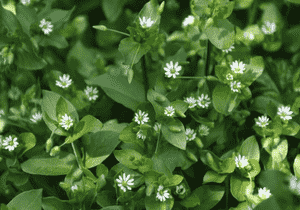
For Stellaria media, the optimal period for relocation is from the middle of spring to the beginning of summer, as this timeframe provides perfect cultivation circumstances. Select a location featuring damp, adequately drained earth. Should it be required, offer protection from direct sunlight to facilitate its adjustment.
What Preparations are Needed Before Transplanting Common Chickweed?
What is the Ideal Time for Transplanting Common Chickweed?
The optimal period for relocating common chickweed spans from mid-spring to early summer. This timeframe provides mild weather, aiding root establishment without extreme temperature stress. Moving common chickweed then maximizes growth potential, utilizing the season's moderate conditions for a smooth transition. With extended daylight and consistent rainfall, your common chickweed has a better chance of flourishing post-transplant, setting the stage for vigorous development.
How Much Space Should You Leave Between Common Chickweed Plants?
When moving common chickweed, ensure ample room for growth! Allow approximately 0.5 foot (about 15 cm) between each plant for best development.
What is the Best Soil Mix for Common Chickweed Transplanting?
For common chickweed, select well-draining soil, rich in organic matter. Before planting, incorporate a balanced fertilizer to establish a strong foundation for your plants.
Where Should You Relocate Your Common Chickweed?
Common chickweed thrives in various light conditions, from full sun to partial shade. Choose a spot where the plant will receive a balanced mix of sun and shade throughout the day.
What Equipments Should You Prepare Before Transplantation Common Chickweed?
Gardening Gloves
To protect your hands while handling soil and plants.
Hand Trowel
A small digging tool useful for creating planting holes.
Gardening Spade
For digging larger holes and assisting in plant removal from its original spot.
Watering Can
To hydrate the plant and soil both before and after relocation.
Pruning Shear
To trim any damaged roots or leaves before or after transplanting.
Organic Mulch
To cover the newly moved plant and retain soil moisture.
Garden Fork
This will help aerate and turn the soil in preparation for transplanting.
How Do You Remove Common Chickweed from the Soil?
How Do You Remove Common Chickweed from the Soil?
From Ground: First, ensure the common chickweed plant is well-watered to moisten the soil. This facilitates easier removal. Then, using a gardening spade, dig a wide circle around the plant, ensuring the root ball remains intact. Carefully work the spade beneath the root ball to lift the plant from its initial location.From Pot: For potted common chickweed, water the plant thoroughly, then gently tip the pot sideways and apply light pressure to the sides to ease the plant out. Handle the root system carefully to minimize damage during removal.From Seedling Tray: To remove the common chickweed plant from a seedling tray, water the tray to soften the compost. Gently hold the top of the seedling and use a dibber or suitable tool to lift the seedling upwards and out. Handle seedlings by their leaves to avoid stem damage.
Step-by-Step Guide for Transplanting Common Chickweed
Preparation
Prepare the new planting site by turning the soil with a garden fork. This loosens the soil, making it easier for roots to grow and spread.
Digging
Using a gardening spade or hand trowel, excavate a hole twice as wide and roughly the same depth as the common chickweed plant's root ball.
Placement
Carefully position your common chickweed plant in the hole, ensuring it sits at the same height relative to ground level as it did previously.
Backfilling
Refill the hole with soil, pressing it down gently to stabilize the plant in its new spot. Keep the top of the root ball visible and avoid covering it with soil to reduce rot risk.
Watering
Thoroughly water your common chickweed plant after transplanting. This helps the plant settle and begin establishing new roots.
How Do You Care For Common Chickweed After Transplanting?
Watering
After relocation, it's crucial to continue watering your common chickweed plant regularly, ensuring the soil stays moist but not waterlogged.
Pruning
Your common chickweed might require some trimming to remove any damaged or dead leaves or stems. This helps the plant direct its energy towards new growth.
Mulching
Apply a layer of organic mulch around the plant to prevent soil moisture evaporation and keep the root system cool.
Monitoring
Observe your common chickweed plant closely, looking for any signs of stress from transplant shock, such as wilting, yellowing, or leaf drop. These indicators may suggest the plant needs more attention or care.
Troubleshooting Common Issues with Common Chickweed Transplantation.
What is the best time of year to transplant common chickweed?
The ideal time to transplant common chickweed is between late spring and early fall, also known as S2-S4. This timing promotes optimal growth.
How much space should I leave between common chickweed plants when transplanting?
After transplanting common chickweed, ensure you leave a space of about 0.5 ft (15.24 cm). This ensures the plants have enough room to flourish.
I transplanted common chickweed but it's showing signs of wilting, what do I do?
If wilting occurs, check if your common chickweed is receiving adequate water, but be careful not to over-water. Also, shield it from excessive sunlight.
Why is my transplanted common chickweed not growing?
Ensure common chickweed's soil is rich in organic matter. Use compost or a slow-release fertilizer. Also, water it properly, but avoid waterlogged conditions.
How do I prepare the ground for transplanting common chickweed?
Cultivate the soil by loosening it about 8-10 inches (20-25 cm) deep. Mix in organic matter or compost for better texture and fertility.
What do I do if common chickweed leaves turn yellow after transplanting?
Yellow leaves could indicate water stress or nutrient deficiency. Ensure common chickweed gets regular yet moderate watering and consider a balanced plant food.
How often should I water a newly transplanted common chickweed?
Common chickweed prefers moist but well-drained soil. Water thoroughly after transplanting, and then keep the soil consistently moist until you see new growth.
How deep should I bury the roots when transplanting common chickweed?
The roots of common chickweed should be covered completely by soil, generally to the depth of the original pot or approximately 2-3 inches (5-7.5 cm).
What size should the planting hole be?
For common chickweed, make the hole twice as wide and the same depth as the root ball. This ensures the roots can spread out.
My transplanted common chickweed looks droopy, what should I do?
Droopiness can be due to transplant shock. Minimize stress by keeping the plant in a cool, shaded area for the first few days.



