How to Transplant Buffalo grass?
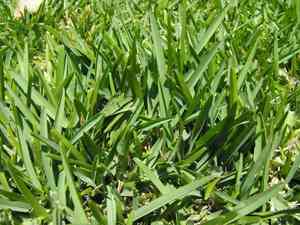
Relocating buffalo grass is most effective from late spring through mid-summer, as elevated temperatures stimulate development. Select a site with full sun or partial shade, guaranteeing adequate water runoff. For improved outcomes, refrain from disrupting the root system during the transfer.
What Preparations are Needed Before Transplanting Buffalo Grass?
What is the Ideal Time for Transplanting Buffalo Grass?
The optimal period for relocating buffalo grass is late spring to mid-summer, as warmth and extended daylight promote robust, healthy development. Moving it during this prime window facilitates quicker establishment, superior root growth, and reduced stress for the buffalo grass. A helpful tip for excellent outcomes!
How Much Space Should You Leave Between Buffalo Grass Plants?
For buffalo grass, it's best to transplant them with a spacing of 1-2 feet (approx. 30-60 cm) apart. This allows enough room for each plant to spread out and grow without competing for resources.
What is the Best Soil Mix for Buffalo Grass Transplanting?
To ensure buffalo grass thrives, prepare the soil by mixing in well-draining, loamy or sandy soil with a generous amount of organic compost. Additionally, add a slow-release granular fertilizer to the base to provide vital nutrients.
Where Should You Relocate Your Buffalo Grass?
Select a garden spot that receives full sun to partial shade for buffalo grass transplantation. Ideally, aim for an area that gets 6-8 hours of sunlight daily to ensure vigorous growth.
What Equipments Should You Prepare Before Transplantation Buffalo Grass?
Gardening Gloves
To safeguard your hands while handling soil and the buffalo grass plant.
Shovel or Spade
For digging the planting hole and lifting the plant from its initial spot.
Garden Trowel
For precise excavation when extracting the plant from a smaller container or seedling tray.
Pruner or Scissors
To trim any damaged roots or foliage prior to transplanting.
Watering Can or Hose
To hydrate the plant before and after its relocation.
Mulch
To help retain moisture and suppress weeds around the plant.
Garden Fork or Rake
To loosen and aerate the soil before planting.
How Do You Remove Buffalo Grass from the Soil?
How Do You Remove Buffalo Grass from the Soil?
- From Ground:First, water the buffalo grass plant to dampen the soil. Then, dig a wide trench around the plant using a shovel or spade, ensuring the plant's root ball remains intact. Carefully work the spade under the root ball to lift the plant from its original location.- From Pot:Water the buffalo grass plant well before attempting to remove it from the pot. Turn the pot on its side and gently tap the rim to release the root ball. If necessary, run a blunt knife or trowel around the inside of the pot to separate the root ball from the pot.- From Seedling Tray:Water the buffalo grass seedlings gently to dampen the soil. Use a garden trowel or your fingers to carefully lift the seedlings from the tray, being careful not to damage the roots.
Step-by-Step Guide for Transplanting Buffalo Grass
Plant Preparation
Trim any damaged roots or foliage on the buffalo grass plant, using a pruner or scissors.
Soil Preparation
Loosen and aerate the soil in the planting area using a garden fork or rake. Remove any large rocks and weeds.
Digging the Hole
Dig a hole with a shovel or spade, roughly twice the width of the root ball and the same depth as the original planting depth.
Placing the Plant
Gently place the buffalo grass plant in the hole, ensuring the root ball is level with the surrounding soil. Spread the roots out gently in the hole if they are wrapped around the root ball.
Backfilling
Carefully backfill the hole with soil, avoiding air pockets. Firm the soil around the base of the plant with your hands.
Watering
Water the buffalo grass plant thoroughly, ensuring the soil settles around the root ball.
Mulching
Apply a 2-3 inch layer of mulch around the plant, leaving a gap between the mulch and the base of the plant to prevent rot.
How Do You Care For Buffalo Grass After Transplanting?
Watering
Keep the soil around the buffalo grass consistently moist, but not soggy, for the first few weeks after transplanting to help establish strong roots. Reduce water frequency as the plant matures.
Pruning
Trim any damaged or dead foliage as needed to maintain the health of the buffalo grass plant.
Fertilizing
Apply a balanced fertilizer to the established buffalo grass plant every 6-8 weeks, following the manufacturer's instructions.
Pest and Disease Management
Monitor the buffalo grass plant for any signs of pests or diseases, and promptly treat as needed using organic or chemical methods as appropriate.
Observation
Regularly observe the buffalo grass plant's growth and overall health, making necessary adjustments to care as needed.
Troubleshooting Common Issues with Buffalo Grass Transplantation.
When is the best time to transplant buffalo grass?
The ideal time for transplanting buffalo grass is late spring to mid-summer when the plant has active growth.
What's the recommended spacing for buffalo grass during transplanting?
For optimal growth, maintain a spacing of 1-2 feet (30-60 cm) between buffalo grass plants during transplanting.
How should I prepare the soil for transplanting buffalo grass?
Ensure the soil is well-drained and loamy, with a pH between 6.0 to 8.0. Incorporate organic matter if needed.
How deep should I plant buffalo grass when transplanting?
Plant buffalo grass at the same depth as it was in the nursery pot, ensuring the roots are not too deep.
How much water does buffalo grass need right after transplanting?
Water buffalo grass thoroughly after transplanting to establish root contact with the soil. Then water it regularly as needed.
What are the light requirements for buffalo grass after transplanting?
Buffalo grass prefers full sun to light shade. Ensure it receives at least 6 to 8 hours of sunlight daily.
Should I fertilize buffalo grass during transplanting?
Apply a balanced, slow-release fertilizer during transplanting to promote healthy growth. Avoid over-fertilization.
How can I ensure buffalo grass survives the transplanting process?
Handle the roots with care, maintain proper spacing, and take appropriate measures to supply water, light, and nutrients.
What are signs that buffalo grass is not transplanting well?
Indications of transplanting issues include wilting or yellow leaves, stunted growth, and lack of new growth.
How can I fix transplanting issues with buffalo grass?
Inspect the plant carefully, identify the problem, and take corrective measures such as adjusting water, fertilization, or light.



