How to Transplant Esparto?
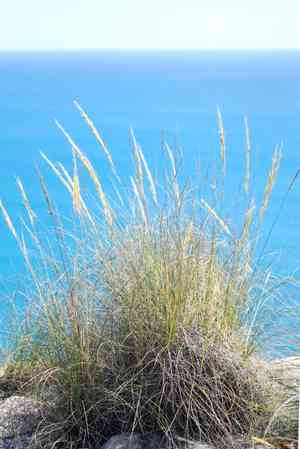
Esparto flourishes when relocated from the start of balmy summer days through the conclusion of this bright period, owing to beneficial temperatures. Select a bright, adequately draining spot. Preserve soil dampness to enhance rooting.
Necessary Preparations Before Moving Esparto
Optimal Period for Relocating Esparto
The best time to move esparto spans from the beginning to the end of summer. This timeframe allows the plant to establish its root system prior to the onset of colder weather. Transplanting during this season ensures esparto benefits from sufficient warm temperatures to adapt and encourages vigorous development. Shifting esparto in summer maximizes survival rates and boosts its long-term thriving potential.
Required Spacing Between Esparto Plants
When relocating esparto, ensure a separation of 18-24 inches (45-60 cm) between plants. This provides ample room for each plant to develop and access sunlight and nutrients, fostering healthy growth.
Ideal Soil Blend for Esparto Relocation
Prepare a soil mixture that drains well, incorporating sand or gravel for esparto. You can also mix in a balanced foundational fertilizer to supply essential nutrients. Aim for a pH level that is slightly alkaline to neutral.
Choosing a New Location for Your Esparto
Select a sunny spot for moving esparto. This plant flourishes in full sunlight, requiring a minimum of 6-8 hours of direct sun daily, which promotes strong growth and resilience.
Equipment to Prepare Before Esparto Transplantation
Gardening Gloves
To safeguard your hands while handling soil and the plant.
Shovel or Spade
For excavating around the original plant and creating a hole at the new site.
Hand Trowel
Useful for more precise digging and managing smaller root masses.
Watering Can or Hose
To hydrate the plant before and after its relocation.
Garden Fork
To gently loosen the soil surrounding the plant if necessary.
Mulch
To aid in retaining soil moisture post-transplantation.
Wheelbarrow
To move the plant, if required, from its initial spot to the new location.
Method for Extracting Esparto from the Ground
Method for Extracting Esparto from the Ground
From Ground: First, moisten the esparto's soil with water. Next, dig a wide trench around the plant using a shovel or spade, ensuring the plant's root ball remains intact. Carefully work the spade beneath the root ball to lift the plant from its original position.From Pot: Begin by watering the esparto to facilitate its removal. Gently tilt the pot onto its side and support the plant near its base. Tap the pot's sides to loosen the soil and carefully slide the plant out. If the plant is root-bound, gently separate the roots.From Seedling Tray: Water the seedlings to dampen the soil. Use a hand trowel or your fingers to gently scoop under the seedling, keeping as much of the root ball intact as possible. Lift the seedling carefully from the tray.
Detailed Steps for Transplanting Esparto
Site Preparation
Ensure the new location is ready by digging a hole that is twice as wide and the same depth as the plant's root ball. This will provide ample room for the roots to spread and grow.
Plant Transfer
Position the esparto in the hole, making sure it is level with the surrounding ground. The top of the root ball should be even with the soil surface. Backfill around the plant with native soil, gently pressing it down to eliminate air pockets.
Watering
Immediately water the newly relocated esparto thoroughly to help settle the soil and minimize transplant shock.
Mulch Application
Apply a layer of mulch around the base of the esparto, keeping it a few inches away from the plant stem to prevent rot. Mulch assists in retaining moisture and regulating soil temperature.
Post-Transplantation Care for Esparto
Watering
Keep the soil around the esparto consistently moist, but not waterlogged, for the initial weeks after transplanting to encourage strong root development.
Monitoring
Observe the esparto for any indications of transplant shock, such as wilting or yellowing foliage, and provide additional care as needed.
Mulching
Maintain a layer of mulch to preserve soil moisture and suppress weeds, which can compete with the newly transplanted esparto for resources.
Support
If the esparto is tall or prone to bending, consider providing stakes or supports to help it remain upright until it is well established.
Resolving Common Issues with Esparto Relocation.
When is the best time to transplant esparto?
The optimal period to relocate esparto is from early summer through late summer.
How far apart should I space esparto plants?
Space esparto plants 18-24 inches (45-60 cm) apart for ideal growth and air circulation.
What soil type is best for esparto?
Esparto thrives in well-draining soils, typically sandy or loamy, to prevent root decay.
How deep should I plant esparto?
Plant esparto at the same depth it was previously growing to avoid stress.
What is the ideal watering schedule after transplanting esparto?
Water esparto thoroughly immediately after transplanting, then keep soil consistently moist but not saturated for the first few weeks.
How can I reduce transplant shock for esparto?
Minimize transplant shock by relocating esparto during cooler parts of the day and keeping roots hydrated.
Should I fertilize esparto immediately after transplanting?
Avoid fertilizing esparto right after transplanting to prevent root burn; wait several weeks.
How much sunlight does esparto need?
Esparto prefers full sun, requiring at least 6 hours of direct sunlight daily.
What should I do if esparto leaves start wilting?
If esparto leaves wilt, check for adequate watering and adjust as necessary, ensuring soil is moist.
Can I transplant esparto during its flowering stage?
Avoid relocating esparto during flowering as it can impede flower production and increase stress.



