How to Transplant Common blue wood-aster?
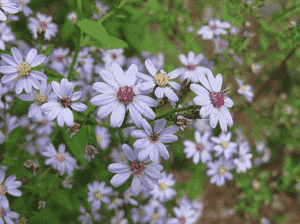
The most favorable period for relocating common blue wood-aster is during the pleasant temperatures of late spring to early summer, allowing roots to firmly anchor prior to colder seasons. Select locations with good drainage and filtered sunlight, and maintain soil dampness post-transplant to foster vigorous development.
Essential Preparations Before Relocating Common Blue Wood-aster
Optimal Timing for Transplanting Common Blue Wood-aster?
The best time to move common blue wood-aster is from the peak of spring into early summer. This period allows the plant to most effectively establish itself in its new spot. By selecting this prime growing season, you provide common blue wood-aster with the advantage of warm soil and extended daylight, promoting robust root development and reducing transplant shock. This strategic timing ensures a smooth transition, giving common blue wood-aster an excellent chance to flourish in its new environment.
Recommended Spacing Between Common Blue Wood-aster Plants?
When moving your common blue wood-aster, remember to provide ample room for growth. Ideally, position them approximately 1-2 feet (30-60 cm) apart. This spacing guarantees they have sufficient area to expand their root systems and thrive.
Ideal Soil Mixture for Common Blue Wood-aster Transplanting?
Regarding soil, common blue wood-aster prefers a loamy type, which drains well yet retains adequate moisture. Before transplanting, enrich the soil with a quality base fertilizer. Organic compost or balanced slow-release granular fertilizers are most effective.
Choosing a New Location for Your Common Blue Wood-aster?
Finally, select an ideal site for your common blue wood-aster. They prefer partial to full sun exposure, so a location receiving about 4-6 hours of daily sunlight is perfect. However, they can also tolerate some shade.
Tools Required Before Transplanting Common Blue Wood-aster?
Gardening Gloves
To safeguard your hands while handling soil and common blue wood-aster.
Trowel
Perfect for excavating small holes and extracting smaller plants from their containers or trays.
Spade or Shovel
Useful for digging larger holes for ground transplants and removing established plants from the earth.
Gardening Pruner
To trim the plant before relocation, if needed.
Watering Can
For hydrating the plant both before and after its move.
Garden Hoe or Dibber
To create a furrow or cavity for the plant.
How to Extract Common Blue Wood-aster from the Soil?
How to Extract Common Blue Wood-aster from the Soil?
From Ground: First, moisten the common blue wood-aster plant to dampen the soil. Then, use a spade or shovel to dig a wide trench around the plant. Ensure you dig deep enough to keep the plant's root ball intact. Once the trench is complete, carefully work your spade beneath the root ball and lift the plant from its original spot.From Pot: Water the common blue wood-aster plant. Invert the pot and gently remove the plant. If the plant doesn't come out easily, lightly tap the pot's edge to loosen the soil and roots.From Seedling Tray: Water the common blue wood-aster plant before removal. Gently grasp the seedling's stem, and push the base of the seedling upwards and out of the tray, being careful not to harm the roots.
Detailed Guide for Transplanting Common Blue Wood-aster
Plant Inspection
Assess the overall health of common blue wood-aster. Remove any dead, dying, or damaged leaves using your gardening pruner. This helps the plant prioritize root development post-transplant.
Hole Preparation
Using a trowel, spade, or garden hoe, depending on the plant's size, dig a hole. The hole should be twice as wide and equal in depth to the plant's root ball.
Plant Placement
Position the common blue wood-aster in the hole. Ensure the top of the root ball is level with the ground surface. Backfill the hole, gently compacting the soil with your hands or the back of your trowel.
Initial Watering
Thoroughly water the common blue wood-aster. This aids in settling the soil, eliminating air pockets around the roots, and reducing transplant shock.
Post-Transplant Care for Common Blue Wood-aster
Mulching
Maintain a 2-3 inch layer of organic mulch around the base of common blue wood-aster, ensuring it doesn't touch the stem. Mulch will help retain moisture and suppress weeds.
Watering
Consistent watering is crucial for the first few weeks after transplanting common blue wood-aster. Monitor the soil's moisture level, and be careful not to overwater. Once established, common blue wood-aster will be relatively drought tolerant.
Pruning
Lightly prune common blue wood-aster during early spring if any unruly growth or dead branches are observed. This will help it maintain an attractive shape and produce new blooms.
Annual Feeding
Apply organic compost or an all-purpose fertilizer once a year to encourage lush, healthy growth of common blue wood-aster.
Resolving Common Issues with Common Blue Wood-aster Transplantation.
When is the best time of year to transplant common blue wood-aster?
The ideal period for relocating common blue wood-aster is during the late growing and early dormant seasons (S3-S4).
What spacing should I use when transplanting common blue wood-aster?
When transplanting common blue wood-aster, maintaining 1-2 feet (30-60 cm) between each plant is vital for healthy development.
Should I water common blue wood-aster immediately after transplanting?
Yes, water common blue wood-aster right after planting. This helps stabilize the plant and promotes root growth.
How deep should I plant common blue wood-aster when transplanting it?
When transplanting common blue wood-aster, ensure it's planted at the same depth it was previously growing, typically around 10 inches (25 cm).
Is it acceptable to leave roots exposed when moving common blue wood-aster?
Avoid exposing the roots of common blue wood-aster as this can lead to dehydration. Always keep roots moist and protected.
Do I need to add fertilizer during the transplant of common blue wood-aster?
It's not immediately essential, but applying a slow-release fertilizer after transplanting can benefit common blue wood-aster's health and growth.
What should I do if common blue wood-aster wilts after transplanting?
If common blue wood-aster wilts after transplant, keep the soil consistently moist but avoid overwatering. The plant should recover over time.
What kind of sunlight exposure does common blue wood-aster need after a transplant?
Common blue wood-aster thrives best in full sun to partial shade. Once transplanted, choose a location that meets this light requirement.
How do I handle common blue wood-aster roots when transplanting?
Handle common blue wood-aster roots gently during transplanting. Spreading out the roots in the new location encourages healthy growth.
What size hole should I dig for transplanting common blue wood-aster?
The hole should be twice as wide and the same depth as its previous location. Typically, about 10 inches (25 cm) deep is suitable for common blue wood-aster.



