How to Transplant Frost aster?
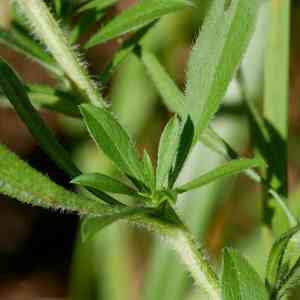
For frost aster, the arrival of spring, as the ground thaws, signifies the ideal time for relocation. Select locations with good drainage and abundant sunlight to ensure vitality. A gentle caution: handle roots carefully to encourage strong development after transplanting.
Essential Preparations Before Relocating Frost Aster
Optimal Timing for Transplanting Frost Aster
The best time to move frost aster is during early to mid-spring. This period offers ideal weather, allowing frost aster roots to establish well before summer heat. Transplanting frost aster then leverages its natural growth cycle, leading to a more robust plant with improved blooming. Relocating frost aster in spring's milder temperatures gives it a head start to flourish and adapt, promoting strong health and splendid development.
Recommended Spacing Between Frost Aster Plants
For new gardeners, ensure each frost aster has ample room to grow. Aim for a comfortable distance of approximately 2-3 feet (60-90 cm) between plants. This prevents competition for resources, allowing them to reach their full potential. Happy planting!
Ideal Soil Mixture for Frost Aster Transplanting
Preparing the correct soil conditions for your frost aster is crucial. Well-draining, loamy soil is most suitable. Incorporate a base fertilizer rich in organic matter to promote strong root development. Mix the fertilizer into the soil a few weeks prior to transplanting for maximum effectiveness.
Choosing the Right Location for Your Frost Aster
Sunlight is vital for your frost aster's growth. Select a garden spot that receives full sun to partial shade. This means the area should get at least 3-6 hours of direct sunlight daily. This will keep your plant actively photosynthesizing and looking its best!
Tools Required Before Transplanting Frost Aster
Gardening Gloves
These will safeguard your hands while handling soil and plants.
Garden Spade
Essential for digging and relocating the frost aster.
Garden Trowel
Used for creating small holes for the frost aster plants.
Watering Can
Needed for hydrating the frost aster during and after its relocation.
Gardening Fork
This tool helps loosen the soil, making it easier to extract the frost aster from its original spot.
Wheelbarrow
Useful for transporting the frost aster from its initial location to its new home.
Method for Extracting Frost Aster from the Soil
Method for Extracting Frost Aster from the Soil
From Ground: First, water around the frost aster plant to moisten the soil, making it easier to work with. Then, carefully use a garden fork to loosen the soil about 15-20cm from the plant's base to avoid root damage. Gradually work the spade deeper, gently loosening the soil without disturbing roots, until the plant is free.From Pot: Start by watering the potted frost aster. Once absorbed, carefully tilt the pot and gently squeeze or tap its sides to release the root ball. If the pot is rigid, use a gardening fork to lightly pry the plant out, being cautious not to harm the roots.From Seedling Tray: Water seedlings thoroughly before removal. Then, gently squeeze the bottom of each cell to release the small root ball. Handle seedlings by their leaves, not stems, to prevent damage.
Step-by-Step Guide for Transplanting Frost Aster
Site Preparation
Dig a hole with the garden spade that is approximately twice as wide and nearly as deep as the frost aster's root ball.
Transplantation
Gently place the frost aster into the prepared hole. Ensure the top of the plant's root ball is level with or slightly below the ground's surface. Backfill the hole with the excavated soil, making sure to gently firm it.
Hydration
After the frost aster has been transplanted, thoroughly water its base with the watering can, ensuring the soil is adequately moistened.
Observation
Over the next few days, closely monitor the frost aster. It's normal for the plant to experience some shock, but it should recover within about a week.
Post-Transplant Care for Frost Aster
Watering
Water your frost aster regularly, especially if you notice wilting leaves. Be careful not to overwater, as frost aster prefers well-drained soil; allow the top inch or so to dry between waterings.
Nourishment
Approximately one month after transplanting, begin feeding your frost aster every four to six weeks during the growing season with a general-purpose fertilizer, following package directions for your plant's size.
Trimming
As frost aster grows, some pruning may be necessary to maintain its shape. Regularly removing dead and damaged stems will keep the plant healthy and looking its best.
Adaptation
Be sure to keep an eye on your frost aster after transplanting. If it appears to be struggling, it might need more sun or shade than its current location provides.
Addressing Common Issues with Frost Aster Transplantation.
When is the optimal time to transplant frost aster?
The best period to transplant frost aster is during S1-S2, when environmental conditions are most favorable for plant growth.
Is immediate watering necessary after transplanting frost aster?
Yes, you should thoroughly water frost aster right after transplanting to settle the soil around its roots and minimize transplant shock.
What is the appropriate spacing between two frost aster plants during transplanting?
Frost aster should ideally be spaced 2-3 feet (about 0.6-0.9 meter) apart to promote proper air circulation and growth.
What should be the depth of the planting hole for transplanting frost aster?
The hole must be deep enough to fully accommodate the root system. A depth matching the current container height should be sufficient.
Why are my transplanted frost aster wilting?
Wilting after transplanting can be due to transplant shock. Ensure adequate watering, but avoid overwatering to prevent root rot. Also, initially limit excessive sunlight exposure.
Do I need to enrich the soil before transplanting frost aster?
Yes, enriching the soil with organic compost can significantly enhance the health and vigor of frost aster. Do this before transplanting for optimal results.
Can you outline the step-by-step process for transplanting frost aster?
Prepare the new site, dig a hole twice as wide as the root ball and of the same depth, carefully remove frost aster from its current spot, place it in the hole, backfill, gently firm the soil, water thoroughly, and maintain diligently.
Should I prune frost aster before or after transplantation?
Pruning should ideally occur after transplantation, once the plant has begun to recover from transplant shock and started producing new leaves.
What type of soil is best suited for frost aster during transplantation?
Frost aster prefers well-draining, rich soil. However, it can adapt to various soil conditions, making transplantation relatively straightforward.
How should I care for frost aster after transplantation?
Ensure consistent watering but avoid waterlogging, provide shade if the sun is too intense, be patient as it recovers and develops new leaves, and use a mild, organic fertilizer if necessary.



