How to Transplant Eastern skunk cabbage?
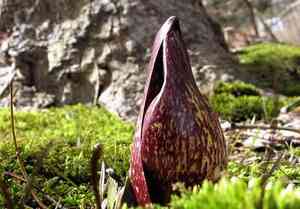
The ideal period for transplanting eastern skunk cabbage is during the invigorating early to mid-spring, which facilitates root development in cooler ground. Select a location that is shaded and damp. Careful manipulation safeguards fragile roots throughout this critical relocation.
What Preparations are Needed Before Transplanting Eastern Skunk Cabbage?
What is the Ideal Time for Transplanting Eastern Skunk Cabbage?
The optimal period for relocating eastern skunk cabbage is during early to mid-spring, as the ground begins to thaw. This timing aligns with eastern skunk cabbage's natural growth cycle, promoting robust root development and a smooth transition to its new site. Utilizing the cool, moist conditions of this season not only reduces stress on eastern skunk cabbage but also benefits from the gentle spring rains, aiding in easy root establishment. The favorable environment of early to mid-spring offers the perfect blend of temperature and moisture, allowing eastern skunk cabbage to flourish in its new home with minimal setbacks.
How Much Space Should You Leave Between Eastern Skunk Cabbage Plants?
Proper spacing for eastern skunk cabbage is vital for adequate development. Ideally, plan to position each eastern skunk cabbage approximately 1-2 feet (30-61 cm) apart. This ensures your plants have ample room for root expansion and beautiful growth.
What is the Best Soil Mix for Eastern Skunk Cabbage Transplanting?
For a thriving eastern skunk cabbage, it's appropriate to prepare your soil with a generous amount of organic matter and compost. A base fertilizer containing slow-release pellets will also enhance the plant's growth. The soil should be rich in humus, moist, and drain effectively.
Where Should You Relocate Your Eastern Skunk Cabbage?
When selecting the right spot for eastern skunk cabbage, choose an area that receives partial shade to full sunlight. These conditions help eastern skunk cabbage to truly thrive and display its vibrant colors. Ensure the location also has abundant moisture.
What Equipments Should You Prepare Before Transplantation Eastern Skunk Cabbage?
Gardening Gloves
To safeguard your hands while handling the roots and soil of the eastern skunk cabbage.
Gardening Shovel
Perfect for excavating soil and carefully lifting the plant without harm.
Trowel
To place the eastern skunk cabbage into its new hole in the ground.
Watering Can
To hydrate the plant in both its original container and its new spot.
Tape Measure
To ensure adequate spacing between plants and confirm the transplant hole is deep enough for the roots.
Organic Mulch
To spread around the base of the eastern skunk cabbage after transplanting to help retain moisture and stabilize soil temperature.
How Do You Remove Eastern Skunk Cabbage from the Soil?
How Do You Remove Eastern Skunk Cabbage from the Soil?
From Ground: Start by lightly watering the eastern skunk cabbage to allow roots to slide out easily. Then, use a gardening shovel to carefully dig around the plant, leaving several inches between the stem and your digging point to avoid root damage. Gradually work the shovel beneath the root ball with smooth, repeated motions until the plant is loose and can be lifted from the soil.From Pot: Water the plant thoroughly about an hour before transplanting. This makes the plant more slippery and easier to remove from its pot. Gently turn the pot on its side, tapping the sides and bottom to loosen the soil and plant, after which the plant should slide out effortlessly. Remember to support the plant's base to prevent breakage.From Seedling Tray: eastern skunk cabbage seedlings, like all young plants, are delicate and susceptible to damage. Lightly water the seedlings to loosen the soil, then use a flat, thin tool like a butter knife to lift the entire seedling cluster. Gently cup your hand around the stem and carefully lift, supporting the root ball.
Step-by-Step Guide for Transplanting Eastern Skunk Cabbage
Preparation
Fill the hole you've dug for the eastern skunk cabbage with water and allow it to drain. This ensures the soil is thoroughly moist and ready for the plant.
Transplanting
Now, carefully position the eastern skunk cabbage in the prepared hole, making sure it sits at the same depth as it was previously. You can use a trowel to adjust the depth if needed.
Backfilling
Begin refilling the hole with the soil you previously excavated, loosely packing it around the plant's root ball. If the soil is too compacted, the roots may struggle to establish properly.
Watering
After the eastern skunk cabbage is in its new home, thoroughly water the surrounding soil and continue to keep it moist so the plant can easily recover from the move.
How Do You Care For Eastern Skunk Cabbage After Transplanting?
Watering
Ensure the soil remains moist, but never excessively saturated. Too much water can also be detrimental to eastern skunk cabbage.
Mulching
Applying a layer of organic mulch around the base of the eastern skunk cabbage can help the soil retain moisture and maintain a more consistent temperature.
Pruning
After a few weeks, any dead leaves or stems should be trimmed to help the eastern skunk cabbage direct its energy into new growth.
Observation
Monitor the eastern skunk cabbage closely for the initial few weeks. If any signs of stress or disease appear, seek guidance from a horticulture specialist or a local garden center.
Troubleshooting Common Issues with Eastern Skunk Cabbage Transplantation.
When is the best time to transplant eastern skunk cabbage?
The optimal period for transplanting eastern skunk cabbage is during S1-S2, when the plant is more likely to successfully root.
How much space should I leave between each eastern skunk cabbage to transplant them?
You should ideally space your eastern skunk cabbage approximately 1-2 feet (30-60 cm) apart. This provides each plant with sufficient room to grow.
How deep should I dig to transplant eastern skunk cabbage?
Dig a hole that is roughly twice the size of the eastern skunk cabbage's root ball. This ensures the roots have space to spread and develop.
What soil type is best to transplant eastern skunk cabbage?
Eastern skunk cabbage thrives in wet, acidic soil. If your garden soil isn't naturally acidic, you can amend it with organic matter to lower its pH level.
What should I do if the eastern skunk cabbage wilts after being transplanted?
Wilting indicates a stressed plant. Water it adequately and keep it in partial shade until it recovers. If wilting persists, consult a plant expert.
Should I add any fertilizer while transplanting eastern skunk cabbage?
When transplanting eastern skunk cabbage, it's beneficial to add a slow-release, low-nitrogen fertilizer. This encourages healthy growth and reduces transplant shock.
The leaves of my transplanted eastern skunk cabbage turned yellow. What should I do?
Yellow leaves can signal overwatering or a nutrient deficiency. Check the soil's moisture level and consider if fertilization is necessary.
Should I water the eastern skunk cabbage immediately after transplanting?
Yes, water your eastern skunk cabbage immediately after transplanting. This provides essential moisture for the roots and helps settle the surrounding soil.
Can eastern skunk cabbage be transplanted in a pot?
Yes, eastern skunk cabbage can be transplanted into a pot. Ensure the container has good drainage and is large enough for the plant to grow.
How to care for eastern skunk cabbage post-transplanting?
After transplanting, keep your eastern skunk cabbage in a partly shaded area and maintain consistent watering. Also, remember to feed your plant with a slow-release fertilizer.



