How to Transplant Malabar plum?
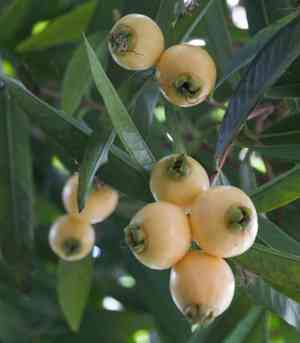
For Malabar plum, late spring represents the ideal period for relocation, capitalizing on vigorous development. Choose a bright location with soil that drains effectively; a delicate approach is crucial, preventing root disruption for successful establishment.
What Preparations are Needed Before Transplanting Malabar Plum?
What is the Ideal Time for Transplanting Malabar Plum?
The best time to move malabar plum is during the vigorous period of mid to late spring. This timing allows malabar plum's roots to establish comfortably before the summer heat. Relocating malabar plum in this window maximizes root development, enabling malabar plum to flourish and begin its growth under optimal conditions. Choose this lively season for your malabar plum to enjoy the start of its successful journey!
How Much Space Should You Leave Between Malabar Plum Plants?
Ensure each malabar plum has ample room to expand! Position them approximately 15-20 feet (4.5-6 meters) apart. This allows their branches to spread and thrive without competing for resources. This step is vital, so dedicate time to planning your garden layout.
What is the Best Soil Mix for Malabar Plum Transplanting?
Malabar plum thrives in well-drained, fertile soil. Before moving, enrich the ground with a generous amount of organic compost. This acts as a natural, foundational fertilizer promoting growth. Aim to keep the pH between 6.5 and 7, indicating a slightly acidic to neutral state.
Where Should You Relocate Your Malabar Plum?
Placement is crucial! Malabar plum loves sunlight. Position it where it can receive at least 6 hours of direct sun daily. However, ensure your chosen spot also offers some shade during the hottest parts of the afternoon. A garden, backyard, or a spacious balcony would be perfect.
What Equipments Should You Prepare Before Transplantation Malabar Plum?
Gardening Shovel
A sharp, sturdy spade will help in excavating the malabar plum plant from its original spot without harming the roots.
Gardening Gloves
To safeguard your hands from sharp implements and thorny plants while working with the soil and vegetation.
Wheelbarrow
This will be utilized to transport the malabar plum plant from its initial location to its new home.
Mulch
Applying mulch around the newly transplanted malabar plum aids in retaining soil moisture.
Watering Can or Garden Hose
To irrigate the malabar plum after its relocation.
How Do You Remove Malabar Plum from the Soil?
How Do You Remove Malabar Plum from the Soil?
From Ground: Ensure you water the malabar plum plant sufficiently to moisten the soil before beginning the removal process. Using a gardening shovel, dig a wide trench around the plant, making sure the root ball stays intact during the operation. Once the trench is dug, carefully lift the root ball and plant from the ground.From Pot: If the malabar plum is in a container, the transplanting process is somewhat simpler. Water the plant to dampen the soil, then invert the pot while holding the plant at its base. Tap the bottom of the pot until the plant slides out with the soil. Always handle the plant with care, avoiding any damage to the root ball.From Seedling Tray: If the malabar plum is to be moved from a seedling tray, water the plant thoroughly. Once the water is absorbed, use a transplanting trowel to dig beneath the seedling, ensuring you dig deep enough to include the roots. Lift the plant gently with the soil and roots undisturbed.
Step-by-Step Guide for Transplanting Malabar Plum
Ground Preparation
Excavate a hole in the designated area that is twice the size of the malabar plum's root ball. This ensures the roots have ample space to spread and establish themselves.
Transfer
Carefully position the malabar plum into the hole, making sure the top of the root ball is level with the ground. Be sure to handle the plant gently to prevent root damage.
Soil Backfill
Refill the hole with the original soil mixed with some organic compost. Press the soil down to secure the plant and eliminate any air pockets.
Watering
Immediately water the malabar plum to help the soil settle around the root ball. Water again thoroughly after about an hour. This should ensure the soil is moist but not waterlogged to prevent root rot.
Mulching
Apply a layer of organic mulch on the soil around the plant. This helps maintain soil moisture and suppresses weeds.
How Do You Care For Malabar Plum After Transplanting?
Watering
Ensure the malabar plum receives regular watering, especially for the initial weeks following the transplant. This will aid in developing strong roots. However, avoid excessive watering to prevent root diseases.
Checking
Monitor for any indications of transplant shock, which may include wilting or yellowing leaves. Reduce sunlight exposure and increase watering if these symptoms appear.
Trimming
Remove any diseased or damaged branches or leaves after the transplant to encourage healthy growth and lessen stress on the plant.
Troubleshooting Common Issues with Malabar Plum Transplantation.
When's the best time to transplant malabar plum?
Late spring to early summer (S2-S3) is the ideal season to transplant malabar plum, as it provides ample time for roots to establish before winter.
What is the ideal plant spacing for malabar plum during transplanting?
The best practice is to maintain a distance of 15-20 feet (4.5-6 meters) apart. This allows malabar plum plenty of room to grow and spread.
Why is my transplanted malabar plum looking wilted?
Wilting could be due to transplant shock. Keep the soil moist, provide indirect sunlight, and shield the plant from harsh weather conditions after transplanting.
What kind of soil is best for transplanting malabar plum?
Malabar plum thrives in well-drained soil. Enhancing the soil with organic matter before transplanting can significantly improve plant growth.
How deep should I dig the hole for malabar plum transplantation?
The prepared hole should be twice as wide and equally deep as the root ball, typically around 10 inches (25cm) for young malabar plum plants.
How often should I water the malabar plum after transplanting?
Initially, water malabar plum daily for the first week, then gradually reduce watering. Adjust your schedule based on local weather and soil conditions.
What care do I need to provide to malabar plum after transplanting?
Keep an eye on malabar plum and protect it from extreme weather, maintain moisture levels, and watch out for pests and diseases.
How should I manage the roots of malabar plum while transplanting?
Gently untangle any circling roots before planting, ensuring they're spread out during transplanting. This helps the roots establish quickly in the new location.
Can I apply fertilizer immediately after transplanting malabar plum?
Wait until new growth appears, then apply a balanced fertilizer lightly around the base to encourage growth. Avoid heavy fertilizing which can harm roots.
Can I transplant malabar plum to a pot?
Yes, you can. Just ensure the pot is large enough (about 10 inches (25cm) in diameter) to accommodate the plant's growth.



