How to Transplant Chinese coffintree?
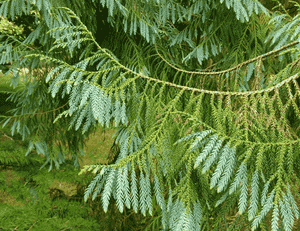
The ideal period for relocating chinese coffintree is when daytime temperatures are elevated and nighttime conditions are temperate, generally spanning from late spring through early summer. Select a location featuring soil that drains effectively and offers partial shade to optimize development. Bear in mind, a delicate approach is crucial when moving chinese coffintree.
Essential Preparations Before Relocating Chinese Coffintree
Optimal Period for Transplanting Chinese Coffintree
The best time to move chinese coffintree is during the gentle shift from late spring to early summer. This timeframe provides warm, stable ground conditions perfect for root development. Relocating chinese coffintree then allows it to benefit from longer days and an active growth season, ensuring strong development. By selecting this window, you give chinese coffintree the advantage it needs, leveraging natural timing for the most vigorous growth. Consider it aligning with the plant's inherent rhythm for a healthy, robust beginning.
Required Spacing Between Chinese Coffintree Plants
Hello, gardening enthusiast! When preparing to plant your beautiful chinese coffintree, envision its mature size! Provide these large specimens ample room to expand by leaving over 60 feet (approximately 18 meters) between each one. This ensures they can grow tall and strong without overcrowding.
Ideal Soil Mixture for Chinese Coffintree Transplanting
For a flourishing chinese coffintree, we need to prepare the soil like a comfortable bed! Aim for soil that drains well and is rich in organic material. Before planting, incorporate some compost or a balanced slow-release fertilizer to give it a nutritious start.
Recommended Location for Your Chinese Coffintree
Sunlight is vital for your chinese coffintree to flourish! Find a spot where it can enjoy full sun to partial shade, protecting its delicate new growth as it adapts to its new sunny environment. Happy planting!
Tools Required Before Transplanting Chinese Coffintree
Gardening Gloves
To safeguard your hands while handling soil and the plant.
Shovel or Spade
For digging and moving earth.
Wheelbarrow
For transporting the excavated plant and soil.
Watering Can or Garden Hose
To hydrate chinese coffintree before and after relocation.
Pruning Shears
To trim any damaged roots or branches.
Gardening Fork
To gently separate roots if they are pot-bound.
Mulch
To help retain moisture and regulate soil temperature after transplant.
Garden Trowel
For minor adjustments to the planting hole.
Method for Extracting Chinese Coffintree from the Soil
Method for Extracting Chinese Coffintree from the Soil?
Ground Removal: First, moisten chinese coffintree to dampen the soil. Next, dig a wide trench around the plant using a shovel or spade, ensuring the plant's root ball remains intact. Carefully work the spade beneath the root ball to lift the plant from its original spot.Pot Removal: Water the soil in the pot to facilitate easier removal of chinese coffintree. Turn the pot sideways, grasp the plant by its base, and tap the bottom to loosen it. Gently pull the plant out, supporting the root ball.Seedling Tray Removal: Gently press from the bottom of the seedling tray cell to push chinese coffintree upwards. Support the seedling by its root ball to prevent damage to the stem and roots.
Detailed Guide for Transplanting Chinese Coffintree
Preparation
Prepare the new planting site for chinese coffintree before removing it from its initial location. The hole should be as deep as the root ball and twice as wide to allow for root expansion.
Root Inspection
Examine chinese coffintree's root ball for health and gently untangle any circling roots to prevent girdling.
Positioning
Place chinese coffintree in the center of the new hole, ensuring it sits at the same depth as it was in its previous spot. Straighten the plant to its natural upright position.
Filling In
Backfill the hole around the root ball with soil, lightly compacting it to eliminate air pockets.
Staking (If Necessary)
If chinese coffintree is tall or in a windy area, provide support with stakes and soft ties to stabilize it.
Watering
Thoroughly water chinese coffintree to settle the soil and hydrate the roots.
Applying Mulch
Spread a layer of mulch around the base of chinese coffintree to conserve moisture and deter weed growth, keeping it clear of the stem.
Observation
Regularly check chinese coffintree for signs of stress or recovery and adjust care as needed.
Post-Transplant Care for Chinese Coffintree
Monitoring
Closely observe chinese coffintree for indications of transplant shock, such as wilting leaves or diminished growth. Proper care during the initial period is vital for recovery.
Stabilizing
Ensure chinese coffintree's support stakes are secure and ties are not too tight, adjusting as needed for plant growth.
Pruning
Trim any dead or damaged branches to direct chinese coffintree's energy towards establishing new roots and healthy growth.
Mulching
Replenish the mulch layer as required to maintain its beneficial effects.
Checking for pests
Be vigilant for pests that might attack chinese coffintree when it's most vulnerable after transplant and take appropriate action.
Patience
Remember that establishing chinese coffintree in its new location may take time, and exercising patience during this process is crucial.
Resolving Common Issues with Chinese Coffintree Transplantation
When is the best time to transplant chinese coffintree?
Relocate chinese coffintree when the weather is mild, ideally from late spring to the beginning of summer.
How much space is needed between chinese coffintree when transplanting?
Allow a generous distance of over 60 feet (18 meters) between chinese coffintree for optimal development.
What soil conditions benefit chinese coffintree after transplanting?
Select well-draining soil with a slightly acidic pH to support chinese coffintree's roots post-transplant.
How do I water chinese coffintree after transplanting?
Maintain consistent soil moisture without waterlogging to encourage chinese coffintree's new roots to establish.
Why are chinese coffintree's leaves browning after transplant?
Leaf browning may signal transplant shock; ensure adequate watering and shield from intense sun.
How deep should I plant chinese coffintree's root ball?
Plant chinese coffintree's root ball at the same depth it was previously growing, no deeper.
Can I use fertilizer immediately after transplanting chinese coffintree?
Wait until chinese coffintree is settled and exhibiting new growth before applying a mild, balanced fertilizer.
How do I handle chinese coffintree's root ball during transplanting?
Gently but firmly support chinese coffintree's root ball, keeping it intact to prevent root damage.
What signs indicate chinese coffintree is thriving post-transplant?
New foliage growth and stable stems are positive indicators that chinese coffintree is successfully established.
Should I prune chinese coffintree after transplanting?
Minimal pruning to remove dead or damaged branches can help chinese coffintree direct energy towards root establishment.



