How to Transplant Taraxacum officinale?
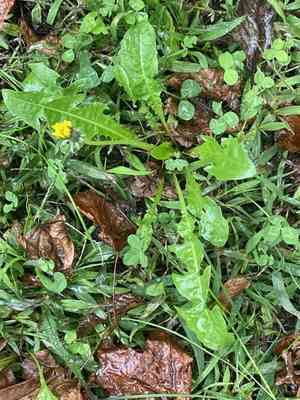
The ideal period for relocating common dandelion is from the agreeable mid-spring to early summer timeframe, since these circumstances foster root development and expansion. Select a site featuring soil that drains effectively and receives abundant sunlight. Carefully loosen the root mass during transplantation to stimulate robust development.
Essential Preparations Before Relocating Common Dandelion
Optimal Period for Relocating Common Dandelion
The perfect window for moving common dandelion is during the pleasant mid-spring to early-summer period. This allows common dandelion to establish deep roots, enjoying a prime growth phase. Try common dandelion, and you'll observe excellent outcomes!
Recommended Spacing Between Common Dandelion Plants
When relocating common dandelion, it's advisable to provide ample room for development. Aim for a separation of 2-10 inches (5-25 cm) between each plant. This promotes robust root growth and ensures proper development.
Ideal Soil Blend for Common Dandelion Relocation
For common dandelion, a well-draining, fertile soil enriched with organic material such as compost or aged manure is suggested. A light application of a balanced, slow-release fertilizer (like 10-10-10) will also give these plants a good start.
Choosing a New Location for Your Common Dandelion
When selecting a site for your common dandelion plants, consider a sunny spot receiving at least 6 hours of direct sunlight daily. They can endure partial shade, but full sun guarantees healthier growth and more abundant blooms.
Tools Required Before Relocating Common Dandelion
Gardening Gloves
To safeguard your hands while handling soil and plants.
Shovel or Spade
For excavating holes and extracting the plant from its initial position.
Trowel
Used for digging smaller holes and refining the relocation site.
Watering Can or Hose
To hydrate the plant post-relocation and ensure adequate soil moisture.
Compost or Organic Matter
To enhance soil quality and supply essential nutrients.
Mulch
To aid in retaining soil moisture and inhibiting weed proliferation.
Method for Extracting Common Dandelion from the Soil
Method for Extracting Common Dandelion from the Soil
- From Ground:First, moisten the common dandelion plant to dampen the soil. Next, excavate a wide trench around the plant using a shovel or spade, ensuring the plant's root ball remains intact. Carefully work the spade beneath the root ball to lift the plant from its original spot.- From Pot:Thoroughly water the common dandelion plant. Invert the pot while supporting the plant's base. Gently tap the pot to dislodge the root ball and carefully slide the plant out.- From Seedling Tray:Water the seedlings to moisten the soil. Use a trowel or your fingers to carefully separate the common dandelion seedlings, ensuring each seedling retains a good amount of roots. Gently lift the seedlings from the tray.
Step-by-Step Guide for Relocating Common Dandelion
Preparation
Prepare the new planting site by digging a hole slightly larger than the common dandelion plant's root ball. Loosen the soil on the sides of the hole, and incorporate compost or organic matter to improve soil quality.
Root Ball Placement
Gently position the common dandelion's root ball into the hole, ensuring the top of the root ball is level with the ground. Spread the roots evenly in the hole, avoiding any circling or tangled roots.
Soil Fill
Carefully backfill the hole with soil, firming it around the base of the common dandelion plant to minimize air pockets. Ensure the plant stands upright and is securely anchored in the ground.
Watering
Thoroughly water the common dandelion plant to help settle the soil and provide necessary moisture. Ensure the plant is saturated but avoid overwatering.
Mulching
Apply a layer of mulch around the base of the common dandelion plant, keeping a few inches away from the stem to prevent fungal diseases. Mulching helps retain soil moisture and prevents weed growth.
Post-Relocation Care for Common Dandelion
Watering
Maintain consistently moist, but not waterlogged, soil around the common dandelion for the initial weeks after relocation to encourage strong root establishment.
Monitoring
Regularly inspect the common dandelion plant for any indications of stress or disease. Address any issues promptly to maintain plant health.
Pruning
Remove any dead or damaged leaves and flowers to stimulate new growth and preserve the plant's overall vitality.
Fertilization
Apply a balanced fertilizer after a few weeks, following package directions, to replenish any nutrients lost during relocation.
Resolving Common Issues with Common Dandelion Relocation.
When is the best time to relocate common dandelion?
The optimal period to relocate common dandelion is from mid-spring to early summer, when temperatures are mild and stable.
What is the recommended spacing for relocating common dandelion?
Provide common dandelion plants with a spacing of 2-10 inches (5-25 cm) apart to ensure they have adequate room to grow.
How deep should I relocate common dandelion?
Relocate common dandelion at the same depth it was previously growing, ensuring the crown is just above the soil surface.
What kind of soil is best for relocating common dandelion?
Common dandelion thrives in well-drained soil, rich in organic matter. It can tolerate various soil types, including clay, loam, and sandy soils.
How much water does common dandelion need after relocating?
Water common dandelion thoroughly immediately after relocation. Continue regular watering, ensuring the soil remains consistently moist without becoming waterlogged.
What kind of sunlight exposure does common dandelion need?
Common dandelion performs best in full to partial sunlight. Ensure the relocation site receives ample sunlight for healthy development.
How can I prevent shock during relocation?
Relocate common dandelion on a cool, overcast day to minimize transplant shock. Water thoroughly and provide temporary shade, if feasible.
What should I do if my relocated common dandelion wilts?
If your common dandelion wilts, ensure it's receiving sufficient water, but not excessive amounts. Temporary wilting is normal; be patient and observe its progress.
How can I avoid root damage when relocating common dandelion?
When relocating, handle common dandelion gently and retain as much of the original soil around the roots as possible to minimize root damage.
When can I expect to see new growth after relocating?
New growth should emerge within a few weeks of relocating common dandelion. Be patient and provide proper care to encourage healthy development.



