How to Transplant Yellow trumpetbush?
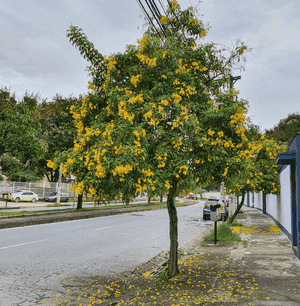
Yellow trumpetbush transplantation flourishes when moved to a new site from the end of spring to the middle of summer, benefiting from the warmer temperatures. Choose a bright area with soil that drains effectively. Ensure the root mass remains undisturbed for an easier adjustment!
What Preparations are Needed Before Transplanting Yellow Trumpetbush?
What is the Ideal Time for Transplanting Yellow Trumpetbush?
The optimal period for relocating your yellow trumpetbush is when late spring's warmth transitions into early summer's vitality. Moving the plant during this season leverages moderate temperatures and increasing daylight, which together stimulate root growth and aid its adjustment to the new site. This timing allows the plant to establish itself before the intense summer heat arrives, providing a mix of gentle rainfall and mild weather that creates an ideal settling-in phase. By transplanting your yellow trumpetbush now, you enhance its prospects for vigorous development and a burst of ornamental beauty in future seasons. Mild, yet not excessive sunlight and the perfect amount of natural moisture foster a welcoming environment for your yellow trumpetbush's fresh start.
How Much Space Should You Leave Between Yellow Trumpetbush Plants?
When moving yellow trumpetbush, ensure ample room for development. Aim for a separation of approximately 4-6 feet (1.2-1.8 meters) between plants. This provides each specimen sufficient area to expand and thrive.
What is the Best Soil Mix for Yellow Trumpetbush Transplanting?
To ensure yellow trumpetbush flourishes, utilize soil that drains effectively. You can enhance garden soil by adding sand or perlite to improve drainage. A slow-release, all-purpose granular fertilizer as a base will supply a strong nutritional foundation.
Where Should You Relocate Your Yellow Trumpetbush?
Remember that yellow trumpetbush thrives in sunlight! Place them in an area that receives full sun exposure for at least 6-8 hours daily. Consider locations near south-facing walls or fences, as these spots typically receive the most warmth.
What Equipments Should You Prepare Before Transplantation Yellow Trumpetbush?
Gardening Gloves
To safeguard your hands from potential scrapes and abrasions while handling soil and plants.
Standard Shovel
To excavate a suitably sized hole for the yellow trumpetbush plant, and for extracting the plant from its original ground location.
Trowel
A smaller digging implement ideal for removing yellow trumpetbush from containers or seedling trays.
Garden Hose/Watering Can
For hydrating the plant before and after relocation.
Pruning Shears
Required for selectively trimming the plant's roots or branches if necessary.
Wheelbarrow (optional)
To transport the yellow trumpetbush from its initial position to its new site.
Organic Matter/Compost (optional)
Can enrich the fertility of the new planting area.
How Do You Remove Yellow Trumpetbush from the Soil?
How Do You Remove Yellow Trumpetbush from the Soil?
From Ground: Start by thoroughly watering the yellow trumpetbush plant the day before its planned relocation. This helps keep the root ball intact during extraction. On the day of removal, dig a trench around the plant with the shovel, being careful to avoid root damage. Gently work the shovel beneath the root ball and lift firmly, detaching the yellow trumpetbush from its original spot. From Pot: Again, it's advisable to water the yellow trumpetbush a day prior to removal. Invert the pot while gently tapping the bottom to release the plant along with its root ball. Be delicate during this process to prevent root injury. From Seedling Tray: The yellow trumpetbush seedlings are ready for transplanting once they have 2-3 leaves each. Water them thoroughly, then carefully remove the seedling with its soil clump by making a hole at the bottom of the tray compartment.
Step-by-Step Guide for Transplanting Yellow Trumpetbush
Hole Preparation
Excavate a hole, ideally with your shovel, that is twice as wide and equal in depth to the yellow trumpetbush's root ball. This provides ample room for the roots to breathe and expand.
Plant Placement
Position the yellow trumpetbush in the hole so that the top of the root ball is level with the ground surface. Avoid burying the stem, as this could lead to decay.
Backfilling
Refill the hole with the remaining soil, gently compacting it around the base of the yellow trumpetbush to ensure stability.
Watering
Water the yellow trumpetbush thoroughly immediately after transplanting, allowing the water to penetrate the soil and settle the plant.
Review
Observe the yellow trumpetbush for several days post-transplant for any indications of transplant shock, such as wilting or yellowing leaves, and consult an expert for appropriate actions if it occurs.
How Do You Care For Yellow Trumpetbush After Transplanting?
Monitoring
Keep a close watch on the yellow trumpetbush for a few weeks following transplantation – this is crucial for ensuring its healthy development.
Watering
While the yellow trumpetbush requires consistent moisture after transplanting, ensure you are not overwatering it. Excessive watering can be as detrimental as insufficient watering.
Pruning
Regular trimming helps the yellow trumpetbush maintain a tidy form; removing dead or damaged branches promotes healthier growth.
Mulching
Applying a layer of organic mulch around the yellow trumpetbush can aid in moisture retention and weed suppression.
Frost Management
If anticipated, cover the yellow trumpetbush with a frost cloth as this plant does not tolerate cold conditions.
Troubleshooting Common Issues with Yellow Trumpetbush Transplantation.
What's the best time of year to transplant yellow trumpetbush?
The recommended season for transplanting yellow trumpetbush is in late summer to early fall or S3-S5.
Does the yellow trumpetbush plant need a specific type of soil for transplantation?
Yellow trumpetbush is highly adaptable and grows well in various soil types, just ensure the soil drains well.
How far apart should I space yellow trumpetbush when transplanting?
A good rule of thumb is to space yellow trumpetbush about 4-6 feet (1.2-1.8 meters) apart. This ensures enough sun exposure and air circulation for healthy growth.
How deep should I plant yellow trumpetbush?
Transplant yellow trumpetbush to the same depth as its original planting container. The crown should be level with or slightly below the surface of the soil.
What happens if I transplant yellow trumpetbush in the wrong season?
Transplanting yellow trumpetbush outside of S3-S5 might stress the plant, causing slower growth and potentially plant death. Always try to transplant in late summer to early fall.
What care is needed after I transplant yellow trumpetbush?
After transplantation, ensure yellow trumpetbush is watered thoroughly and regularly but avoid water-logging. Also, protect younger plants from harsh weather.
Why are the leaves of my transplanted yellow trumpetbush yellowing?
Yellow leaves often indicate water stress. Ensure yellow trumpetbush is adequately watered and the soil is well-draining. Overly wet or dry soils can cause leaf yellowing.
I notice wilting in my newly transplanted yellow trumpetbush, what could be the reason?
Wilting might be due to transplant shock, especially if transplanting was done out of S3-S5. Water the plant thoroughly, provide proper sun exposure, and avoid harsh weather conditions.
Should I trim yellow trumpetbush before or after transplanting it?
Trimming is not necessary before transplanting. However, after transplanting, pruning back about 1/3 of the plant can encourage a more robust root system.
How do I know if my yellow trumpetbush plant is ready for transplanting?
Yellow trumpetbush usually needs transplanting when it begins to outgrow its current space or container. Look for strong root development and ample leaf growth. Transplant preferably in late summer to early fall (S3-S5).



