How to Transplant Rice-paper plant?
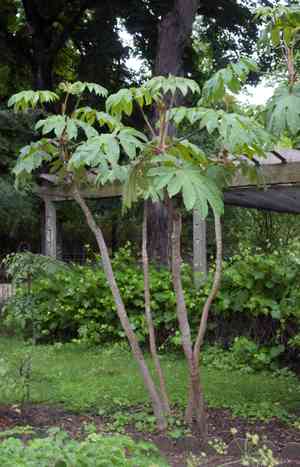
The ideal period for relocating rice-paper plant spans from early spring to its peak flowering phase. This perennial thrives in a location offering partial shade and protection, coupled with soil that drains effectively. Handling it with care minimizes transplant shock during the move.
What Preparations are Needed Before Transplanting Rice-paper Plant?
What is the Ideal Time for Transplanting Rice-paper Plant?
Choose the refreshing hours of morning or evening during the spring months, ideally from early spring's start through late spring's peak. This ensures rice-paper plant roots in a season of mild temperatures and gentle rainfall, promoting strong development. Moving rice-paper plant at this time allows it the full span of spring and summer to settle, benefiting from longer daylight and favorable growing conditions. You'll help rice-paper plant adjust smoothly, avoiding intense summer heat or autumn's cold, thus preparing it for a vibrant display.
How Much Space Should You Leave Between Rice-paper Plant Plants?
Let's find a roomy spot for your rice-paper plant! Position the plants approximately 6-12 feet (about 1.8-3.6 meters) apart. This provides your rice-paper plant ample room to flourish and showcase its beauty without being crowded.
What is the Best Soil Mix for Rice-paper Plant Transplanting?
Your rice-paper plant will thrive in a soil blend rich in organic material. Aim for a loamy, well-draining base. Before planting, incorporate some compost or a balanced slow-release fertilizer to give your rice-paper plant a strong start.
Where Should You Relocate Your Rice-paper Plant?
Select a location for your rice-paper plant where it can receive sunlight! An area with full to partial sun is perfect. This means a spot where they'll get direct light for at least a few hours daily, with some afternoon shade.
What Equipments Should You Prepare Before Transplantation Rice-paper Plant?
Shovel or Garden Spade
For digging around and beneath the plant's root mass.
Gardening Gloves
To safeguard your hands while handling soil and the plant.
Wheelbarrow or Garden Cart
To move the rice-paper plant from its original spot to the new location.
Watering Can or Hose
To hydrate the plant before and after its relocation.
Pruning Shears
To trim any damaged roots or foliage prior to transplanting.
Garden Fork
To loosen the soil surrounding the plant's root area.
Tarp or Burlap
To safeguard the root ball and keep the soil intact during transit.
How Do You Remove Rice-paper Plant from the Soil?
How Do You Remove Rice-paper Plant from the Soil?
From Ground: Water the rice-paper plant to moisten the soil. Use a shovel or garden spade to dig a wide trench around the plant, being careful to preserve the root ball. Gently work the spade under the root ball to lift the plant from the ground.From Pot: Soak the soil in the pot to easily remove the root ball. Tilt the pot sideways and gently tap its sides to help the rice-paper plant slide out without stressing the plant.From Seedling Tray: Water the tray to dampen the soil. Carefully push the seedling from the bottom of the tray or use a planting tool to lift the rice-paper plant without harming its delicate roots.
Step-by-Step Guide for Transplanting Rice-paper Plant
Preparation
Water your rice-paper plant thoroughly the day before the scheduled transplant to ensure it is well-hydrated.
Root Ball
Dig around the root ball of the rice-paper plant, making sure to go wide enough to include most of the roots, and gently lift it out of the ground.
Hole Digging
Excavate a hole at the new site that is twice as wide and the same depth as the root ball to comfortably accommodate it.
Placement
Position the rice-paper plant in the center of the hole, ensuring it stands upright at the same level it was growing previously.
Filling
Backfill the hole with soil, gently firming it down as you go to eliminate any air pockets.
Watering
Water the rice-paper plant generously immediately after transplanting to settle the soil and provide moisture to the roots.
Stabilization
If needed, use plant supports to keep your rice-paper plant upright until it's established.
Mulching
Apply a layer of mulch around the base of the rice-paper plant to help retain moisture and regulate soil temperature.
How Do You Care For Rice-paper Plant After Transplanting?
Monitoring
Observe the rice-paper plant frequently for signs of stress such as wilting or discolored leaves and address them promptly.
Watering
Establish a consistent watering schedule to keep the soil moist and encourage root growth without overwatering.
Supporting
Re-adjust plant stakes and ties if you notice the rice-paper plant leaning, to ensure it grows straight and strong.
Pruning
Remove any dead or damaged foliage to help the rice-paper plant direct its energy into establishing new roots and growth.
Protecting
Shield the rice-paper plant from harsh conditions, such as strong winds or extreme heat, during its initial adjustment period.
Troubleshooting Common Issues with Rice-paper Plant Transplantation.
When is the best time to transplant rice-paper plant?
The ideal period to transplant rice-paper plant is from early to late spring, allowing it to establish before winter.
How far apart should I space rice-paper plant when transplanting?
Ensure to space rice-paper plant approximately 6 to 12 feet (1.8 to 3.6 meters) apart, to give each plant ample room to grow.
What soil conditions favor rice-paper plant after transplanting?
Choose well-draining soil rich in organic matter to encourage healthy growth after transplanting rice-paper plant.
Should I water rice-paper plant immediately after transplanting?
Yes, water rice-paper plant generously right after transplanting to help settle the soil around the roots.
What depth should I plant rice-paper plant during transplanting?
Plant rice-paper plant at the same depth it was in the original pot or location to prevent stem rot.
How much sunlight does rice-paper plant need after transplanting?
Rice-paper plant thrives in full sun to partial shade. Choose a spot that receives ample daylight.
Is it necessary to prune rice-paper plant during transplanting?
Minimal pruning is advised to remove any damaged or diseased parts and encourage new growth.
Can I transplant rice-paper plant during summer or fall?
It's best to avoid summer or fall, as rice-paper plant establishes best when transplanted in cooler spring weather.
How do I handle root shock in rice-paper plant post-transplanting?
Minimize root disturbance during transplanting, and maintain even soil moisture to reduce transplant shock.
What type of fertilizer should I use for rice-paper plant after transplanting?
Use a balanced, slow-release fertilizer to provide essential nutrients without overwhelming the newly transplanted rice-paper plant.



