How to Transplant Field pennycress?
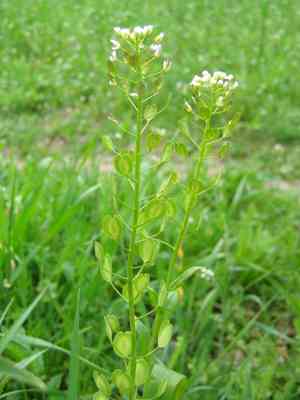
The most favorable period for transplanting field pennycress is the revitalizing phase of early to mid-spring, which guarantees vigorous development thanks to mild temperatures and ample hydration. Select a brightly lit spot with soil that drains effectively to foster thriving growth.
Essential Preparations Before Relocating Field Pennycress
Optimal Timing for Transplanting Field Pennycress?
The best time to move field pennycress is during the initial warmth of post-winter months, typically early to mid-spring. This period provides the cool growing conditions necessary for root establishment, enhancing its chances for robust development. Planting field pennycress during this revitalizing season aligns with its natural growth cycle and maximizes potential yield, truly a well-timed gardening choice!
Recommended Spacing Between Field Pennycress Plants?
When moving field pennycress, aim for approximately 1 foot (about 30 cm) of space between each plant. This ensures they have ample room in your garden to fully mature without competing for nutrients.
Ideal Soil Blend for Field Pennycress Transplantation?
For field pennycress, you'll want rich, well-draining soil. Preparing your soil with an all-purpose fertilizer base can give your transplants a strong start. It will supply all the vital nutrients they require for growth.
Where to Replant Your Field Pennycress?
A sunny location is perfect for field pennycress. These annuals thrive with abundant light throughout the day. Find a spot where they can receive 6 to 8 hours of daily sunlight. This will promote their healthy development.
Equipment Needed Before Transplanting Field Pennycress
Gardening Gloves
To protect your hands from potential harm or irritation while handling the plant and soil.
Shovel or Spade
For digging a hole in the ground to place the field pennycress plant.
Gardening Trowel
Required to gently remove the plant from its original spot without harming its roots.
Watering Can
For moistening the soil and watering after the transplanting is finished, which encourages effective root formation.
Mulch
To cover the transplanted soil area, this helps maintain moisture and temperature in the soil.
Pruning Shears
These will assist in trimming off any damaged roots.
How to Extract Field Pennycress from the Soil?
How to Extract Field Pennycress from the Soil?
From Ground: Before removing field pennycress from the ground, lightly dampen the soil to help keep the root ball intact during extraction. Use a gardening trowel to gently scoop out the plant. Maintain a safe distance from the plant stem to avoid damaging any roots.From Pot: First, water the plant to facilitate removal. Gently invert the pot while holding your hand at the plant's base. The plant will slide out smoothly. Handle the root ball with extreme care throughout the entire process.From Seedling Tray: Water the tray beforehand to loosen the soil and make extraction easier. Press the base of each cell to assist in removing each field pennycress seedling. Handle them by their leaves to minimize root damage.
Step-by-Step Guide for Transplanting Field Pennycress
Preparation
Plan to transplant your field pennycress in the early morning or late evening, as cooler temperatures reduce transplant shock. Prepare the new site by digging a hole roughly twice the size of the plant's root ball. Ensure the ground is free of stones and other debris.
Transplanting
Place field pennycress gently into the hole. Ensure the plant's root ball is level with the soil surface, neither too deep nor too high. Backfill the hole with the original soil, carefully pressing down to eliminate any air pockets.
Watering
Thoroughly water the area around the plant to adequately moisten the soil.
Mulching
Cover the soil with a layer of mulch to conserve moisture and aid root growth. Ensure the mulch does not directly touch the plant's stem as this could cause rot.
Post-Transplant Care for Field Pennycress
Consistent Hydration
Water the field pennycress regularly but be careful not to overwater. Ensure the soil remains slightly moist, not saturated.
Pruning
Lightly prune the field pennycress after transplanting to encourage new leaf and branch growth. However, avoid heavy pruning until the plant appears settled in its new environment.
Monitoring
Closely observe the field pennycress for a few weeks after transplanting. Look for signs of transplant shock, such as wilting, yellowing, or leaf drop. These symptoms often indicate field pennycress is not adapting well to its new location, and you may need to reassess its conditions.
Addressing Common Issues with Field Pennycress Transplantation.
When is the best time to transplant field pennycress?
The optimal period to transplant field pennycress is seasons S1-S2. This allows the plant sufficient time to establish roots before periods of vigorous growth.
What is the ideal spacing when transplanting field pennycress?
For field pennycress, ideal spacing is about 1 foot (30 cm) apart. This provides adequate room for growth and prevents excessive competition for resources.
Why is my transplanted field pennycress wilting?
Wilting after transplanting field pennycress may occur due to transplant shock. Ensure to water the plant sufficiently immediately after planting to reduce the shock.
Why are the leaves of my transplanted field pennycress turning yellow?
Yellowing leaves might suggest waterlogged soil. Field pennycress prefer well-draining soil. Try reducing watering and observe if the condition improves.
Can field pennycress be moved after they've started to grow?
Moving field pennycress after they've begun growing can be risky as it may cause transplant shock. It's best to transplant field pennycress during S1-S2 seasons.
How much sun does field pennycress need after transplanting?
Field pennycress requires full sun exposure for healthy growth. Ensure the new location receives at least 6 hours of sunlight daily.
What's the best soil for transplanting field pennycress?
Field pennycress thrives in various soils, but prefers well-draining soil. Amend the soil with organic matter to boost fertility and drainage.
Should I fertilize field pennycress immediately after transplanting?
Avoid fertilizing field pennycress right after transplanting. Fertilizers can cause root burn. Wait a couple of weeks until the plant is established, then fertilize sparingly.
How often should I water field pennycress after transplanting?
After transplanting, water field pennycress deeply and thoroughly. Afterward, only water when the top inch (2.5 cm) of soil is dry to prevent over-watering.
Why aren't my transplanted field pennycress flowering?
Field pennycress's failure to flower could be due to insufficient sunlight, water, or nutrients, or even incorrect transplantation time. Verify the plant's care requirements are being met.



