How to Transplant Creeping thyme?
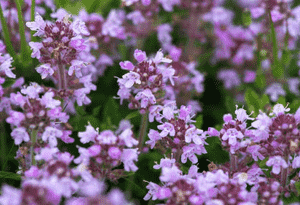
The ideal period for relocating creeping thyme is from the invigorating early to late spring. Select a bright spot with soil that drains effectively to encourage peak development. During the transplanting process, carefully separate the root system, guaranteeing a flourishing and abundant creeping thyme patch.
What Preparations are Needed Before Transplanting Creeping Thyme?
What is the Ideal Time for Transplanting Creeping Thyme?
The best period for relocating creeping thyme is from early spring to late spring. This timing allows creeping thyme to develop strong root systems prior to the summer heat. Transplanting during this season improves survival rates and promotes denser growth.
How Much Space Should You Leave Between Creeping Thyme Plants?
For proper spacing of creeping thyme, ensure approximately 8-12 inches (20-30 cm) between each plant. This provides ample room for them to expand and grow without becoming overcrowded.
What is the Best Soil Mix for Creeping Thyme Transplanting?
When preparing the soil for creeping thyme, select well-draining soil with a sandy or loamy consistency. Additionally, incorporate some slow-release granular fertilizer to supply essential nutrients for your plants' development and growth.
Where Should You Relocate Your Creeping Thyme?
Choose a location that receives full sunlight for at least 6 hours daily to transplant your creeping thyme. This will ensure your plants get sufficient sun to flourish, creating an attractive and aromatic ground cover.
What Equipments Should You Prepare Before Transplantation Creeping Thyme?
Gardening gloves
To safeguard your hands while handling the soil and creeping thyme plant.
Garden Shovel or a Hand Trowel
To excavate creeping thyme without harming its roots.
Watering Can or Hose
To hydrate creeping thyme before and after its relocation.
Pruning Shears
To trim creeping thyme if necessary.
Wheelbarrow
To move the creeping thyme plant from one spot to another, especially if it's large.
Gardening Fork
To aerate the soil in the new planting site.
How Do You Remove Creeping Thyme from the Soil?
How Do You Remove Creeping Thyme from the Soil?
From the Ground: To extract creeping thyme from its original ground location, moisten the plant to dampen the soil. Then, dig a wide trench around the plant using a garden shovel. Ensure you dig deep enough to keep the creeping thyme root ball intact. Gently work the shovel beneath the root ball to lift the plant.From Pot: If creeping thyme is in a container, tilt the pot sideways while supporting the plant at its base with your other hand. Carefully pull the plant out by shaking the pot. If the plant is stuck, you might need to tap the pot's rim on a firm surface. Always hold the plant by its root ball to avoid damaging the stems.From Seedling Tray: If creeping thyme is in a seedling tray, it's best to transplant it when the plant is still young. Carefully remove the plant by applying gentle pressure to the underside of the tray while holding the plant at its base.
Step-by-Step Guide for Transplanting Creeping Thyme
Loosening Ground
Use a garden fork to loosen the soil where your creeping thyme will be replanted.
Digging Hole
Excavate a hole that is twice the width and the same depth as the creeping thyme's root ball.
Planting
Position creeping thyme in the hole. The top of the root ball should be level with or slightly above the ground's surface.
Backfilling
Refill the hole with soil, covering the creeping thyme root ball. Gently firm the soil with your hands to eliminate any air pockets.
Watering
Thoroughly water the creeping thyme after transplanting. This allows the soil to settle around the roots.
How Do You Care For Creeping Thyme After Transplanting?
Watering
Water creeping thyme regularly, but be careful not to overwater. The soil should be damp but not waterlogged. Always check the soil before irrigating.
Pruning
Trim creeping thyme periodically to encourage a dense and compact growth habit. Use your pruning shears carefully for this task.
Protection
New transplants are always vulnerable to pests and diseases; monitor creeping thyme for any indications of pest infestations or stress. If detected early, these issues are often simple to manage.
Troubleshooting Common Issues with Creeping Thyme Transplantation.
When is the best time to transplant creeping thyme?
The ideal transplanting period for creeping thyme is from early to late spring. Relocating it at this time offers the best chance for successful establishment.
What is the ideal space for transplanting creeping thyme?
When transplanting creeping thyme, ensure a spacing of approximately 7.9 to 11.8 inches (20-30 cm) between plants. This promotes healthy growth and spreading.
Why are my newly transplanted creeping thyme wilting?
Creeping thyme may wilt after transplanting due to various factors such as excessive watering, insufficient sunlight, or transplant shock. Allow them time to acclimate.
How deep should I dig the hole for transplanting creeping thyme?
The hole for the creeping thyme should be deep enough to accommodate the entire root ball. Typically, twice the size of the root ball is perfect.
Should I prune creeping thyme before transplanting?
Yes, it's advisable to lightly trim creeping thyme before transplanting. This helps the plant direct its energy towards root development.
Why is my transplanted creeping thyme not spreading?
Creeping thyme might not spread if it's overwatered or receives inadequate sunlight. Ensure it gets full sun exposure and water only when the soil feels dry.
What should I do if my transplanted creeping thyme begins to yellow?
Yellowing could indicate overwatering, a lack of nutrients, or poor soil drainage. Examine these factors, adjust watering, and apply a suitable organic fertilizer.
How can I protect my transplanted creeping thyme from pests?
You can utilize organic pest control methods or encourage beneficial insects and birds. Regularly inspect the creeping thyme for signs of pests or disease.
Can I transplant creeping thyme in a pot?
Absolutely, creeping thyme can thrive in containers. Ensure the pot provides adequate drainage and space for the plant to spread.
What type of soil does creeping thyme prefer for a successful transplant?
Creeping thyme prefers well-draining soil; sandy or loamy soil types are optimal. If the soil is too heavy, try incorporating some compost to enhance its structure.



