How to Transplant Small-leaved lime?
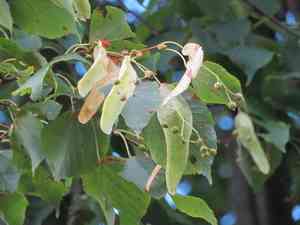
For effective relocation of small-leaved lime, the most opportune period is the invigorating early spring, as vegetation resumes. This enduring plant flourishes in a site offering partial shade and good drainage. Bear in mind, a delicate approach is crucial during transplantation to prevent upsetting the root system.
What Preparations are Needed Before Transplanting Small-leaved Lime?
What is the Ideal Time for Transplanting Small-leaved Lime?
The optimal period to move your small-leaved lime is at the start of spring. This timing allows small-leaved lime sufficient opportunity to fully settle before the intense summer heat arrives. Relocating during this window ensures small-leaved lime has the best chance to adapt to its new environment, leveraging the mild spring temperatures and moist soil.
How Much Space Should You Leave Between Small-leaved Lime Plants?
When relocating your small-leaved lime, ensure a spacing of 25-35 feet (7.6-10.7 meters) between them. This provides ample room for growth and development without competition for nutrients and water.
What is the Best Soil Mix for Small-leaved Lime Transplanting?
For small-leaved lime, utilize well-draining soil, ideally loamy or sandy loam. Incorporate a balanced, slow-release fertilizer (e.g., 10-10-10) to prepare the soil and supply adequate nutrients for your plant's establishment.
Where Should You Relocate Your Small-leaved Lime?
Select a site for your small-leaved lime that receives full sun to partial shade. Ideally, it should get 4-6 hours of direct sunlight daily to ensure robust growth and development.
What Equipments Should You Prepare Before Transplantation Small-leaved Lime?
Gardening Gloves
To safeguard your hands during the small-leaved lime transplant process.
Shovel or Spade
To loosen the soil around the plant and excavate the hole in its new location.
Pruning Shears
To trim any damaged or diseased root or stem sections from small-leaved lime.
Watering Can or Hose
To adequately hydrate the small-leaved lime before and after its relocation.
Wheelbarrow, Bucket or Tarp
For moving small-leaved lime from its original spot to the new site.
Compost
To enrich the soil in the new location, fostering healthier, stronger growth of the small-leaved lime.
Mulch
To help the ground retain moisture and suppress weeds after transplanting small-leaved lime.
How Do You Remove Small-leaved Lime from the Soil?
How Do You Remove Small-leaved Lime from the Soil?
From Ground: First, use a watering can or hose to dampen the soil surrounding small-leaved lime. This will facilitate digging and reduce plant stress. Use a shovel or spade to dig a wide circle around the plant, being careful to keep the root ball intact. Gently work the spade beneath to lift the plant and its roots, taking care not to cause damage.From Pot: Water the small-leaved lime before removal. Then, invert the pot and hold the plant by its base. Gently tap the sides and bottom of the pot to loosen the plant, allowing it to slide out. Avoid pulling the plant, as this can harm the roots.From Seedling Tray: Water the seedlings thoroughly before transplanting. With your fingers, gently press the bottom of the cell or pot beneath the seedling. This should push the seedling out. Always handle seedlings by their leaves, not their stems, to prevent damage.
Step-by-Step Guide for Transplanting Small-leaved Lime
Prepare the New Location
Dig a hole that is twice as wide and approximately the same depth as small-leaved lime's root ball. Mix some compost with the excavated soil for later backfilling.
Prepare the Plant
Inspect small-leaved lime for any damaged or diseased roots or stems. Use pruning shears to remove these sections.
Planting
Place small-leaved lime into the hole, ensuring the top of the root ball is level with the surrounding soil. Backfill the hole halfway with the soil-compost mix, gently firming around the plant's base. Water thoroughly. Fill in the remaining hole and water again.
Mulching
Spread a layer of mulch around small-leaved lime, leaving a gap around the stem to prevent rotting. This will help the soil retain moisture and deter weeds.
How Do You Care For Small-leaved Lime After Transplanting?
Watering
Keep the soil consistently moist by watering regularly for the initial few weeks after transplanting small-leaved lime. Gradually reduce watering to align with the plant's natural rainfall requirements.
Pruning
Occasional pruning of small-leaved lime will encourage denser growth and also remove any dead wood.
Monitoring
Watch for signs of stress or disease, such as wilting leaves or stunted growth. Consult a local nursery or extension service if you observe anything unusual.
Troubleshooting Common Issues with Small-leaved Lime Transplantation.
When is the optimal time to transplant small-leaved lime?
The ideal time to transplant small-leaved lime is in early spring when the plant is dormant but poised for a new growth cycle.
What is the preferable spacing between small-leaved lime when transplanting?
Ideally, small-leaved lime should be transplanted 25-35 feet (7.6-10.6 meters) apart to encourage healthy growth and ensure ample sunlight and airflow.
Why do my transplanted small-leaved lime trees appear distressed?
Transplant shock is often the cause. Keep the soil consistently moist, apply mulch to conserve moisture, and shield the plants from temperature extremes.
How deep should the hole be for transplanting small-leaved lime?
Dig a hole twice the diameter and the same depth as the root ball. A shallow, wide hole promotes horizontal root growth, which is crucial for small-leaved lime.
Is it beneficial to use compost or fertilizer when transplanting small-leaved lime?
Absolutely! Adding a balanced compost provides beneficial nutrients. However, initially avoid high nitrogen fertilizers as they can impede root establishment.
Why are the leaves of my transplanted small-leaved lime yellowing?
Yellowing leaves could indicate overwatering, a common error. Ensure the soil is moist but not waterlogged. Adjust watering based on weather conditions.
Should I prune small-leaved lime after transplanting?
Post-transplant pruning is not typically necessary for small-leaved lime. Focus on proper watering and nutrition. Prune only dead or diseased branches, if needed, to maintain overall plant health.
The growth of my transplanted small-leaved lime seems to have stalled. What should I do?
Transplanted small-leaved lime often experience a slower initial growth rate. Continue with proper care. If the issue persists, consider soil testing to ensure it meets small-leaved lime's requirements.
Do I need to stake my transplanted small-leaved lime?
Staking is usually not required for small-leaved lime unless it's particularly windy. Proper planting depth and loose backfill can provide sufficient stability for the young tree.
Even after careful watering, my small-leaved lime tree appears to be wilting. Why?
Wilting may signal root stress, often due to heat or insufficient watering. Ensure your small-leaved lime is in a location with partial to full sun and adjust your watering practices.



