How to Transplant Chinese mahogany?
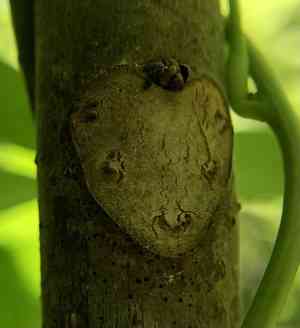
The most favorable period for relocating Chinese mahogany is in the initial stages of spring, extending into mid-spring, as this allows for superior root establishment. Select locations that offer sunlight to partial shade and possess soil with good drainage. Following transplantation, provide regular irrigation to foster vigorous development.
What Preparations are Needed Before Transplanting Chinese Mahogany?
What is the Ideal Time for Transplanting Chinese Mahogany?
The optimal period to relocate chinese mahogany is from early to mid-spring. This season provides mild temperatures and sufficient rainfall, encouraging root establishment and reducing plant stress. Selecting this ideal window gives chinese mahogany the best start in its new spot, ensuring vigorous growth and overall vitality.
How Much Space Should You Leave Between Chinese Mahogany Plants?
Dear budding gardener, ensure your chinese mahogany has ample room to thrive. Plan for a spacing of approximately 6-10 feet (1.8-3 meters) between each plant. This will encourage healthy development and guarantee your chinese mahogany has sufficient space.
What is the Best Soil Mix for Chinese Mahogany Transplanting?
For your chinese mahogany, well-drained soil rich in organic matter will provide the most favorable growing conditions. A bit of foresight is beneficial – mix a foundational fertilizer, such as compost or aged manure, into the soil a week prior to transplanting.
Where Should You Relocate Your Chinese Mahogany?
The chinese mahogany would thrive in a location with abundant sunlight, so consider a sun-drenched area of your garden for its new home. However, ensure it also receives partial shade during the hottest hours to prevent potential heat damage.
What Equipments Should You Prepare Before Transplantation Chinese Mahogany?
Gardening Gloves
To safeguard your hands while working with the soil and chinese mahogany.
Shovel or Spade
To excavate the planting hole and extract the plant from its initial position.
Pruning Shears
To trim any broken or unnecessary branches from chinese mahogany before planting.
Watering Can/Hose
For hydrating the plant both before and after relocation.
Wheelbarrow
To move chinese mahogany from its original spot to the new site.
Organic Mulch
To insulate the relocated plant, retain moisture, deter weeds, and enrich the soil as it breaks down.
Stake and Ties
If chinese mahogany is tall, staking might be necessary to offer support and prevent it from leaning or toppling.
How Do You Remove Chinese Mahogany from the Soil?
How Do You Remove Chinese Mahogany from the Soil?
From Ground: First, water the chinese mahogany plant to moisten the soil. Then, using a shovel or spade, dig a wide trench around the plant, ensuring the root ball remains intact. Carefully work the shovel beneath the root ball to lift the plant from its spot.From Pot: Water the chinese mahogany to dampen its soil. Then, gently tilt the pot and tap its sides to loosen the root ball. Extract the plant from the pot by holding its base. If the plant resists removal, you might need to cut or break the pot.From Seedling Tray: Water the tray uniformly. After the water has been absorbed, gently push the bottom of each cell to release the seedlings. Handle the seedlings carefully by their leaves to avoid damage to the stem or roots.
Step-by-Step Guide for Transplanting Chinese Mahogany
Preparation
Clear and prepare the area where chinese mahogany will be planted. Remove any rocks, debris, or competing vegetation.
Digging the Hole
Excavate a hole that is twice as wide and slightly shallower than the root ball of chinese mahogany.
Preparing the Plant
If the root ball is encased in burlap or another material, remove it. Inspect the roots and, if necessary, trim any that are broken or damaged.
Planting
Position chinese mahogany in the hole, ensuring it is at the same depth it was originally growing. Adjust the soil beneath if required.
Backfilling
Refill the hole with the excavated soil, gently firming it around the root ball.
Watering
Water chinese mahogany thoroughly after planting, making sure the soil is moist but not waterlogged.
Mulching
Apply a layer of organic mulch around chinese mahogany, but not directly touching the trunk, to help conserve moisture and suppress weeds.
Staking (If Needed)
If chinese mahogany is tall or unstable, provide support by staking. Secure it loosely with ties to allow for some movement.
How Do You Care For Chinese Mahogany After Transplanting?
Watering
Ensure chinese mahogany is adequately watered, especially during dry periods. The soil around the plant should be kept moist but not saturated.
Pruning
Give chinese mahogany a light trim after transplanting to help it direct energy into root growth.
Monitoring
Keep an eye on chinese mahogany for any indications of transplant shock, such as wilting or yellowing leaves. If observed, provide extra care, and if needed, consult a gardening expert.
Protection
Depending on the location, you may need to shield chinese mahogany from plant-eating pests or harsh weather conditions. Use netting or garden fleece if necessary.
Troubleshooting Common Issues with Chinese Mahogany Transplantation.
What is the optimal time to transplant chinese mahogany?
The best time to move your chinese mahogany is during the 'S1-S2' seasons. By transplanting during this period, the plant gets enough time to establish roots before extreme weather arrives.
How much space do I need between each chinese mahogany plant during transplantation?
Chinese mahogany thrives best when given ample room to grow. Maintain a spacing of about 6-10 feet (1.8-3 meters) between each plant during transplantation.
What size should the transplant hole be for the chinese mahogany?
Your transplant hole should be twice as wide and equal in depth to the root ball of the chinese mahogany. This promotes good root development.
What kind of soil best supports chinese mahogany transplantation?
Chinese mahogany grows well in well-draining soil. A mix of garden soil and compost or organic matter significantly improves growth after transplanting.
Should I water chinese mahogany immediately after transplanting?
Yes, always water chinese mahogany immediately after transplanting. This helps settle the soil and reduces transplant shock, promoting a smooth transition for the plant.
Do I need to prune chinese mahogany before transplanting?
Yes, trim any excessively long roots or damaged parts before transplanting. However, try to maintain as much of the root system as possible for a successful transplant.
What's the significance of adding compost to the hole before transplanting chinese mahogany?
Incorporating compost into the hole helps improve the soil's nutrient content, providing an excellent head-start for the transplanted chinese mahogany to grow.
How should I handle the chinese mahogany during transplanting to avoid damage?
Handle chinese mahogany by the root ball during transplantation. Avoid touching the trunk or branches as much as possible to prevent damage.
Can chinese mahogany tolerate transplanting at any size?
Chinese mahogany can generally be transplanted at any size. However, smaller plants typically transplant more easily, suffer less stress, and recover faster than older, larger specimens.
What aftercare is needed for chinese mahogany post-transplant?
Keep soil moderately moist but not waterlogged. Protect the plant from extreme weather and pests. Ensure the tree is not leaning or uprooting, especially after wind or rain.



