How to Transplant Asiatic jasmine?
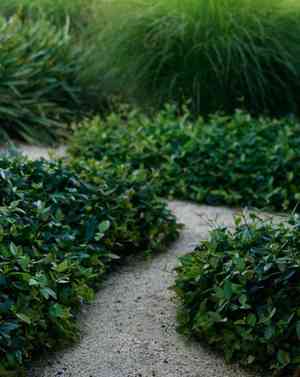
Excellent news for asiatic jasmine aficionados! The ideal period for relocating this lovely plant spans from early to late spring, providing superb conditions for its development. Select a location featuring soil that drains effectively, partial to complete shade, and sufficient room. Bear in mind, careful handling during the transplant process aids asiatic jasmine in flourishing!
What Preparations are Needed Before Transplanting Asiatic Jasmine?
What is the Ideal Time for Transplanting Asiatic Jasmine?
Moving asiatic jasmine from early spring through late spring provides an advantage for successful establishment. This period ensures a cool, damp environment that aids root development. Utilizing this timeframe enhances the likelihood of adaptation, thereby improving overall plant vitality.
How Much Space Should You Leave Between Asiatic Jasmine Plants?
When relocating asiatic jasmine, ensure ample room for its development. Position each plant approximately 18-24 inches (45-60 cm) apart, allowing them to grow robust and full.
What is the Best Soil Mix for Asiatic Jasmine Transplanting?
For asiatic jasmine, prepare a soil that drains well, with a pH between 6.0 and 7.0. Enhance the soil with a balanced, slow-release fertilizer to provide a good nutrient foundation for your plant to develop strong roots.
Where Should You Relocate Your Asiatic Jasmine?
Select a garden spot that receives partial to full sun exposure for your asiatic jasmine. This plant can endure some shade, but for optimal growth, it requires at least 4-6 hours of daily sunlight.
What Equipments Should You Prepare Before Transplantation Asiatic Jasmine?
Gardening Gloves
To shield your hands from soil and any sharp debris.
Shovel or Spade
For excavating the asiatic jasmine from its original spot and creating a new cavity in its new location.
Garden Hose or Watering Can
To keep the root system hydrated during the relocation.
Garden Trowel
Useful for digging smaller holes and refining the planting site.
Pruning Shears
To trim any damaged roots or stems before transplanting.
Wheelbarrow or Large Bucket
To move the asiatic jasmine plant from its initial position to its new site.
Mulch
To assist in retaining moisture after the transplant.
How Do You Remove Asiatic Jasmine from the Soil?
How Do You Remove Asiatic Jasmine from the Soil?
From Ground: First, hydrate the asiatic jasmine plant to moisten the soil. Once the soil is adequately damp, use a shovel or spade to dig a trench around the plant, ensuring sufficient distance from the base to prevent root damage. After encircling the plant, work the spade beneath the root ball and carefully lift the plant from its original spot.From Pot: If the asiatic jasmine is in a container, water it thoroughly first. Then, gently tilt the pot on its side and carefully slide out the plant, holding it by its base and trying not to pull at the stems or leaves. Be careful to keep the root ball intact.From Seedling Tray: If moving from a seedling tray, carefully extract the entire soil cell surrounding the roots using a small trowel or your hands. Never pull the asiatic jasmine out by its stem.
Step-by-Step Guide for Transplanting Asiatic Jasmine
Preparing the asiatic jasmine Plant
Water the asiatic jasmine thoroughly before starting the transplant process. Trim any damaged roots or stems using pruning shears.
Digging the New Hole
Using the shovel, excavate a hole that is twice as wide and equally as deep as the asiatic jasmine's root ball. Place the excavated soil beside the hole.
Placing the Plant
Position the asiatic jasmine in the hole, ensuring the top of the root ball is level with the ground surface.
Backfilling
Refill the hole with the original soil, gently firming it around the base of the asiatic jasmine.
Watering
Water the asiatic jasmine thoroughly until the water begins to collect on the surface. This will help settle the soil.
Mulching
Apply a layer of mulch around the base of the asiatic jasmine, but avoid piling it against the plant's stem.
How Do You Care For Asiatic Jasmine After Transplanting?
Consistent Watering
In the initial period after relocation, the asiatic jasmine will need regular moisture to encourage root development. Be careful not to overwater – the soil should remain moist, not saturated.
Pruning
Light trimming might be necessary to promote denser growth. Do this only after the plant has settled into its new location, typically 2-3 weeks post-transplant.
Checking for Disease & Pests
Transplanting can be stressful for plants, making them more vulnerable to disease and pests. Regularly inspect the asiatic jasmine's leaves, stems, and surrounding soil for any signs of trouble.
Troubleshooting Common Issues with Asiatic Jasmine Transplantation.
When's the optimal timeline to transplant asiatic jasmine?
For a successful transplant, move asiatic jasmine between early to late spring when the weather is mild.
What's the ideal spacing when transplanting multiple asiatic jasmine plants?
While transplanting asiatic jasmine, maintain a gap of about 18-24 inches (45-60 cm) between each plant for proper growth.
Why are my transplanted asiatic jasmine plants wilting?
Asiatic jasmine may wilt due to shock from the transplant. Regular watering and partial shade can help to revive the plant.
Can I transplant asiatic jasmine in the fall?
It's best to transplant asiatic jasmine in spring. Transplanting in fall may lead to transplant shock due to temperature fluctuations.
Why is my transplanted asiatic jasmine not showing new growth?
Post-transplant, asiatic jasmine might take some time to establish its roots before visible growth. Ensure it's watered well and gets partial sunlight.
What type of soil is most suitable for transplanting asiatic jasmine?
Asiatic jasmine thrives best in well-drained soil rich in organic matter. It can tolerate a range of soil types.
How deep should I plant asiatic jasmine while transplanting?
Plant asiatic jasmine at the same depth as in its previous location. Too deep might risk root rot while too shallow risks desiccation.
How often should I water my newly-transplanted asiatic jasmine plants?
Water asiatic jasmine thoroughly after transplanting. Thereafter, regular watering, around twice a week, is ideal until the plant is well established.
Do I need to fertilize asiatic jasmine post-transplant?
While not necessary, feeding asiatic jasmine with a slow-release balanced fertilizer can help to support new growth after transplanting.
Can I transplant a mature asiatic jasmine plant?
Yes, mature asiatic jasmine plants can be transplanted. However, take extra care to minimize root disturbance and water regularly post-transplant.



