How to Transplant White trillium?
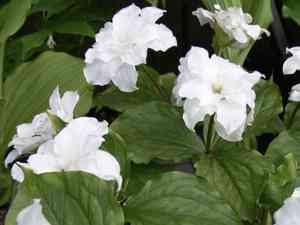
Relocate white trillium during the ideal period of early to late spring, as this ensures their most successful establishment. Select a deeply shaded spot with damp, adequately draining earth for peak development. Carefully manage the fragile root structure, and encircle it with organic mulch to preserve hydration.
What Preparations are Needed Before Transplanting White Trillium?
What is the Ideal Time for Transplanting White Trillium?
The perfect period to move white trillium spans from early spring until the start of summer. Due to favorable weather, white trillium can effortlessly establish a robust root system. By relocating at this point, white trillium has a full growing season to strengthen before winter. It's truly beneficial!
How Much Space Should You Leave Between White Trillium Plants?
When relocating white trillium, allow an optimal spacing of 12-18 inches (30-45 cm) between each plant. This ensures ample room for growth and prevents overcrowding, which is vital for both the plant's health and visual appeal.
What is the Best Soil Mix for White Trillium Transplanting?
Prepare a well-draining, rich soil blend of loam or sandy loam that is slightly acidic to neutral (pH 5.5-7.0). Incorporate a foundational fertilizer rich in organic matter, such as a mix of compost and aged manure, to nourish white trillium and support vigorous growth.
Where Should You Relocate Your White Trillium?
Select a spot that receives filtered sunlight or partial shade, as white trillium appreciates some sun but not excessive direct heat. Ideally, find a location under a canopy of sparse trees or next to taller plants, ensuring a blend of sun and shade for your white trillium.
What Equipments Should You Prepare Before Transplantation White Trillium?
Gardening Gloves
To safeguard your hands while handling soil and plants.
Shovel or Spade
For excavating holes required for transplanting, and for extracting the white trillium plant from its initial spot.
Trowel
A smaller digging implement for precise work around plant roots.
Watering Can or Hose
To hydrate the white trillium before and after relocation.
Organic Matter (e.g., compost or leaf mold)
To enhance the soil quality of the planting hole and supply nutrients to the white trillium.
Bucket
To gently move the plant from its original position to its new site.
How Do You Remove White Trillium from the Soil?
How Do You Remove White Trillium from the Soil?
From Ground: First, moisten the white trillium plant to dampen the soil. Then, excavate a wide trench around the plant using a shovel or spade, ensuring the plant's root ball remains intact. Carefully work the spade beneath the root ball to lift the plant from its initial location.From Pot: Water the potted white trillium plant and gently tilt it sideways to extract it from the container. Alternatively, you can lightly tap the pot while supporting the plant to loosen the soil and roots.From Seedling Tray: Water the seedlings before removing them from the tray. Gently grasp the white trillium seedling at its base, and using a small trowel or your fingers, carefully separate the soil and roots from the tray.
Step-by-Step Guide for Transplanting White Trillium
Choose Location
Select a site with adequate shade, considering the mature size of the white trillium plant.
Dig Hole
Using a shovel or spade, excavate a planting hole approximately twice the size of the white trillium root ball. Loosen the sides and bottom of the hole to allow roots to spread easily.
Add Organic Matter
Amend the soil from the hole by incorporating 1-2 inches of organic material, such as compost or leaf mold.
Prepare Plant
Carefully position the white trillium so its root ball rests just below ground level. Spread the roots out within the planting hole.
Backfill Hole
Refill the hole with the amended soil, gently firming the soil around the white trillium to eliminate air pockets.
Water
Thoroughly water the white trillium using a watering can or a gentle stream from a hose nozzle, completely saturating the soil around the plant.
How Do You Care For White Trillium After Transplanting?
Moisture
Maintain consistent soil dampness, avoiding both waterlogged and arid conditions, to aid in establishing strong roots.
Mulching
Applying a layer of mulch around the base of the white trillium will help retain moisture, suppress weeds, and provide a more stable environment for the plant.
Fertilizing
During the initial year, use a balanced fertilizer to supply the white trillium with essential nutrients. Follow package directions for correct application rates.
Inspecting
Monitor the white trillium for any indications of stress or disease and address issues as necessary.
Pruning
Remove any dead or damaged leaves and stems to encourage new growth and maintain the overall health of the white trillium.
Troubleshooting Common Issues with White Trillium Transplantation.
When is the best time to transplant white trillium?
The ideal time to transplant white trillium is from early spring until its conclusion. This offers the plant an optimal climate to establish roots before harsh weather.
What is the appropriate distance between white trillium plants during transplantation?
Ensure a gap of 12-18 inches (30-45 cm) when transplanting white trillium as it provides sufficient space for growth while preventing competition for nutrients and water.
What precautions should I take while uprooting white trillium for transplantation?
Be careful not to harm the plant's roots when uprooting white trillium. Loosen the surrounding soil, dig deep enough to accommodate the entire root ball before lifting.
What should I do with the soil before transplanting white trillium?
Improve your soil with ample organic matter and ensure good drainage. White trillium prefer humus-rich, well-draining soils. Their roots can rot in excessively wet conditions.
What type of light conditions does white trillium need after transplantation?
White trillium prefers partially shaded areas. Full sun may cause the plant to yellow or scorch, while deep shade may result in weak growth and fewer flowers.
Is watering white trillium immediately after transplanting necessary?
Yes, watering is vital after transplanting white trillium. Ensure the soil around the roots is thoroughly hydrated but avoid waterlogging as it can promote root diseases.
Should I add fertilizer after transplanting white trillium?
White trillium thrives in fertile soil. While not essential, applying slow-release fertilizer after transplanting can boost growth. Be sure not to overdo it.
How do I handle the roots while transplanting white trillium?
Handle the roots of white trillium gently. Avoid folding or compacting them tightly in the hole. The roots should spread naturally for healthy growth.
What should be the depth of the hole for transplanting white trillium?
The hole should be twice as wide and just as deep as the root ball of white trillium. This allows ample room for roots to grow.
How frequently should I water white trillium after transplanting?
Water white trillium regularly, especially in the absence of rain. However, allow the soil surface to dry out between waterings to prevent diseases.



