How to Transplant Eastern gamagrass?
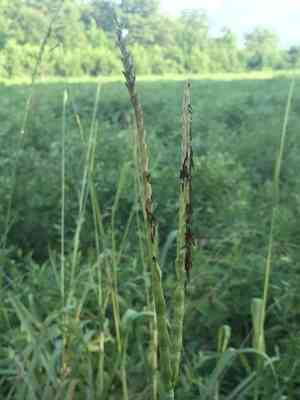
To ensure vigorous development of eastern gamagrass, relocate it once the ground warms up, generally from the mild beginning of late spring through the early summer period, providing abundant light and soil that drains effectively. Understanding its natural grassland habitat assists in choosing a suitable site.
What Preparations are Needed Before Transplanting Eastern Gamagrass?
What is the Ideal Time for Transplanting Eastern Gamagrass?
The best time to move eastern gamagrass is when warmer weather arrives, typically from mid-spring to early summer. This period offers gentle rainfall and moderate temperatures, promoting strong root development and adaptation. Transplanting during this window allows eastern gamagrass to establish itself before the intense summer heat. Think of it as choosing the perfect moving day for your plant, ensuring a smooth transition for it to thrive in its new spot.
How Much Space Should You Leave Between Eastern Gamagrass Plants?
Hello there! For your eastern gamagrass, you'll want to give each plant ample room to grow. Aim for a spacing of about 36-48 inches (91-122 cm) between each one. This will help your eastern gamagrass grow strong and healthy without overcrowding!
What is the Best Soil Mix for Eastern Gamagrass Transplanting?
Your eastern gamagrass will flourish in soil that drains effectively. Choose a loamy soil and incorporate some balanced slow-release fertilizer to give your eastern gamagrass a great start. This preparation will create a supportive environment for its roots to take hold!
Where Should You Relocate Your Eastern Gamagrass?
Find a sunny location for your eastern gamagrass, as it thrives in full sunlight. This pre-planting step is crucial! A spot that receives at least 6 hours of direct sun daily will have your eastern gamagrass flourishing and growing robustly.
What Equipments Should You Prepare Before Transplantation Eastern Gamagrass?
Gardening Gloves
To safeguard your hands while handling soil and the plant.
Shovel or Spade
For digging around and beneath the plant to lift it with its root ball intact.
Garden Fork
To loosen the soil surrounding the roots, facilitating easier plant removal.
Pruning Shears
To trim any damaged or excessively long roots prior to transplanting.
Wheelbarrow or Garden Cart
For moving the eastern gamagrass from its original spot to the new location.
Watering Can or Hose
To hydrate the eastern gamagrass before and after transplanting to ensure adequate moisture.
Mulch
To retain soil moisture and regulate soil temperature around the newly planted area.
How Do You Remove Eastern Gamagrass from the Soil?
How Do You Remove Eastern Gamagrass from the Soil?
From Ground: Start by watering the eastern gamagrass to moisten the soil. Use a shovel or spade to dig a trench around the plant, ensuring it's wide enough to avoid cutting into the root ball. Once the trench is complete, slide the spade under the root ball and gently rock it to loosen it. When the root ball is free, lift the plant from the ground.From Pot: Water the eastern gamagrass thoroughly beforehand. Turn the pot on its side and gently tap it to dislodge the plant. Support the plant's base with one hand and use the other to slide it out of the pot. If it doesn't release easily, run a garden fork around the pot's inner edge to help free the roots.From Seedling Tray: Water the seedlings well, then use a dibber or small spoon to lift each seedling from its cell, taking care to keep as much of the root system and soil together as possible.
Step-by-Step Guide for Transplanting Eastern Gamagrass
Preparation
Before extracting eastern gamagrass from its current spot, prepare the new planting hole. It should be twice the width of the root ball and the same depth to allow ample room for root expansion.
Root Pruning
Once eastern gamagrass is out of the ground or container, examine the root ball. Use pruning shears to trim any broken or overly long roots. Trimming will encourage new growth and foster a more compact, healthier root system.
Planting
Position eastern gamagrass in the center of the prepared hole, ensuring it's at the same soil depth as its original location. Carefully backfill the hole with soil, firming it around the roots to eliminate any large air pockets.
Watering
After planting, thoroughly water the area to settle the soil and provide hydration. Ensure the water penetrates deeply enough to reach the plant's root zone.
Mulching
Apply a layer of mulch around the base of eastern gamagrass to help retain moisture and suppress weeds. Leave some space around the plant's stem to prevent potential rot.
How Do You Care For Eastern Gamagrass After Transplanting?
Monitoring
Observe the eastern gamagrass for indications of transplant shock, such as wilting or leaf discoloration, and address them promptly.
Watering
Establish a consistent watering schedule to maintain uniformly moist soil around eastern gamagrass, especially during dry periods. Adjust frequency based on weather conditions.
Mulching
Check the mulch layer regularly and replenish as needed to maintain a consistent layer that aids in moisture retention.
Support
If eastern gamagrass is tall or shows signs of instability, you might need to gently stake it to provide support while its roots establish.
Pruning
Prune any dead or damaged leaves to encourage new growth and maintain a healthy plant.
Troubleshooting Common Issues with Eastern Gamagrass Transplantation.
Why is my eastern gamagrass not thriving after transplant?
Ensure the transplant occurred during the growing season, typically from late spring into early summer for optimal root establishment.
How far apart should eastern gamagrass be planted?
Proper spacing is crucial! Plant eastern gamagrass approximately 36-48 inches (91-122 cm) apart to give it sufficient room to grow.
What soil conditions favor eastern gamagrass's transplantation?
Aim for well-draining soil with adequate fertility. Poor drainage or compacted soil can impede eastern gamagrass's growth.
How deep should the planting hole be for eastern gamagrass?
The hole should be just deep enough to accommodate the root ball, keeping the crown level with the soil surface.
Should I water eastern gamagrass immediately after transplanting?
Absolutely! Water the plant generously right after transplanting to help settle the soil around the roots.
How much sun does eastern gamagrass need after transplanting?
Provide eastern gamagrass with full sun to partial shade to encourage strong growth post-transplant.
Can I fertilize eastern gamagrass right after transplanting?
It's best to wait a few weeks before fertilizing to avoid burning the newly established roots.
How do I know if my eastern gamagrass is planted at the correct depth?
The top of the root ball should be at soil level. Planting too deep or too shallow can stress eastern gamagrass.
What if my eastern gamagrass is wilting after transplant?
Wilting can indicate water stress. Check moisture levels and ensure the plant has been watered sufficiently but not excessively.
Can I transplant eastern gamagrass during hot weather?
Transplanting during cooler parts of the day in hot weather is possible, but extra care is needed to prevent transplant shock.



