How to Transplant Carolina hemlock?
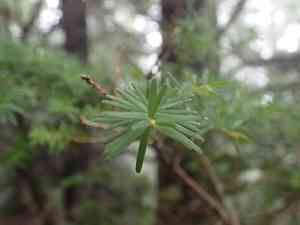
For Carolina hemlock, the ideal period for relocation is at the onset of spring, facilitating robust root development. Select a cool, shaded location, protected from strong air currents. Achieving the best outcome depends on preserving steady hydration following the transplant.
Essential Preparations Before Relocating Carolina Hemlock
Optimal Period for Moving Carolina Hemlock?
Early spring, as winter's grip loosens, offers an ideal window for relocating carolina hemlock. This timeframe, particularly from early to mid-spring, enables carolina hemlock to settle into its new spot, leveraging the season's inherent growth surge. Moving carolina hemlock at this point maximizes its chances of firm rooting, benefiting from damp soil and milder temperatures, which are less taxing for young plants. It's the perfect moment for carolina hemlock to adapt and flourish, setting the stage for vigorous development in the warmer months ahead.
Recommended Spacing Between Carolina Hemlock Plants?
When positioning your carolina hemlock, aim for a separation of approximately 20-25 feet (6-7.6 meters). This provides ample room for their expansion as they mature and guarantees sufficient access to vital nutrients.
Ideal Soil Blend for Carolina Hemlock Relocation?
Your carolina hemlock will thrive in soil that drains well and is acidic. Prior to transplanting, enriching the existing soil with compost or manure will be highly beneficial. A slow-release, granular fertilizer can also aid growth post-planting.
Selecting a New Site for Your Carolina Hemlock?
When choosing a new spot for your carolina hemlock, look for an area that receives partial to full sunlight. They tolerate some shade, but excessive shade might hinder their development. Remember, sunlight is crucial!
Equipment Needed Before Transplanting Carolina Hemlock
Gardening Gloves
To protect your hands while handling soil and the plant.
Shovel
For digging holes and carefully lifting the plant with its root system.
Gardening Trowel
Useful for precise digging around the plant's root structure.
Pruning Shears
To trim any damaged or excessively long roots.
Bucket
To transport the plant and its root ball from one location to another.
Watering Can
To ensure the plant remains adequately hydrated during the relocation process.
Mulch
To help retain soil moisture after the transplant.
Compost
To enrich the new planting medium.
How to Extract Carolina Hemlock from the Ground?
How to Extract Carolina Hemlock from the Soil?
From Ground: Begin by thoroughly watering the area around the carolina hemlock to soften the soil surrounding the root ball, making it easier to work with. Carefully dig a trench around the plant using a shovel, taking care to keep the root ball intact. Gradually work the shovel beneath the root ball. Lift the plant, along with its root ball, ensuring minimal damage to the roots.From Pot: Water the carolina hemlock thoroughly to keep its roots moist. Tilt the pot and gently tap its sides to loosen the plant. Carefully slide the plant out by holding it at the base. Avoid pulling the plant by its stem or leaves.From Seedling Tray: Water the seedlings and allow excess water to drain. Using a small trowel or your fingers, gently lift the seedlings from below, not by their stems. If necessary, hold them only by their leaves, as these can regrow if damaged, unlike the stem or roots.
Step-by-Step Guide for Relocating Carolina Hemlock
Prepare the New Planting Site
Excavate a hole twice the width and equal depth to the root ball. Incorporate a layer of compost at the base to enrich the soil.
Inspect the Roots
Examine the carolina hemlock's root ball and trim any damaged or excessively long roots.
Position the Plant
Gently place the plant in the hole, ensuring the top of the root ball is level with the ground surface.
Backfill the Hole
Refill the hole with the prepared soil mix, gently patting it down to eliminate air pockets.
Water Generously
Water the carolina hemlock thoroughly to establish good contact between its roots and the soil.
Apply Mulch
Add a layer of mulch around the plant to help retain moisture.
Post-Transplant Care for Carolina Hemlock
Observation
Monitor your carolina hemlock after relocation for any signs of stress, such as wilting or leaf drop. If these symptoms appear, shield the tree from stressors like intense sunlight or wind until it recovers.
Trimming
If your carolina hemlock shows signs of stress after transplanting, perform some light pruning. This reduces the leaf surface area the plant needs to sustain and can aid recovery. However, avoid over-pruning.
Pests and Diseases
Be vigilant for pests and diseases. Maintain good hygiene around the transplanted area and address any infestations promptly to give your carolina hemlock a strong start in its new location.
Seasonal Maintenance
Generally, carolina hemlock requires minimal upkeep once established, but you might need to provide additional water during dry periods. Adhere to specific guidelines for your climate and weather conditions.
Addressing Common Issues During Carolina Hemlock Transplantation.
What is the optimal season for transplanting carolina hemlock?
The best time to move carolina hemlock is during S1-S2. This allows the plant to establish roots before harsh weather conditions.
How should I space carolina hemlock saplings when transplanting?
It's crucial to give each carolina hemlock ample room to grow. Aim for a spacing of approximately 20-25 feet (6-7.6 meters).
Can I transplant carolina hemlock in a smaller area than advised?
While possible, it's not recommended. Carolina hemlock requires about 20 to 25 feet (6-7.6 meters) of space to reach its full potential.
What should be the depth of the hole for transplanting carolina hemlock?
The hole for carolina hemlock should be twice the width of the root ball and equally deep to allow roots to spread effectively.
Can I use any type of soil for planting carolina hemlock?
Absolutely not. Carolina hemlock prefers well-drained, moist, acidic soils. It's advisable to amend your soil with organic compost where necessary.
How much sunlight does a transplanted carolina hemlock need?
Carolina hemlock generally thrives in a semi-shady spot. It can tolerate full sun, but it's essential to ensure it's well-watered in such conditions.
What's the best method for watering transplanted carolina hemlock?
Water carolina hemlock thoroughly immediately after planting. Subsequently, ensure it receives about an inch (2.5 cm) of water weekly. Adjust based on rainfall.
How do I care for transplanted carolina hemlock during the colder months?
During winter, ensure carolina hemlock has sufficient water before the ground freezes. Applying mulch around the base can help retain soil moisture and warmth.
What should I do if my transplanted carolina hemlock isn't thriving?
Check for common problems such as insufficient water, sunlight, or space. Also, inspect for signs of pests or diseases and treat them accordingly.
Can I use fertilizers on carolina hemlock after transplanting?
Yes, but not immediately after transplanting. Wait a few weeks, then consider a slow-release, balanced fertilizer to encourage healthy growth.



