How to Transplant Broadleaf cattail?
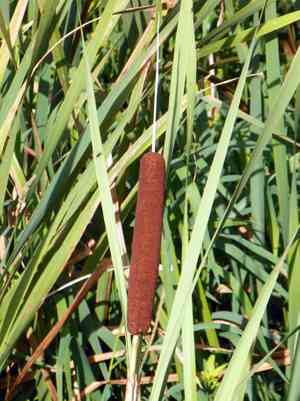
The most favorable period for relocating broadleaf cattail is when spring revitalizes the environment, allowing roots to establish early. Choose a location rich in water and exposed to abundant sunlight. Delicacy is crucial, as broadleaf cattail flourishes with careful treatment during its transfer.
What Preparations are Needed Before Transplanting Broadleaf Cattail?
What is the Ideal Time for Transplanting Broadleaf Cattail?
The start of the growing season, specifically the period from early to mid-spring, is optimal for relocating broadleaf cattail. This timeframe offers a good mix of mild temperatures and increased daylight, aiding root establishment and development before summer heat intensifies. Moving broadleaf cattail during this window allows the plant to benefit from the entire growing season, boosting survival rates and ensuring strong growth. Remember: this is when broadleaf cattail flourishes most after transplant, so capitalize on this natural growth period!
How Much Space Should You Leave Between Broadleaf Cattail Plants?
When moving broadleaf cattail, position each plant approximately 2-4 feet (60-120 cm) apart. This provides ample room for robust growth while preventing overcrowding, which can impede their development.
What is the Best Soil Mix for Broadleaf Cattail Transplanting?
Prepare your planting site with damp, well-draining soil, which broadleaf cattail prefers. For added nutrients, mix a slow-release, granular fertilizer into the planting hole before transplanting. This will give broadleaf cattail an excellent start.
Where Should You Relocate Your Broadleaf Cattail?
Select a location where broadleaf cattail can receive full to partial sunlight, as they flourish in bright conditions. However, they are adaptable and can tolerate varying light levels, so avoid areas with prolonged shade.
What Equipments Should You Prepare Before Transplantation Broadleaf Cattail?
Gardening gloves
To safeguard your hands while digging and handling the plant.
Spade or shovel
To carefully excavate around and beneath the plant's root ball in its original spot.
Garden fork
For gently loosening the soil surrounding the plant's roots.
Wheelbarrow or large bucket
To move the plant from its initial location to the new one.
Watering Can or Hose
To moisten the soil before and after relocating broadleaf cattail.
How Do You Remove Broadleaf Cattail from the Soil?
How Do You Remove Broadleaf Cattail from the Soil?
From Ground: Begin by watering the broadleaf cattail plant to soften the soil. Next, use a spade or shovel to dig a trench around the plant, being careful not to harm its roots. Maintain a good distance from the stem to avoid cutting into the root ball. Once the trench is dug, slide the spade under the root ball and gently lift the plant.From Pot: If broadleaf cattail is in a container, water it thoroughly before proceeding with the transplanting process. This will help keep the soil intact around the root ball. Turn the pot sideways, hold the plant by its base, and tap the bottom of the pot to slide the plant out.From Seedling Tray: If broadleaf cattail is a seedling, it's crucial to handle it with extreme care during removal. Moisten the soil in the tray, then carefully lift the seedling by its leaves to prevent root damage.
Step-by-Step Guide for Transplanting Broadleaf Cattail
Preparation
Clear the transplant site of debris, rocks, and weeds. If the soil is compacted, use a garden fork to loosen it. Dig a hole twice as wide and twice as deep as the root ball of broadleaf cattail.
Planting
Place broadleaf cattail in the prepared hole, ensuring the top of the root ball is level with the soil surface. Then, backfill the hole with soil, gently pressing around the plant's base.
Watering
After relocating broadleaf cattail, thoroughly water the area. Water should penetrate deep enough to moisten the entire root ball.
Monitoring
Observe broadleaf cattail after transplanting, looking for any signs of stress such as drooping, wilting, or yellowing leaves.
How Do You Care For Broadleaf Cattail After Transplanting?
Watering
Maintain consistent moisture around broadleaf cattail after transplanting. However, avoid excessive watering to prevent root rot.
Checking
Continue to monitor the plant for the next few weeks to assess its health. If broadleaf cattail appears unhealthy, consider seeking advice from a local nursery or agriculture extension office.
Pruning
Trim any dead or dying leaves a few days after transplantation. This will allow broadleaf cattail to direct its energy towards establishing new roots.
Protection
Depending on your climate, broadleaf cattail may require protection from extreme elements like intense sunlight or frost until it becomes established.
Troubleshooting Common Issues with Broadleaf Cattail Transplantation.
When is the best time to transplant broadleaf cattail?
The optimal period to transplant broadleaf cattail is during the S1-S2 season, providing the most suitable conditions for growth.
How should I prepare the soil for transplanting broadleaf cattail?
Enrich the soil with organic matter such as compost. It should be moist, well-draining, and have a pH between 4.5 and 7.0.
What's the ideal spacing for broadleaf cattail after transplanting?
To prevent overcrowding and ensure healthy growth, allow a spacing of 2-4 feet (60-120 cm) between each broadleaf cattail plant.
How should I water broadleaf cattail after transplanting?
Water broadleaf cattail thoroughly immediately after transplanting. Continue to water regularly, ensuring the soil remains consistently moist but not waterlogged.
What to do if my broadleaf cattail shows signs of wilting post-transplanting?
If broadleaf cattail wilts after transplanting, ensure it's receiving adequate water and sunlight. Avoid moving it too much as it adjusts to its new location.
Do I need to prune broadleaf cattail after transplantation?
Pruning is not essential for broadleaf cattail post-transplant. It can be beneficial to remove any damaged sections to encourage growth and prevent infections.
Should I fertilize broadleaf cattail after transplanting?
Yes, but wait a few weeks. Initially, let broadleaf cattail acclimate to its new environment, then begin a regular fertilizing schedule with a balanced, all-purpose plant food.
What to do if broadleaf cattail does not show any new growth after transplanting?
Patience is crucial. If broadleaf cattail shows no new growth, ensure it's receiving proper light, water, and nutrients. If growth is still absent, consult a plant specialist.
Can I transplant broadleaf cattail in a pot?
Absolutely! Broadleaf cattail can thrive in containers. Ensure the pot is sufficiently deep and has drainage holes to prevent root rot from overwatering.
What can cause the leaves of broadleaf cattail to turn yellow after transplanting?
Yellowing leaves may indicate overwatering, underwatering, or nutrient deficiency. Adjust watering practices and check if your broadleaf cattail is receiving sufficient nutrients.



