How to Transplant Chinese elm?
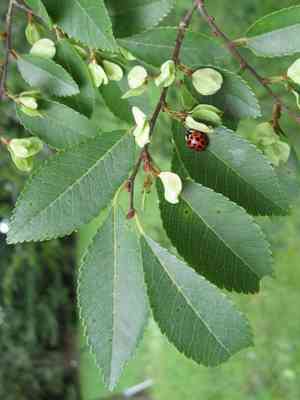
For a flourishing chinese elm, relocate it during the optimal period of late spring to early summer, when temperatures are mild. Select a site with good drainage and ample, diffused illumination. If necessary, offer additional attention and bracing to aid the plant in rooting effectively.
Necessary Preparations Before Relocating Chinese Elm?
When is the Best Time to Move Chinese Elm?
The perfect time to move our chinese elm is from late spring to early summer. This allows chinese elm to acclimate before the hotter season arrives. Moving it at this point minimizes transplant shock for chinese elm and promotes a stronger root system, ensuring vigorous growth.
What Distance Should Be Maintained Between Chinese Elm Plants?
For chinese elm, maintain a distance of 6-8 feet (1.8-2.4 meters) between plants when moving them. This spacing is ideal to provide ample room for growth and development!
What is the Optimal Soil Mix for Chinese Elm Relocation?
Prepare a well-draining, loamy soil with a neutral pH (6.5-7.5) for chinese elm. Incorporate a base fertilizer rich in organic material, such as compost or aged manure, to enrich the soil and encourage robust growth.
Where Should You Replant Your Chinese Elm?
Select a spot with full sun to partial shade for chinese elm. This means at least 6 hours of direct sunlight daily, but it can also tolerate some shade, especially in warmer climates.
What Tools Should You Prepare Before Moving Chinese Elm?
Shovel or Spade
To dig up the chinese elm from its original spot and prepare the new planting hole.
Gardening Gloves
To safeguard your hands while working with the soil and plant.
Garden Hose or Watering Can
To hydrate the chinese elm before and after its relocation.
Pruning Shears
To trim any damaged or dead branches from the chinese elm if needed.
Wheelbarrow or a bucket
To transport the chinese elm from its current spot to the new planting site.
Tarp
To place under the chinese elm when extracting it to prevent damage to the root system and keep your area tidy.
Organic Compost
To enrich the planting site and supply nutrients to the chinese elm.
How Do You Extract Chinese Elm from the Ground?
How Do You Extract Chinese Elm from the Ground?
From Ground: Start by thoroughly watering the chinese elm to moisten the root area. Once damp, use the shovel to dig a wide circle around the chinese elm, ensuring the plantâs root ball remains intact. When you can slightly move the chinese elm, work the shovel underneath it to carefully lift it out of the ground, placing it on the tarp.From Pot: Water the chinese elm to slightly moisten the soil. Turn the pot sideways, place your hand over the soil around the base of the chinese elm, and gently pull the base of the plant. Carefully ease the chinese elm out of its pot, avoiding forceful pulling.From Seedling Tray: Water the seedlings to moisten the soil. Gently hold the base of the chinese elm and use a small tool like a spoon to carefully lift the seedling along with its root ball from the tray.
Step-by-Step Guide for Relocating Chinese Elm
Preparation
Begin by preparing the new planting site for the chinese elm. Dig a hole that is twice the width and the same depth as the root ball of the chinese elm. Add a layer of organic compost at the bottom of the hole for extra nourishment.
Positing
Place the chinese elm in the center of the hole. Ensure the top of the root ball is level with or slightly above the ground. Adjust the hole's depth if necessary.
Backfilling
Refill the hole with the excavated soil. As you do this, gently compact the soil around the chinese elm to ensure stability and eliminate air pockets.
Watering
Water the chinese elm generously after relocation to settle the soil and minimize transplant shock. Use a garden hose or watering can for this.
Monitoring
Observe the chinese elm carefully over the subsequent weeks to ensure it is adapting to its new environment.
How Do You Care For Chinese Elm After Relocation?
Monitoring
Keep a close watch on the chinese elm. The initial few weeks after relocation are crucial for its survival.
Watering
The chinese elm requires ample water as it settles into its new spot. Ensure the soil stays consistently moist, but not waterlogged, especially for the first few weeks.
Pruning
If you notice any diseased or damaged branches, use pruning shears to remove them. This encourages the chinese elm to direct its energy towards healthy growth.
Frost Protection
If temperatures drop below freezing, cover the chinese elm with a blanket or frost cloth to shield it.
Addressing Common Issues with Chinese Elm Relocation.
What is the best time to move chinese elm?
The optimal period for moving chinese elm is from the beginning of late spring extending into the early summer months.
What distance should I maintain between chinese elm when moving?
When moving chinese elm, ensure you provide sufficient space for growth. Ideally, maintain a distance of approximately 6-8 feet (1.8-2.4 m) apart.
Should I water chinese elm immediately after moving?
Absolutely! Watering chinese elm right after moving helps settle the soil and reduce transplant shock. However, avoid over-watering to prevent root rot.
How deep should I plant the chinese elm when moving?
When moving chinese elm, the hole should be about twice the width of the root ball and roughly the same depth. This aids in the chinese elm's establishment.
How should I prepare the soil for chinese elm relocation?
Chinese elm prefers well-draining soil with a neutral to slightly acidic pH. Enrich the soil with organic matter to boost its nutrient content.
How can I prevent transplant shock in chinese elm?
To prevent transplant shock in chinese elm, water the plant sufficiently before and after moving. Also, relocate during the late afternoon or on a cloudy day.
What if chinese elm's leaves start wilting after relocation?
Wilting can indicate transplant shock. Ensure chinese elm is adequately watered and protected from extreme weather. If issues persist, consider seeking professional advice.
Do I need to prune chinese elm before moving?
Pruning isn't mandatory, but removing dead branches or shoots can promote healthier growth in chinese elm after relocation.
Is it okay to fertilize chinese elm immediately after moving?
Avoid fertilizing chinese elm right after moving as it can cause root burn. Wait 4 to 6 weeks until the plant has settled in its new location.
What if chinese elm doesn't show new growth after relocation?
Patience is crucial here. Chinese elm may take some time to adapt and begin new growth. However, if there's no sign of life after a few weeks, seek expert guidance.



