How to Transplant Siberian elm?
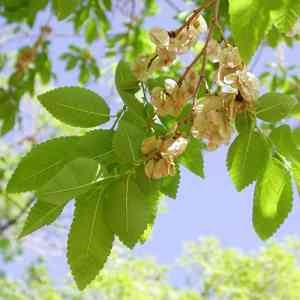
The ideal period for relocating siberian elm is from late spring through midsummer, providing sufficient warm conditions for its root system to settle. Select a site that receives abundant sunlight, possesses good drainage, and offers ample room for development. Bear in mind: siberian elm flourishes when it has space to spread.
What Preparations are Necessary Before Relocating Siberian Elm?
When is the Optimal Period for Moving Siberian Elm?
The most suitable time for relocating siberian elm is from late spring to mid-summer, as this timeframe promotes ideal root development and establishment. Transplanting during this period ensures vigorous growth and a flourishing siberian elm in your garden.
What Distance Should Be Maintained Between Siberian Elm Plants?
To provide your siberian elm ample room to grow and thrive, relocate them with a separation of approximately 40-60 feet (12-18 meters) apart. This allows for their proper development and expansion.
What is the Best Soil Mixture for Siberian Elm Relocation?
For a thriving, healthy siberian elm, plant it in well-draining, loamy soil. Applying a slow-release, balanced fertilizer to the soil before transplantingâsuch as a 10-10-10 formulaâwill supply essential nutrients for optimal outcomes.
Where Should You Replant Your Siberian Elm?
Select a location in your garden that receives full sun for your siberian elm, as it will benefit from 6+ hours of sunlight daily. Position it in an area sheltered from strong winds to prevent any harm to its branches or foliage.
What Tools Should You Prepare Before Relocating Siberian Elm?
Gardening Gloves
To safeguard your hands while handling soil and the plant.
Shovel or Spade
To excavate a hole at the planting site and carefully extract the plant from its original spot.
Trowel
For more precise digging, especially if moving from a pot or seedling tray.
Garden Fork
To assist in loosening the soil around the plant's root ball.
Garden Hose or Watering Can
To hydrate the plant both before and after relocation.
Pruner or Scissors
For trimming any damaged or dead roots during the transplanting process.
Stakes and Plant Ties
To offer support for siberian elm if required.
How Do You Extract Siberian Elm from the Ground?
How Do You Extract Siberian Elm from the Ground?
- From Ground:First, water the siberian elm to moisten the soil. Then, dig a wide trench around the plant using a shovel or spade, ensuring the plant's root ball remains intact. Carefully work the spade beneath the root ball to lift the plant from its initial position.- From Pot:Water the siberian elm and gently tilt the pot to loosen the soil. Hold the base of the stem and tap the rim of the container against a firm surface to help dislodge the root ball. If necessary, use a trowel or your hands to carefully remove the plant from the pot.- From Seedling Tray:Gently remove the siberian elm seedlings by carefully loosening the soil around the roots using a trowel or your fingers. Hold the seedlings by their leaves, not the stems, to prevent damage while extracting them from the tray.
Step-by-Step Guide for Relocating Siberian Elm
Site Selection
Choose a spot with adequate sunlight and room for your siberian elm plant to reach its mature size.
Soil Preparation
Loosen the soil in the chosen planting area using a garden fork to encourage root growth.
Digging the Hole
Excavate a hole at the planting site using a shovel or spade; the hole should be twice as wide and as deep as the plant's root ball.
Root Inspection
Examine the siberian elm's roots, trimming away any dead or damaged roots with pruners or scissors.
Placing the Plant
Position the siberian elm plant in the hole, ensuring that the top of the root ball is level with the surrounding soil.
Filling the Hole
Backfill the hole with soil, gently patting the soil around the plant to eliminate air pockets.
Watering
Thoroughly water the siberian elm plant to help settle the soil and establish strong roots.
Staking (if necessary)
If the siberian elm requires additional support, place stakes around the plant and secure them with plant ties.
How Do You Care For Siberian Elm After Relocation?
Watering
Keep the soil around the siberian elm consistently moist, but not waterlogged, for the initial weeks after transplanting to aid in establishing strong roots.
Mulching
Apply a 5 cm toUNIT_CONVERT_START_3 inches_UNIT_CONVERT_STARTlayer of organic mulch around the base of the siberian elm to retain moisture and suppress weeds.
Monitoring
Observe the siberian elm for any indications of stress, such as wilting or yellowing leaves, and address any issues promptly.
Pruning
Trim any dead, damaged, or overcrowded branches as needed to maintain a healthy growth pattern for the siberian elm.
Fertilizing
Apply a slow-release fertilizer during the first growing season after transplanting, following the package instructions for proper application rates and timing.
Addressing Common Issues with Siberian Elm Relocation.
When is the best time to move siberian elm?
The optimal period to relocate siberian elm is from late spring to mid-summer, when the weather is warm and consistent.
How much space should I allow between siberian elm plants?
A good guideline is to space siberian elm 40-60 feet (12-18 meters) apart to ensure proper growth and development.
What soil type is ideal for relocating siberian elm?
Siberian elm can tolerate various soil types, but well-draining soil with a neutral to slightly alkaline pH is preferred.
How deep should I dig the hole for relocating siberian elm?
Dig a hole about 2-3 times the width and as deep as the root ball of your siberian elm, to give the roots ample room to grow.
How much water does siberian elm require after relocation?
Water siberian elm thoroughly after transplanting, then provide consistent moisture until the plant establishes, avoiding excessive watering.
Should I prune siberian elm after relocation?
Remove any dead or damaged branches before transplanting siberian elm. Light pruning can be done after transplanting to encourage bushier growth.
How to minimize transplant shock for siberian elm?
Minimize transplant shock by relocating on a cloudy day or in the evening and keeping the root ball moist throughout the process.
When will I observe new growth on my relocated siberian elm?
New growth should appear within a few weeks after transplanting siberian elm. Be patient and provide appropriate care during this period.
Do I need to stake siberian elm after relocation?
Staking may be necessary if siberian elm is top-heavy or in a windy location. Place the stake before transplanting to prevent root damage.
Should I add fertilizers when relocating siberian elm?
Avoid using high-nitrogen fertilizers during transplanting; instead, apply a slow-release, balanced fertilizer to promote healthy root growth.



