How to Transplant Stinging nettle?
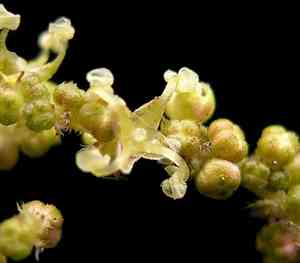
The most favorable period for relocating stinging nettle is from late spring through mid-summer, when temperatures are elevated, which fosters vigorous development. Select a location that offers shade and possesses damp earth. Exercising care is vital because of its delicate root system.
Essential Preparations Before Relocating Stinging Nettle?
When is the Best Time to Move Stinging Nettle?
The optimal period for relocating stinging nettle is during the mild warmth of late spring to early-mid summer. This timeframe offers ideal conditions for root development, as the ground is warm and the intensity of summer heat has not yet arrived. Moving stinging nettle at this time ensures it has sufficient opportunity to adjust and flourish, benefiting from extended daylight and moderate temperatures. This timing also aids stinging nettle in developing strong roots before autumn, setting the stage for a vigorous, healthy growth cycle.
What Spacing is Recommended Between Stinging Nettle Plants?
When relocating stinging nettle, aim to position them approximately 1-2 feet (30-60 cm) apart. This provides each plant ample room to expand and thrive. It's a straightforward initial step to guarantee flourishing and robust plants!
What is the Ideal Soil Mixture for Stinging Nettle Relocation?
Stinging nettle thrives in well-draining soil, so opt for a mix rich in organic material. Give them a nourishing start by incorporating a balanced base fertilizer into the planting hole. This will support their development and ensure a successful transfer.
Where Should You Replant Your Stinging Nettle?
Select a spot that receives abundant sunlight, as stinging nettle enjoys sunny conditions. However, they can also tolerate some partial shade. So, just ensure they get a good balance, and they'll be ready to flourish!
What Tools Should You Prepare Before Relocating Stinging Nettle?
Gardening Gloves
To safeguard your hands from the irritating hairs of the stinging nettle.
A Shovel or Garden Spade
For excavating a hole for planting and extracting the plant from its original spot.
A Trowel
This smaller implement is useful for moving stinging nettle from containers or seedling trays.
Garden Pruners
To trim damaged or excess stems and roots to encourage new, vigorous growth.
Watering Can
To hydrate the plant immediately following its relocation.
A Wheelbarrow
To transport the plant and soil to and from the planting site.
How Do You Extract Stinging Nettle from the Ground?
How Do You Extract Stinging Nettle from the Ground?
From Ground: Begin by putting on your gardening gloves. Next, water the stinging nettle plant to moisten the soil. Using a garden spade, dig a wide trench around the plant, ensuring the plant's root ball remains intact. Gently work the spade beneath the root ball to lift the stinging nettle from its initial location.From Pot: For stinging nettle plants in containers, water the plant, then carefully invert the pot while supporting the plant with your other hand. Gently ease the plant out of the pot. If the plant resists, you might need to break the pot.From Seedling Tray: If stinging nettle is in a seedling tray, water it first. Then, use a trowel or your fingers to gently separate the seedlings, taking care not to harm the roots.
Step-by-Step Guide for Relocating Stinging Nettle
Digging
Using your shovel or spade, prepare a hole that is twice the width of the stinging nettle's root ball. The depth should match the height of the root ball.
Preparing the Plant
If the stinging nettle plant is root-bound (meaning the roots have completely filled the container), gently loosen the roots with your fingers.
Planting
Place the stinging nettle into the hole. Ensure the top of the root ball is level with the soil surface. Backfill the hole with soil, gently firming it as you proceed.
Watering
Once planted, thoroughly water the stinging nettle plant. Continue to water regularly during the initial weeks after relocation.
How Do You Care For Stinging Nettle After Relocation?
Consistent Watering
Stinging nettle requires ample water after being moved. Keep the soil consistently moist, but be careful not to overwater.
Wind Protection
Stinging nettle can be susceptible to wind. Consider erecting a windbreak around the plant, especially in the early stages post-relocation.
Routine Inspections
Monitor for drooping leaves or stunted growth, which can signal an issue. Verify that pests or diseases have not affected your relocated plant. If you observe any signs of distress, act promptly.
Addressing Common Issues with Stinging Nettle Relocation.
What is the best season to relocate stinging nettle?
The optimal time to move stinging nettle is between the third and fifth season. This period offers the most favorable conditions for the plant's development.
How much spacing should be maintained between stinging nettle during relocation?
Allow 1-2 feet (approximately 30-60 cm) between each stinging nettle. This provides them sufficient room to grow without competing for nutrients.
What should I do if the relocated stinging nettle wilts after being moved?
Wilting might be due to transplant shock. Try watering it gently, ensuring the soil is damp but not saturated. Keep it in indirect sunlight.
How deep should the holes be when relocating stinging nettle?
The hole should be deep enough to accommodate the stinging nettle's root ball. This is typically around 10 inches (25 cm).
Why are the leaves of my relocated stinging nettle turning yellow?
Yellowing leaves could indicate overwatering or poor soil drainage. Reduce watering and check if your soil drains effectively.
Should I fertilize stinging nettle after relocation, and how much should I use?
Yes, providing stinging nettle with a balanced fertilizer after relocation helps stimulate growth. However, avoid excessive fertilization, which can lead to nitrogen burn.
What type of soil is most suitable for stinging nettle relocation?
Stinging nettle needs well-draining soil that is rich in organic matter. A mixture of garden soil and compost works best.
Do I need to prune the stinging nettle after relocating?
Pruning is not essential, but you can remove any dead or dying leaves to redirect energy towards new growth and overall plant vitality.
How much sunlight does a relocated stinging nettle require?
Stinging nettle needs at least 6 hours of direct sunlight daily. However, it can also endure partial shade.
Can stinging nettle be relocated again once established?
While it's feasible, avoid unnecessarily moving established stinging nettle. Doing so could induce transplant shock, impacting the plantâs health and growth.



