How to Transplant Valerian?
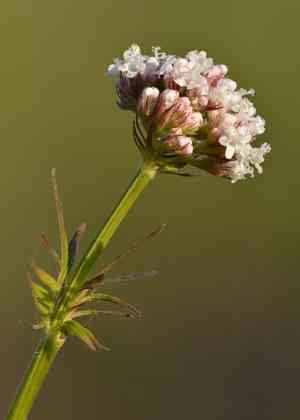
Relocating valerian is most effective between early and late spring, as elevated temperatures foster robust development. Select a site with good drainage and partial shade for valerian. Should it be required, offer extra bracing during the transfer to ensure steadiness. Appreciate the aesthetic appeal of valerian within your garden!
Essential Preparations Before Relocating Valerian
Optimal Timing for Valerian Relocation
The most favorable period to move valerian spans from early spring until its conclusion. Transplanting valerian during this season promotes superior development and robust root systems. Careful planning for valerian's relocation is advised for excellent outcomes.
Required Spacing Between Valerian Plants
When moving valerian, ensure a separation of approximately 12-16 inches (30-40 cm). This provides ample room for growth and guarantees sufficient nutrient uptake.
Ideal Soil Blend for Valerian Transplantation
For valerian, prepare a soil mixture abundant in organic matter and possessing good drainage. Incorporating compost or aged manure as a foundational fertilizer will supply vital nutrients for healthy development.
Selecting a New Site for Your Valerian
Choose a spot for valerian that receives partial shade to full sun. This ensures appropriate sunlight exposure for thriving growth while preventing potential damage from excessive sun.
Equipment Needed for Valerian Transplantation
Gardening Gloves
To safeguard your hands while handling soil and valerian.
Spade or Garden Fork
For excavating the plant and preparing the new planting site.
Measuring Tape
To confirm the correct depth and width of the hole.
Wheelbarrow or Container
To move the plant without harming its roots.
Watering Can or Hose
To moisten the soil during removal and when creating the transplant hole.
Mulch
To aid in moisture retention post-transplantation.
Compost
To enrich the new planting location and supply nutrients for valerian.
Method for Extracting Valerian from Soil
Method for Extracting Valerian from Soil
From Ground: Start by hydrating the valerian plant to moisten the soil. This facilitates digging and minimizes plant stress. Using a spade or garden fork, dig a wide circle around the plant, ensuring the root ball remains intact. Gently lift the plant from the hole and promptly place it into a wheelbarrow or other container to protect the root ball.From Pot: Adequately water the valerian plant before attempting to transplant it. Grasp the plant's base, invert the pot, and gently shake. The plant, along with its earthy root ball, should slide out. If not, lightly tap the pot's edges to loosen the soil and try again.From Seedling Tray: Ensure the valerian plant is well-watered before transplantation. Gently compress the cell's bottom or use a dibble tool to push up from below to extract the seedling with its root ball. Be careful not to harm the stem or roots during removal.
Step-by-Step Guide for Relocating Valerian
Excavation
Using your spade or garden fork, dig a hole twice the width of the plant's root ball and roughly the same depth. Incorporate some compost into the bottom of the hole to enrich the soil.
Plant Preparation
Remove the valerian plant from its container or the ground, ensuring the root ball stays as intact as possible.
Plant Placement
Position the plant in the hole, making sure the top of the root ball is level with the soil surface. Backfill the hole with the soil and compost mixture, gently pressing to eliminate air pockets.
Watering
Thoroughly water the valerian plant, and continue this for the initial days after relocation. This helps settle the soil around the plant.
Mulching
Apply a layer of mulch around the plant's base. This will help maintain moisture and keep the valerian's roots cool.
Post-Transplantation Care for Valerian
Routine Care
Regularly inspect the valerian plant for indications of transplant shock, such as wilting, yellowing, or dropped leaves. Depending on severity, these symptoms can often be alleviated with additional water.
Pruning
If the valerian plant starts to appear leggy or has outgrown its space, do not hesitate to prune it back. This will encourage bushier growth and improve its overall health.
Fertilizing
Wait at least one month before feeding your newly transplanted valerian plant to prevent root burn. Once established, fertilize the plant every other month with a balanced organic supplement.
Resolving Common Valerian Transplantation Issues
When is the best time to transplant valerian?
The optimal period to transplant valerian is from the beginning of spring through late spring.
What is the recommended spacing for valerian during transplantation?
A general guideline is to maintain a distance of 12-16 inches (30-40 cm) when transplanting valerian.
Why is valerian wilting after transplantation, and what can I do?
This might be transplant shock. Ensure valerian is adequately watered, avoid direct sunlight, and allow it time to recover.
Can valerian be transplanted in summer or winter?
Valerian prefers early to late spring for transplantation. While it might survive in other seasons, optimal growth may not be achieved.
Does valerian require any specific soil preparation before transplantation?
Valerian is not particular about soil but thrives best in well-draining, nutrient-rich soil. Adding compost during planting can be beneficial.
Why are my transplanted valerian's leaves turning yellow?
Yellowing leaves could indicate over-watering or a nutrient deficiency. Review your watering schedule and consider enriching the soil with compost.
Do I need to prune valerian during transplantation?
While not essential, pruning can encourage a more compact growth habit. Remove about one-third of the plant's height after transplanting valerian.
Why is valerian not blooming after being transplanted?
Lack of blooming can be a sign of stress. Ensure valerian has ideal growing conditions regarding light, water, and nutrients, and allow it time to adjust.
What depth should I dig for transplanting valerian?
The hole should be deep enough to accommodate the valerian's root ball, typically around 6-8 inches (15-20 cm).
Should I water valerian immediately after transplanting?
Yes, watering valerian after transplanting helps settle the soil and reduces transplant shock. However, avoid overwatering to prevent waterlogging.



