How to Transplant Blue vervain?
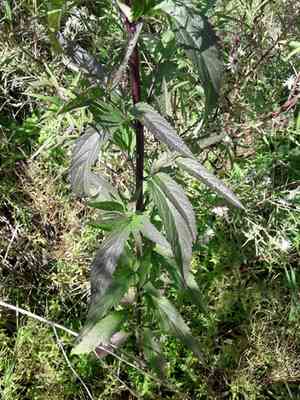
For robust blue vervain development, relocate the plant during the ideal period of early to late spring, when both ambient and ground temperatures are optimal. Select a bright spot featuring damp, adequately draining earth. Carefully separate the root ball during transplantation to facilitate proper rooting.
Essential Preparations Before Relocating Blue Vervain
Optimal Timing for Blue Vervain Relocation?
The most favorable period to move blue vervain is from early spring until its conclusion. This timeframe is ideal as it allows the plant to acclimate to its new surroundings and develop a robust, healthy root system prior to the arrival of summer's heat. Ensure your soil is adequately prepared to receive the plant, as this initial step will boost its chances of flourishing. It's vital to proceed carefully to prevent root damage. During this period, the soil is warming and receptive, providing blue vervain the momentum to thrive. This process is not only beneficial for the plant but also gratifying for the gardener who observes its growth.
Recommended Spacing Between Blue Vervain Plants?
When relocating blue vervain, it's best to position them 12-18 inches (30-46 cm) apart. This spacing will provide ample room for proper growth and healthy development.
Ideal Soil Blend for Blue Vervain Relocation?
For blue vervain, prepare the soil by combining well-draining, loamy soil with a slow-release organic fertilizer. This mixture will supply vital nutrients and encourage vigorous growth.
Selecting a New Site for Your Blue Vervain?
Choose a location offering full sun to partial shade for your blue vervain. A spot receiving at least 6 hours of daily sunlight is perfect for this plant's growth and vitality.
Tools Required Before Relocating Blue Vervain?
Gardening Gloves
To safeguard your hands while handling soil and plants.
Trowel
A small hand tool essential for digging minor holes for seedling relocation.
Shovel
You might need this for excavating larger holes if moving a mature plant.
Watering Can
Crucial for hydrating plants during and after the relocation process.
Pruning Shears
Used for trimming the plant before and after its move.
Wheelbarrow
If relocating a mature plant, this can be useful for transportation.
Compost
To enrich your planting area with essential nutrients before relocation.
Method for Extracting Blue Vervain from the Ground?
Method for Extracting Blue Vervain from the Ground?
From Ground: First, moisten the blue vervain plant to soften the soil. This facilitates digging and reduces the risk of root damage. Using your shovel or trowel, dig a circle around the plant, deep enough to encompass its root system. Gently lift the plant, taking care not to sever the roots.From Pot: Water the blue vervain plant before removing it from the pot to dampen the soil and minimize root shock. Invert the pot and gently tap the bottom. The plant should slide out with the soil intact.From Seedling Tray: Lightly moisten the soil. Gently push the seedling from below or use a tool like a spoon handle to lift the blue vervain seedling with minimal root disturbance. Handle seedlings by their leaves to prevent damage to the delicate stem.
Step-by-Step Guide for Relocating Blue Vervain
Preparation
Clear the area of weeds, rocks, and other debris using a garden rake. Dig a hole twice the width and depth of blue vervain's root system. Add compost to the hole and slightly around it, if desired.
Positioning
Place the blue vervain plant in the hole, ensuring the top of the root ball is level with the surrounding soil. Backfill with the excavated soil.
Watering
Gently water the blue vervain after planting, until the soil is saturated but not waterlogged.
Mulching
Apply a 2-inch layer of organic mulch around the plant, leaving a small gap at the base of blue vervain to deter rot and pests.
Post-Relocation Care for Blue Vervain
Watering
Gently water blue vervain daily for the initial week, then every other day the following week, and subsequently weekly or as needed. Water deeply to encourage robust root growth.
Weed Control
Monitor for weeds. They compete with blue vervain for resources, so it's best to remove them promptly upon discovery.
Pruning
Remove dead or dying leaves/branches to stimulate growth and maintain plant health. This can also help prevent diseases.
Inspection
Regularly check blue vervain for any indications of disease or pests, and address them appropriately if present.
Addressing Common Issues with Blue Vervain Relocation.
When is the best time to relocate blue vervain for optimal results?
Blue vervain is best moved from early to late spring. This offers ideal conditions for root development and growth.
What is the recommended spacing when relocating blue vervain?
It's best to provide ample space of 12-18 inches (30-45 cm) between each blue vervain. This ensures healthy growth.
What type of soil does blue vervain require during relocation?
Blue vervain prefers well-drained soil, ideally with a slightly acidic to neutral pH. Ensure the soil is rich in organic matter.
How can I ensure a successful relocation of my blue vervain?
Ensure your blue vervain is properly watered before relocation. Also, be gentle when moving it to avoid damaging the roots.
How deep should I plant blue vervain during relocation?
Blue vervain should be planted at the same depth it was previously growing. Ensure roots and the base of the stem are covered with soil.
What light conditions does blue vervain need after relocation?
Post-relocation, blue vervain thrives best in full sun to partial shade. Ensure your plant receives at least 6 hours of daily sunlight.
How often should I water blue vervain after relocation?
Water blue vervain adequately soon after relocation, then water regularly but moderately. Allow the top inch (2.5 cm) of soil to dry out between waterings.
How to care for blue vervain after relocation during spring?
After relocation, mulch around blue vervain to retain moisture, control weeds, and keep roots cool. Also, watch out for pest and disease attacks.
Why are the leaves of blue vervain yellowing after relocation?
Yellowing leaves may indicate overwatering. Although blue vervain likes moist soil, it shouldn't be waterlogged. Adjust your watering schedule accordingly.
Why isn't my blue vervain growing well after being relocated?
Insufficient sunlight, improper watering, or poor soil can hinder the growth of blue vervain. Rectify any of these issues and monitor growth.



