How to Transplant Koreanspice viburnum?
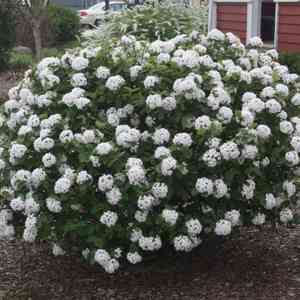
The ideal period for relocating koreanspice viburnum spans from mid-spring to early summer, facilitating robust development. Select a site featuring adequately draining earth, dappled sunlight, and ample room for its full-grown dimensions. Exercise care when managing the root system to encourage a smooth adjustment.
What Preparations are Needed Before Transplanting Koreanspice Viburnum?
What is the Ideal Time for Transplanting Koreanspice Viburnum?
The perfect time to move koreanspice viburnum is from mid-spring through early summer. This period offers an ideal environment for koreanspice viburnum to thrive, as the mild weather encourages robust root development. Relocating koreanspice viburnum during this phase will establish a strong foundation for growth, leading to abundant blooms. Therefore, plan accordingly to ensure koreanspice viburnum has the best chance for long-term health and vitality.
How Much Space Should You Leave Between Koreanspice Viburnum Plants?
When relocating koreanspice viburnum, it's advisable to maintain a spacing of approximately 6-10 feet (1.8-3 meters) between each specimen. This spacing guarantees ample room for their growth and the development of their delightful, fragrant flowers.
What is the Best Soil Mix for Koreanspice Viburnum Transplanting?
For koreanspice viburnum, amend the soil by incorporating organic matter like compost, and add a phosphorus-rich base fertilizer. Well-drained, loamy soil with a pH of 5.5-7 is optimal for this plant's development.
Where Should You Relocate Your Koreanspice Viburnum?
Select a site for your koreanspice viburnum that receives partial to full sun, as it adapts well to varying light conditions. Note that it flourishes in filtered shade, which prevents leaf scorch.
What Equipments Should You Prepare Before Transplantation Koreanspice Viburnum?
Gardening Gloves
To safeguard your hands while handling soil and the plant.
Shovel or Spade
For excavating a hole at the new site and extracting the plant from its original spot.
Hand Trowel
For minor adjustments and loosening soil around the root ball.
Pruning Shears
For trimming off dead or damaged branches.
Measuring Tape
To ensure the new hole is dug to the correct depth and width.
Watering Can or Hose
For hydrating the plant before and after its relocation.
Organic Compost or Peat Moss
To enhance soil quality and provide nutrients to the new planting area.
Mulch
To help retain soil moisture around the koreanspice viburnum plant after it's been moved.
How Do You Remove Koreanspice Viburnum from the Soil?
How Do You Remove Koreanspice Viburnum from the Soil?
From Ground: First, hydrate the koreanspice viburnum plant to moisten the soil. Next, excavate a wide trench around the plant using a shovel or spade, ensuring the plant's root ball remains intact. Carefully work the spade beneath the root ball to lift the plant from its initial position.From Pot: Water the koreanspice viburnum plant and gently tilt the pot onto its side. Grasp the plant's base and tap the pot's edges to loosen the soil and root ball. Carefully slide the plant out of the pot, supporting its root ball.From Seedling Tray: Utilize a hand trowel to gently lift the koreanspice viburnum seedling and its surrounding soil from the tray. Be careful not to harm the root system.
Step-by-Step Guide for Transplanting Koreanspice Viburnum
Site Preparation
Clear the chosen area of any weeds or debris, then dig a hole twice as wide and as deep as the koreanspice viburnum plant's root ball. Afterward, add a layer of organic compost or peat moss to the bottom of the hole.
Checking the Root Ball
Examine the root ball for any damaged or circling roots and trim them using pruning shears.
Placing the Plant
Gently position the koreanspice viburnum plant into the hole, ensuring the top of the root ball is level with the surrounding ground.
Backfilling
Fill the hole with a mixture of garden soil and organic compost or peat moss, pressing down lightly to remove air pockets.
Watering
Thoroughly water the koreanspice viburnum plant, allowing the water to penetrate the soil and settle the plant in its new spot.
Mulching
Apply a layer of mulch around the base of the koreanspice viburnum plant to help retain moisture and suppress weed growth.
How Do You Care For Koreanspice Viburnum After Transplanting?
Watering
Keep the soil around the koreanspice viburnum consistently moist, but not waterlogged, for the initial weeks post-transplant to aid in establishing strong roots.
Pruning
Trim any dead or damaged branches to encourage new growth and maintain the desired form.
Fertilizing
Apply a slow-release fertilizer in spring to promote vigorous growth and beautiful blooms.
Pest Control
Monitor the koreanspice viburnum plant for any pests or diseases and address issues promptly to maintain plant health.
General Maintenance
Regularly inspect the koreanspice viburnum plant for signs of stress or nutrient deficiencies and adjust your care routine as needed to keep the plant robust and vibrant.
Troubleshooting Common Issues with Koreanspice Viburnum Transplantation.
When is the best time to transplant koreanspice viburnum?
The optimal period for relocating koreanspice viburnum is from mid-spring to early summer. During this time, the plant is most resilient and can recover quickly from the stress of being moved.
What is the optimum distance between koreanspice viburnum plants when transplanting?
Allowing approximately 6-10 feet (1.8-3 meters) of space between each koreanspice viburnum plant ensures optimal growth. Avoid overcrowding to give each plant sufficient room to flourish.
How deep should I dig when transplanting koreanspice viburnum?
The hole should be roughly twice the width of the root ball and of the same depth. This facilitates easy accommodation of the roots and promotes better establishment.
What kind of maintenance is required post-transplant?
After transplanting, you should regularly water koreanspice viburnum, especially during dry spells. A layer of mulch around the base will help conserve moisture and deter weeds.
What soil type is best for koreanspice viburnum?
Koreanspice viburnum thrives in well-drained soil with a pH ranging from slightly acidic to slightly alkaline. It does not prefer overly rich or dense soil.
Can koreanspice viburnum be transplanted in a container?
Yes, koreanspice viburnum can flourish in a container; ensure the pot is large enough to support its growth and has adequate drainage holes to prevent waterlogging.
How do I handle the roots of koreanspice viburnum during transplanting?
Handle the roots gently to prevent damage. Loosen the root ball slightly before planting, spreading the roots outward, then carefully place the plant in the hole.
Is it recommended to prune koreanspice viburnum before or after transplanting?
Generally, it's best to prune koreanspice viburnum after transplanting and once it has established itself in its new location, typically the following spring after relocation.
What if the leaves of my transplanted koreanspice viburnum start to wilt?
Wilting may indicate stress or insufficient water. Ensure you are watering correctly and avoid placing it in intense, full afternoon sun, which can cause heat stress.
How do I ensure successful acclimation of koreanspice viburnum to its new environment?
Closely monitor the plant after transplanting. Ensure it receives enough water, and protect it from harsh weather and sun until it is well-established.



