How to Transplant Smooth witherod?
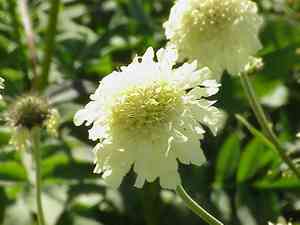
The perfect time to relocate smooth witherod is from mid-spring through late spring or during mid-autumn, since these intervals provide prime growth environments. For transplantation, select a spot featuring soil that drains effectively and offers partial shade. A helpful suggestion: ensure the root mass remains hydrated throughout the procedure for an easier adjustment!
Essential Preparations Before Relocating Smooth Witherod?
Optimal Timing for Smooth Witherod Relocation?
The best time to move smooth witherod is during the mild period from mid-spring to late spring, or the calm days of mid-fall. This timing minimizes stress on the plant, allowing for a strong recovery. Transplanting smooth witherod during these seasons provides it with ample vigor and improves its ability to establish a robust root system, ensuring a successful start in its new spot. Focusing on smooth witherod during these periods is crucial, as their health relies on a peaceful adjustment phase.
Recommended Spacing Between Smooth Witherod Plants?
To allow your smooth witherod ample room to develop, aim to position them approximately 6-12 feet (1.8-3.7 m) apart when transplanting. This spacing ensures each plant has sufficient area to expand and flourish.
Ideal Soil Blend for Smooth Witherod Transplanting?
For smooth witherod, prepare soil that drains well, retains moisture, and is rich in organic material. Mix in compost or aged manure to boost soil fertility. A slow-release, balanced fertilizer, such as 10-10-10, is a good choice for those new to gardening.
Where to Replant Your Smooth Witherod?
Select a site for your smooth witherod that receives either full sun or partial shade. They can endure various light conditions but will thrive best in a location that gets 4 to 6 hours of sunlight daily.
Tools Required Before Transplanting Smooth Witherod?
Gardening gloves
To safeguard your hands while handling soil and plants.
Shovel or Spade
For digging and lifting soil and the plant.
Garden Hoe
To clear any weeds from the transplanting area.
Bucket
Useful for transporting the smooth witherod from its original spot to the new one.
Mulch
To help maintain soil moisture around the newly transplanted plant.
Watering Can or Garden Hose
For immediate irrigation of the plant post-transplant.
How to Extract Smooth Witherod from the Ground?
How to Extract Smooth Witherod from the Ground?
From Ground: First, hydrate the smooth witherod plant to moisten the soil, making extraction easier. Next, use a shovel to dig deeply around the plant, ensuring the root ball stays intact. Gently lift from beneath the root ball, keeping as much soil as possible attached to the roots.From Pot: Water the plant before you begin. Turn the pot on its side, grasp the plant at its base, and carefully remove the smooth witherod plant. In some instances, you might need to tap the pot's sides to loosen the soil and roots.From Seedling Tray: When the smooth witherod plant has 2-3 true leaves and a well-developed root system, it's ready for transplant. Moisten the soil before carefully removing the plant to prevent root damage, and hold it by a leaf, never by the stem.
Step-by-Step Guide for Transplanting Smooth Witherod
Hole Preparation
Excavate a hole roughly twice the width of the smooth witherod plant's root ball to provide ample room for root expansion. The hole's depth should match the root ball's height, encouraging roots to grow downwards into the soil.
Placement
Position the plant in the hole, ensuring the top of the root ball is level with the ground surface. Then, spread the roots within the hole to promote their growth.
Backfilling
Refill the hole with soil, gently pressing it down as you go to eliminate any air pockets.
Watering
After transplanting, thoroughly water the smooth witherod; this helps settle the soil around the roots.
Mulching
Apply a layer of mulch around the plant; this aids in water conservation and weed suppression.
Post-Transplant Care for Smooth Witherod
Watering
Keep the soil around the smooth witherod consistently damp, but not waterlogged, for the initial weeks after transplant. Smooth witherod requires regular watering, especially during dry spells.
Pruning
Pruning the smooth witherod plant after transplanting is important for encouraging growth. However, refrain from pruning during the first year to allow your plant to recover and establish itself.
Weeding
Regularly remove weeds from the surrounding area to ensure a competitive-free environment for your smooth witherod.
Weather protection
If frost is anticipated, consider covering your smooth witherod with a garden blanket for protection.
Addressing Common Issues with Smooth Witherod Transplantation.
What is the optimal season for transplanting smooth witherod?
Typically, the pleasant periods of mid-spring to late spring, and the gentle autumn season provide the best conditions for relocating smooth witherod.
How much space does smooth witherod require during transplanting?
When transplanting smooth witherod, allow approximately 6-12 feet (1.8-3.7 meters) of distance between them. They will appreciate this space to flourish!
At what depth should I plant smooth witherod when transplanting?
Smooth witherod should be planted at the same depth it was growing previously. This prevents it from becoming waterlogged or drying out.
How much should I water smooth witherod after transplanting?
Water it generously immediately after transplanting. Afterward, keep the soil moist but avoid overwatering. Smooth witherod prefers consistent, adequate moisture.
Why is the recently transplanted smooth witherod wilting?
Wilting can be a symptom of transplant shock. Alleviate this by watering thoroughly and reducing exposure to direct sunlight for a few days.
Do I need to fertilize smooth witherod after transplanting?
Yes, feeding smooth witherod will aid its recovery from transplant shock. Use a balanced plant food or compost to promote healthy development.
Why are some leaves turning yellow after transplanting smooth witherod?
This could be normal transplant stress or a sign of excessive watering. Monitor watering carefully, and if yellowing persists, try adjusting moisture levels.
Does smooth witherod require staking after transplant?
Smooth witherod generally does not need staking, but if it is particularly tall or in a windy location, a temporary stake can offer beneficial support.
How should I prepare the transplant hole for smooth witherod?
The transplant hole should be twice the width of the root-ball and deep enough for smooth witherod to be planted at its original depth.
What kind of soil does smooth witherod prefer?
Smooth witherod thrives in well-drained, fertile soil. It tolerates various soil types, but incorporating organic matter will significantly enhance its performance.



