How to Transplant American Cranberry Bush?
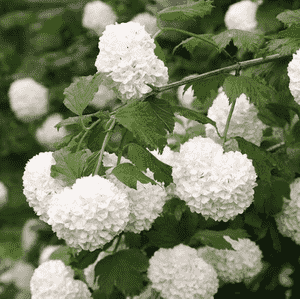
The most suitable period to relocate American Cranberry Bush is during the initial weeks of spring, while the plant remains inactive and fresh shoots have not yet emerged. Select a site featuring soil that drains effectively and receives either partial or complete sun exposure. Carefully loosen the root mass prior to transplanting to encourage superior development.
What Preparations are Needed Before Transplanting American Cranberry Bush?
What is the Ideal Time for Transplanting American Cranberry Bush?
The optimal period for relocating american Cranberry Bush is early Spring. This timing facilitates vigorous development as new roots spread. Such an approach allows this perennial to thrive and boosts its survival rate, particularly during summer heatwaves. This strategy is advantageous as it provides american Cranberry Bush a full growing season to establish before winter's cold. Trust us, it's the best time to ensure a healthy, flourishing american Cranberry Bush in your garden.
How Much Space Should You Leave Between American Cranberry Bush Plants?
When transplanting american Cranberry Bush, aim for a spacing of approximately 10-15 feet (3-4.5 meters) between them. This will provide ample room for their growth and prosperity!
What is the Best Soil Mix for American Cranberry Bush Transplanting?
The perfect soil for american Cranberry Bush is well-draining, rich in organic matter, and slightly acidic. Prepare the bed with a balanced fertilizer, such as 10-10-10 NPK, and incorporate it into the soil before transplanting.
Where Should You Relocate Your American Cranberry Bush?
American Cranberry Bush thrives in a sunny location that receives full sun to partial shade. Select a spot in your garden where the plants can get at least 4-6 hours of direct sunlight for optimal results!
What Equipments Should You Prepare Before Transplantation American Cranberry Bush?
Gardening Gloves
To shield your hands from dirt and thorns while working with the american Cranberry Bush.
Shovel or Spade
These tools are necessary for excavating both the initial hole where the plant currently resides and the new site for transplantation.
Wheelbarrow
Useful for moving the american Cranberry Bush from its original spot to the new one. It can also be used to transport compost or mulch.
Garden Hose or Watering Can
To hydrate the american Cranberry Bush before and after its relocation.
Pruning Shears
These will be helpful for trimming any dead or damaged parts of the american Cranberry Bush both before and after transplanting.
How Do You Remove American Cranberry Bush from the Soil?
How Do You Remove American Cranberry Bush from the Soil?
From Ground: Begin by watering the american Cranberry Bush plant to moisten the soil, which will facilitate digging. Next, use a shovel or spade to dig a wide circle around the plant, ensuring the plant's root ball remains intact. Carefully work the spade beneath the root ball to lift the plant. You can place the american Cranberry Bush in a wheelbarrow for transport.From Pot: If the american Cranberry Bush is currently in a pot, water it thoroughly, then turn the pot sideways, gently pull and shake to ease the plant out. You might need to tap the pot's edge to loosen the soil and free the plant. Be gentle to avoid damaging the root system.From Seedling Tray: If the american Cranberry Bush is in a seedling tray, it's best to move them once the plants have at least two sets of leaves. Gently hold a leaf, invert the tray, and tap it to release the plant. Handle seedlings by their leaves to prevent damage to the stem or roots.
Step-by-Step Guide for Transplanting American Cranberry Bush
Preparation
Dig a hole in the new location. The hole should be twice as wide and deep as the original to provide ample space for root expansion. Fill the bottom of the hole with compost to supply nutrients.
Transplanting
Position the american Cranberry Bush in the hole, ensuring the top of the root ball is level with the ground. Backfill the hole with soil, watering as you go to eliminate air pockets.
Tamp Down
Gently press down the soil around the base of the american Cranberry Bush plant to ensure it is stable and won't fall over.
Initial Watering
Water the plant generously using a garden hose or watering can, making sure the moisture penetrates deep to the bottom of the root system.
How Do You Care For American Cranberry Bush After Transplanting?
Observation
Regularly check the american Cranberry Bush for signs of distress such as yellowing leaves, wilting, or stunted growth. If any of these symptoms appear, consider consulting a local nursery or extension service.
Pruning
Use pruning shears to remove any dead or dying parts of the american Cranberry Bush to encourage healthier growth. This should ideally be done after transplanting.
Regular Watering
Consistently water the american Cranberry Bush, especially during warm weather or dry periods, to aid its recovery from transplant shock and establish strong roots.
Mulching
Apply a layer of mulch around the american Cranberry Bush to help retain soil moisture and suppress weeds.
Troubleshooting Common Issues with American Cranberry Bush Transplantation.
What's the perfect season for moving an american Cranberry Bush?
The optimal period to transplant your american Cranberry Bush is early spring, just as the winter frost recedes.
How much space does american Cranberry Bush need?
For healthy development, allow a minimum of 10-15 feet (3-4.5m) separation between each american Cranberry Bush. This provides sufficient room for each to flourish.
What's the best location for american Cranberry Bush after transplanting?
American Cranberry Bush prefers areas with full sun to partial shade; ensuring it receives ample light will contribute to a successful transplanting process.
What kind of soil does american Cranberry Bush need?
American Cranberry Bush isn't particular about soil type, but it thrives in well-draining soil. A rich, loamy soil with a neutral to slightly acidic pH would be most suitable.
How deep should I plant american Cranberry Bush?
Ensure the hole is twice the width of the root ball and deep enough to completely cover it. However, avoid planting american Cranberry Bush too deeply as it could lead to rot.
How regularly should american Cranberry Bush be watered after transplanting?
Keep the soil moist, but not waterlogged. A general guideline is to water them once or twice a week, depending on the weather conditions.
Should I trim or prune american Cranberry Bush after transplanting?
It's not essential immediately after transplanting. However, pruning in late winter or early spring can promote a healthy shape and size for your american Cranberry Bush.
Is it necessary to use fertilizer during transplanting american Cranberry Bush?
While not strictly required, it can be beneficial. A slow-release fertilizer applied during transplanting ensures nutrients are delivered gradually for healthy growth.
How can I ensure the root system of american Cranberry Bush is not damaged during transplanting?
Handle with care and avoid shaking off excess soil. A root ball wrapped in burlap offers protection during transportation and planting.
What should I do if my transplanted american Cranberry Bush isn't showing signs of growth?
Be patient; american Cranberry Bush might take some time to establish after transplanting, and delayed signs of growth are not uncommon. Continue with regular care routines.



