How to Transplant Black haw?
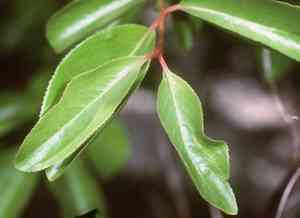
Transplanting black haw is most effective in early to mid-spring or mid to late summer, periods that provide ideal conditions for development. Verify that your chosen site features soil with good drainage and receives partial to full sunlight. Adhere to transplanting guidelines to achieve optimal outcomes and a flourishing specimen.
Necessary Preparations Before Relocating Black Haw?
Optimal Period for Moving Black Haw?
For a robust black haw, the best time for relocation is during the revitalizing months of early to mid-spring, or the pleasant period from mid to late summer. This timing ensures the black haw benefits from spring's rapid growth or summer's warmth. Adhering to this advice provides black haw with the finest possible start in its new spot, promoting vigorous development.
Required Spacing Between Black Haw Plants?
To allow your black haw plant ample room to develop, position each transplant approximately 5-10 feet (1.5 - 3 meters) apart. This guarantees sufficient space for root and branch expansion.
Ideal Soil Blend for Black Haw Relocation?
For thriving growth, black haw favors well-draining soil with a neutral pH. Enhance the soil with a foundation of organic compost or aged manure to nourish your plant and encourage strong development.
Preferred New Location for Your Black Haw?
Select a site for your black haw plant that receives full sun to partial shade, ideally with exposure to morning light and shelter from intense afternoon sun. This helps prevent leaf scorch and supports healthy growth.
Equipment to Prepare Before Transplanting Black Haw?
Gardening Gloves
To safeguard your hands while handling soil and the black haw plant.
Shovel or Spade
For excavating holes and extracting the plant from its initial position.
Wheelbarrow
To transport the black haw plant and soil.
Watering Can
To hydrate the plant before and after its relocation.
Garden Scissors or Pruners
For trimming any dead or compromised roots.
Method for Extracting Black Haw from the Soil?
Method for Extracting Black Haw from the Soil?
From Ground: First, irrigate the black haw plant to soften the earth. Next, use a shovel or spade to carefully dig around the plant, ensuring the root ball remains intact. Work the spade beneath the root ball to lift the plant from its original spot.From Pot: Water the plant prior to starting. Turn the pot on its side; tap the rim's edges to loosen the black haw plant's root ball and gently slide it out.From Seedling Tray: Water the seedlings; then carefully remove the black haw plant from its compartment. Handle it gently by its leaves rather than the stem to prevent damage.
Detailed Steps for Transplanting Black Haw
Excavating Holes
Dig a hole twice as wide and the same depth as the black haw's root ball.
Positioning the Plant
Place the black haw plant in the hole, ensuring it is level with the soil surface. If the roots are tightly packed, make sure to loosen them before planting it.
Backfilling the Hole
Refill the hole with the original soil. Gently firm the soil around the base of the black haw plant.
Watering
Thoroughly water the plant after it's planted. This will settle the soil around the roots of the black haw and aid in their establishment.
Post-Transplant Care for Black Haw
Monitoring
Observe for indications of stress, such as wilting or yellowing leaves. If these issues appear, your black haw may require more water or protection from strong winds.
Pruning
Refrain from pruning the black haw plant immediately after transplanting. Allow it to establish itself first. Concentrate on watering and nurturing the black haw during its initial days in the new location.
Mulching
Apply a 2-3 inch layer of organic mulch around the base of the black haw, but keep it a few inches away from the stem. Mulch helps retain moisture and regulate soil temperature.
Resolving Common Issues with Black Haw Transplantation.
When is the best time to transplant black haw?
The optimal period to move black haw is early spring through mid-spring or mid-summer until late summer, ensuring root establishment before temperature extremes.
How much space should I leave between black haw plants when transplanting?
Black haw thrives best with ample room to grow. Ensure a spacing of approximately 5 to 10 feet (1.5 to 3 meters).
What should I do if the black haw plant looks wilted after transplanting?
Wilted black haw plants might need more water, especially during the initial weeks post-transplant. Water thoroughly, but avoid saturating the soil.
The leaves of my transplanted black haw are turning yellow. What's wrong?
Yellow leaves could signal adjustment stress, excessive watering, or nutrient deficiency. Ensure the soil isn't waterlogged and consider a balanced fertilizer.
What type of soil is best for transplanting black haw?
Black haw adapts to most soil types but prefers moist, well-drained soil rich in organic matter for optimal growth.
Why are the leaves of my transplanted black haw getting brown spots?
Brown spots often indicate a fungal issue. Prune affected areas, ensure good air circulation, and avoid overhead watering.
What is the ideal transplanting depth for black haw?
Plant black haw at the same depth it was growing previously. The top of the rootball should be level with or slightly above the ground surface.
How should I water black haw after transplanting?
Water thoroughly immediately after transplanting. Afterward, keep the soil consistently moist but not waterlogged, watering deeply every 7-10 days.
How much sunlight does a transplanted black haw need?
After transplanting, position black haw in a location receiving full sun to partial shade. It tolerates various light levels.
Should I prune black haw after transplantation?
Pruning is not necessary right after transplanting. If needed, light pruning can be done to shape black haw or remove damaged branches.



