How to Transplant Rusty blackhaw?
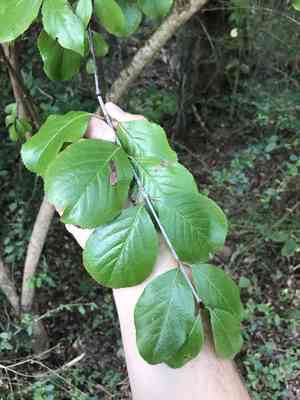
The optimal period for relocating rusty blackhaw is from the middle of spring to the beginning of summer, since the warmer ground aids in root integration. Select a site that receives moderate to ample sunlight and possesses soil that drains effectively to guarantee thriving growth. Carefully separate the root mass during transplantation to foster robust root expansion.
What Preparations are Needed Before Transplanting Rusty Blackhaw?
What is the Ideal Time for Transplanting Rusty Blackhaw?
Moving rusty blackhaw is best accomplished from mid-spring to early summer, a period often called the 'growing season'. This allows the plant to become firmly rooted before intense summer heat arrives. Relocating rusty blackhaw during this timeframe provides it with the best chance for developing strong roots, thus ensuring robust plant development for abundant outcomes. Shift your rusty blackhaw during this interval, and observe its thriving in its new spot!
How Much Space Should You Leave Between Rusty Blackhaw Plants?
For relocating our lovely rusty blackhaw, it's advisable to provide ample room for expansion! Aim for a separation of approximately 96-120 inches (244-305 cm) between plants. This will offer sufficient space for growth and aid your plants in flourishing!
What is the Best Soil Mix for Rusty Blackhaw Transplanting?
To give your rusty blackhaw the optimal start, plant it in soil that drains well and is loamy. Be sure to incorporate some compost or organic material for added nutrients. For a balanced foundational fertilizer, opt for a slow-release granular type (e.g., 10-10-10 or 14-14-14), following the product's directions.
Where Should You Relocate Your Rusty Blackhaw?
Placement is crucial for a thriving rusty blackhaw! Select a location where your plant will receive partial to full sunlight throughout the day. This will ensure optimal development and a beautiful display in your garden!
What Equipments Should You Prepare Before Transplantation Rusty Blackhaw?
Gardening Gloves
To safeguard your hands while handling soil and the plant.
Garden Shovel or Spade
For digging holes for the rusty blackhaw plant and lifting it from its original spot.
Garden Trowel
Useful for excavating smaller holes and loosening the soil in the new planting site.
Watering Can or Hose
For maintaining consistent soil moisture during the relocation process.
Wheelbarrow
To assist in transporting the rusty blackhaw plant from its initial location to its new one.
Broom or Rake
Helpful for tidying the transplantation area.
Mulch (Optional)
Natural bark or compost can be utilized to supply the rusty blackhaw plant with additional nutrients and retain moisture after transplantation.
How Do You Remove Rusty Blackhaw from the Soil?
How Do You Remove Rusty Blackhaw from the Soil?
From Ground: First, irrigate the rusty blackhaw plant to compact the soil around its roots. Use a garden shovel or spade to dig around the plant, ensuring the root ball remains intact. Carefully work the spade beneath the root ball to lift the plant from its initial position.From Pot: Make sure to water the rusty blackhaw plant so it slides out of the pot more easily. Gently tip it to the side, secure a hold at the stem's base, and slide it out. Do not pull or tug as this can harm the root system.From Seedling Tray: Use a garden trowel to carefully scoop out the seedling, again ensuring the root ball stays intact. Handle the seedling by its leaves, and avoid pulling the stem to prevent damage to the young plant.
Step-by-Step Guide for Transplanting Rusty Blackhaw
Preparation
Prepare the new site for the rusty blackhaw plant by digging a hole twice the width of rusty blackhaw's root ball. Loosen the soil at the bottom of the hole with a garden trowel.
Transplantation
Place the rusty blackhaw in the hole, ensuring it's not planted deeper than it was in its original spot. Backfill the hole with soil, gently patting around the base of the rusty blackhaw to ensure stability.
Watering
Thoroughly water the rusty blackhaw plant. Ensure the soil is moist, but avoid excessive watering.
Mulching (Optional)
You may apply a layer of mulch around the plant's base. This will help retain moisture and provide extra nutrients to the plant.
How Do You Care For Rusty Blackhaw After Transplanting?
Watering
Ensure the rusty blackhaw is regularly watered to aid in establishing its new root system in the initial weeks after transplant. Be careful not to over-saturate.
Pruning
If the rusty blackhaw appears stressed after transplanting, consider trimming off the top third of the plant to reduce the energy it needs while establishing a new root system.
Monitoring
Observe the rusty blackhaw for indications of distress such as wilting or yellowing leaves. If these signs appear, adjust care practices accordingly.
Troubleshooting Common Issues with Rusty Blackhaw Transplantation.
When is the best time to transplant rusty blackhaw?
Relocate rusty blackhaw during mid-spring to early summer or when daytime temperatures are mild and comfortable.
What is the recommended distance for spacing rusty blackhaw during transplanting?
Ensure ample spread for rusty blackhaw by positioning each plant approximately 96-120 inches (243-305 cm) apart from one another.
What type of soil is most conducive for rusty blackhaw?
Rusty blackhaw prefers well-draining soil that is rich in organic matter. Make sure the chosen transplant site possesses these characteristics.
How much watering does rusty blackhaw require post-transplant?
Initially, water rusty blackhaw generously until the plant is well-established. Subsequently, you can moderate irrigation based on the plant's needs and climatic conditions.
How should I prepare the transplant hole for rusty blackhaw?
Dig a hole twice the width and similar depth as the root ball. This provides rusty blackhaw with sufficient space to spread its roots.
How much sunlight does the rusty blackhaw need?
Rusty blackhaw tolerates various light conditions, from full sun to partial shade. However, it generally thrives best in areas with partial sunlight exposure.
How often should I fertilize rusty blackhaw after transplanting?
Feed rusty blackhaw with a slow-release fertilizer in early spring or according to the product's instructions. A balanced fertilizer will help boost rusty blackhaw's growth.
Is pruning necessary after transplanting rusty blackhaw?
Yes, regular pruning helps manage rusty blackhaw's size and encourages vigorous growth. Remove any dead or diseased branches immediately upon noticing them.
What's the best method to transplant a mature rusty blackhaw?
Transplanting mature rusty blackhaw can be challenging. Ensure you excavate a large root ball to protect the roots and prune back the plant to minimize shock.
Do pests or diseases affect rusty blackhaw post-transplanting?
Rusty blackhaw is resilient, but watch out for pests like aphids and diseases such as powdery mildew. If detected, use organic pesticides and fungicides to control them.



