How to Transplant Chinese wisteria?
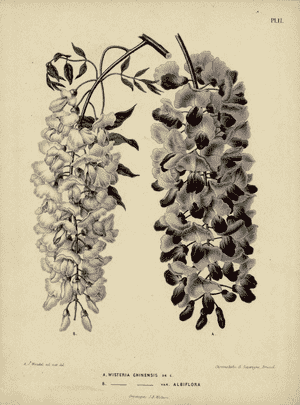
Relocate Chinese wisteria during the initial weeks of spring, as this period offers the most favorable conditions for its successful integration. Select a site that receives full sun to partial shade, featuring rich, adequately draining earth. During the transplanting process, carefully disentangle its root mass and provide a generous watering.
What Preparations are Needed Before Transplanting Chinese Wisteria?
What is the Ideal Time for Transplanting Chinese Wisteria?
The optimal period to relocate chinese wisteria is early spring, often referred to as the season of renewal. The mild temperatures encourage vigorous development. This timing allows chinese wisteria to develop robust roots prior to the summer heat, ensuring a vibrant floral display. It's more than just a routine transfer; it's about providing chinese wisteria a crucial advantage.
How Much Space Should You Leave Between Chinese Wisteria Plants?
For chinese wisteria, it's best to provide ample room for growth! Position your plants approximately 15-20 feet (4.5-6 meters) apart, as this will ensure adequate air circulation and development.
What is the Best Soil Mix for Chinese Wisteria Transplanting?
Your chinese wisteria will thrive in well-drained, loamy soil rich in organic matter. Prepare its new location by incorporating a base fertilizer, such as compost or aged manure, to nourish the plant.
Where Should You Relocate Your Chinese Wisteria?
Locate a sunny spot for chinese wisteria in your garden, as it flourishes in full sun to partial shade. If feasible, select a site with morning sun and afternoon shade to shield the plant from intense heat.
What Equipments Should You Prepare Before Transplantation Chinese Wisteria?
Garden Trowel
This implement can be utilized to excavate the hole where you intend to transplant the chinese wisteria. It's ideal for making precise and clean cuts into the soil.
Gardening Gloves
These are crucial for safeguarding your hands from harm while handling the plant and the soil.
Spade
A spade assists in digging a sufficiently deep hole to accommodate the plant's root system and is useful for breaking up any hard or compacted soil.
Watering Can
A watering can equipped with a gentle shower head is necessary to hydrate the plant after its relocation.
Mulch
Mulch insulates the soil, aids in moisture retention, and can inhibit weed growth around your chinese wisteria.
Soil Compost
Enriching the ground with high-quality compost significantly benefits the chinese wisteria.
How Do You Remove Chinese Wisteria from the Soil?
How Do You Remove Chinese Wisteria from the Soil?
From Ground: If your chinese wisteria plant is already in the ground but requires relocation, begin by thoroughly soaking the soil around the plant's base, which will facilitate its removal. Start digging a trench approximately two feet wider than the plant in all directions. Once this is done, you can then carefully work your way beneath the plant to avoid severing or damaging the roots, and gently lift the plant, keeping as much of the root system intact as possible.From a Pot: If the chinese wisteria is in a pot, removal is simpler. Begin by watering the plant until water drains from the bottom of the pot. Then, tilt the pot sideways or upside down while supporting the stem base of your chinese wisteria between your fingers. Gently ease the pot off without pulling the plant or harming its roots.From a Seedling Tray: Carefully push the chinese wisteria seedling out from the bottom. Again, ensure you do not pull the seedling out by the stem. Hold the seedling by its leaves or root ball, and then gently lift it up and out of the tray.
Step-by-Step Guide for Transplanting Chinese Wisteria
Digging the Hole
To commence the transplanting process, you will need to excavate a hole that is approximately twice the width of the chinese wisteria's root ball and equal in depth. The ample space encourages the roots to expand into the surrounding soil.
Positioning The Plant
Next, center your chinese wisteria plant in the hole. Spread the roots out and ensure the plant is neither too deep nor too shallow. The top of the root ball should ideally be level with the ground surface.
Backfilling the Hole
Now, gradually add the excavated soil around the root ball, gently firming it as you proceed. Ensure there are no air pockets that could dehydrate the roots.
Watering
After the chinese wisteria is in place, water it thoroughly so that the soil can settle around the root base. During this initial watering, the soil may compact, necessitating the addition of more soil.
Applying Mulch
Finally, encircle your newly transplanted chinese wisteria with mulch. Be careful not to allow the mulch to touch the plant, as it can cause the trunk to soften or rot.
How Do You Care For Chinese Wisteria After Transplanting?
Watering Frequency
Ensure that the chinese wisteria receives a significant amount of water, especially during dry periods. It's preferable to water deeply once or twice a week rather than frequently with small amounts to support root development. However, be cautious not to over-water.
Pruning
To maintain its form and promote a robust plant structure, prune your chinese wisteria in early spring once the danger of frost has passed.
Mulching
Regularly verify that the mulch is in place and replenish it as needed. This will help preserve soil moisture and minimize weed competition.
Troubleshooting Common Issues with Chinese Wisteria Transplantation.
When's the best time to transplant a chinese wisteria?
The optimal moment to reposition a chinese wisteria is in the early spring, just before new growth commences. This provides an opportunity for the plant to establish roots before the summer heat.
Should I water the chinese wisteria before transplanting?
Absolutely! Thoroughly watering the chinese wisteria a day prior to transplanting helps to minimize plant stress and keep the root ball intact during the process.
How far apart should I transplant chinese wisteria plants?
Providing your chinese wisteria ample room to grow by spacing it 15 to 20 feet (4.5 to 6 meters) apart will prevent overcrowding and allow for healthier development.
What kind of soil is suitable for transplanting chinese wisteria?
Chinese wisteria thrives in fertile, well-drained soil with a pH between 6.0 and 7.0. Enriching the soil with organic matter will help to boost its nutrient levels before planting.
What are the steps to prepare a chinese wisteria for transplantation?
Firstly, hydrate the chinese wisteria one day before the procedure. On transplant day, dig around the root ball, ensuring it remains intact. Next, carefully lift the plant, avoiding damage.
What aftercare does a transplanted chinese wisteria require?
Chinese wisteria needs consistent watering until it's well-established. Check the soil, and if the top 1-2 inches (2-5 cm) are dry, apply water. Also, add a generous layer of mulch to conserve moisture.
What's the proper way to dig a hole for transplanting chinese wisteria?
The transplant hole should be twice as wide as and slightly shallower than the chinese wisteria's root ball. A larger hole provides roots with space to spread and grow freely.
How do I know if my transplanted chinese wisteria is thriving?
Successful transplantation will result in new growth on your chinese wisteria. If you observe new foliage and blossoms after a few weeks, it indicates your plant is adapting well.
How deep should I plant the chinese wisteria after transplantation?
Ensure the chinese wisteria is positioned at the same soil level as it was previously. Planting it too deeply can lead to stem rot, while planting too shallowly may expose the roots.
What if the chinese wisteria wilts after transplantation?
Wilting post-transplant is common due to transplant shock. Increase watering, shade the plant from intense sun, and reduce competition from weeds to aid your chinese wisteria's recovery.



