How to Transplant Adam's needle?
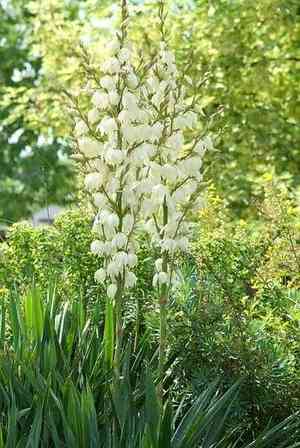
The ideal period to relocate adam's needle is in the initial part of spring, as temperatures consistently rise. Select a bright spot with soil that drains effectively to encourage robust development. Exercise care when managing the root system and ensure sufficient distance between specimens for adequate air movement.
Preparations Required Before Relocating Adam's Needle
Optimal Timing for Adam's Needle Relocation?
The most favorable period for moving adam's needle is the onset of spring. Spring offers the perfect environment for adam's needle as it emerges from dormancy and prepares for vigorous development. Transplanting during this season allows the plant to establish its root system quickly before summer, ensuring ample time for recuperation and growth, leading to healthier specimens.
Recommended Spacing Between Adam's Needle Plants?
When relocating adam's needle, ensure each plant has ample room to expand. Ideally, maintain a separation of 2-3 feet (60-90 cm) in all directions. This enables each plant to flourish and prevents overcrowding.
Best Soil Mixture for Adam's Needle Transplanting?
For adam's needle to thrive, prepare a well-draining soil blend with a sandy or loamy consistency. Additionally, incorporate some compost or a slow-release granular fertilizer as a base. This will supply your plants with essential nutrients throughout their development.
Ideal Location for Relocating Your Adam's Needle?
Select a site that receives direct sunlight for at least 6 hours daily for transplanting your adam's needle. These plants prefer bright conditions and flourish in them. Furthermore, adequate sun exposure will encourage blooming and overall development.
Equipment to Prepare Before Transplanting Adam's Needle?
Gardening Gloves
To safeguard your hands while handling soil and adam's needle.
Garden Spade
This tool is crucial for excavating holes and moving soil.
Trowel
A trowel will be useful for digging smaller holes and delicate work with the root ball.
Watering Can
Used to hydrate the adam's needle plant both before and after relocation.
Wheelbarrow
Assists in moving the adam's needle plant and soil from one spot to another.
How to Extract Adam's Needle from the Soil?
How to Extract Adam's Needle from the Soil?
From Ground: If your adam's needle plant is in the ground, first, moisten the soil around the plant. This helps keep the root ball intact during removal. Using a garden spade, dig a wide and deep trench around the plant, ensuring the plant's root ball remains undisturbed. Carefully work the spade beneath the root ball to lift the adam's needle from its original position. From Pot: To remove an adam's needle plant from a container, first water the plant. Then, gently grasp the stem and invert the pot. Apply a slight shake if needed. The plant should slide out along with the soil. From Seedling Tray: For young plants, use a trowel to carefully lift the adam's needle from its tray. Exercise extreme caution to avoid damaging the delicate roots.
Step-by-Step Guide for Relocating Adam's Needle
Preparation
Fill a wheelbarrow with a mixture of garden soil and compost. This will provide a nourishing environment for the adam's needle's roots to establish.
Digging
Use a garden spade to excavate a hole in the new location. The hole should be twice the width and equivalent in depth to the adam's needle's root ball.
Placement
Position the adam's needle plant into the hole. The top of the root ball should be level with the ground surface. Gently spread its roots within the hole.
Backfilling
Refill the hole with the soil-compost mixture. Gently compact the soil to eliminate any air pockets.
Watering
Thoroughly water the adam's needle plant immediately after relocation. This aids in settling the soil around the roots.
Post-Transplant Care for Adam's Needle
Watering
Water the adam's needle plant consistently until it establishes. Keep the soil uniformly moist but prevent overwatering.
Pruning
Lightly prune the adam's needle plant, removing any dead or damaged foliage. This promotes new growth.
Mulching
Apply a layer of mulch around the adam's needle plant. This helps retain soil moisture and inhibits weed growth.
Protection
Shield the newly relocated adam's needle from harsh weather conditions, such as frost or intense sun, for a few weeks until it becomes established.
Addressing Common Issues with Adam's Needle Relocation.
When is the best time to move my adam's needle?
Mark the arrival of warmer days by relocating your adam's needle in early spring. It will thrive in the spring temperatures!
What is the ideal distance between adam's needle plants when replanting?
To allow your adam's needle plants to flourish, keep them approximately 2-3 feet (about 60-90 cm) apart.
How should I prepare the soil before relocating my adam's needle?
It's crucial to ensure the soil drains quickly. Incorporate compost, sand, or fine gravel to prevent water retention.
Should I water the adam's needle immediately after transplanting?
Yes, do water them. However, avoid excessive watering as adam's needle prefers drier conditions. Think drought-tolerant watering.
How deep should the hole be for relocating my adam's needle?
The hole should be deep enough to accommodate the root ball. About twice its diameter (or larger) is optimal.
What precautions should I take when handling the adam's needle root ball during relocation?
Handle the adam's needle root ball with care to prevent damage. Try not to disturb the roots while lifting the plant.
What if the adam's needle doesnât seem to be growing well after relocation?
If growth is slow, poor drainage might be the cause. Ensure your adam's needle is not sitting in waterlogged soil.
Does my adam's needle require fertilizers after relocation?
Although it's not high-maintenance, adam's needle may benefit from an occasional application of balanced all-purpose plant food after replanting.
How much sunlight does my relocated adam's needle need?
Adam's needle is a sun-lover! Ensure it receives full sunlight exposure or at least several hours of strong, daily sun.
Should I prune my adam's needle after relocation?
Pruning isn't essential immediately after transplanting. However, feel free to remove any dead or damaged leaves to encourage healthy growth.



