How to Transplant Coontie?
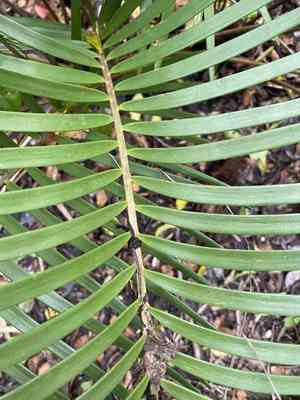
The most favorable period for transplanting coontie is during the revitalization of early to mid-spring, as this allows for optimal root establishment. Choose a location with good drainage and partial shade, making sure the new environment closely resembles its native setting to facilitate a smooth adaptation.
What Preparations are Needed Before Transplanting Coontie?
What is the Ideal Time for Transplanting Coontie?
The beginning of mild weather, specifically early to mid-spring, is the perfect period for relocating coontie. This timeframe allows coontie's root system to establish itself prior to the demands of warmer months. Moving coontie during this season capitalizes on spring's gentle temperatures and increasing daylight, which promote robust root development and adaptation in their new spot. By selecting this period, you provide coontie with a strong start, ensuring a smooth transition and flourishing growth in its new home.
How Much Space Should You Leave Between Coontie Plants?
For new gardeners, when moving coontie, remember to allow them room to expand. A good guideline is to maintain approximately 6-8 feet (1.8-2.4 meters) between each plant. This will provide sufficient space for healthy development.
What is the Best Soil Mix for Coontie Transplanting?
Your coontie will thrive in a well-draining soil type; a combination of sand, silt, and a small amount of clay is recommended. Before planting, enrich the soil with a slow-release base fertilizer to provide a nutritional boost!
Where Should You Relocate Your Coontie?
Seek out a location that receives ample sunlight, but not overly direct and intense. Coontie also appreciates some shade, so a spot with partial sun to light shade will be excellent. Take good care of your young coontie!
What Equipments Should You Prepare Before Transplantation Coontie?
Gardening Gloves
To safeguard your hands while handling the plant and working with the soil.
Shovel or Spade
To excavate around the plant during the removal process and to dig the hole for replanting.
Tarp or Plastic Sheet
To place the coontie on after extraction to prevent any harm to the root system.
Water Hose or Watering Can
To keep the plant hydrated throughout the transplanting procedure.
Compost or Organic Matter
To enhance the soil quality in the new planting area.
Mulch
For top-dressing around the base of the coontie after transplanting to retain moisture.
How Do You Remove Coontie from the Soil?
How Do You Remove Coontie from the Soil?
From Ground: First, water the coontie plant the day before removing it; this softens the soil and facilitates the removal process. With your shovel, create a wide circle around the plant's base, deep enough to get beneath the root system. Then, carefully work the shovel under the root ball and lift the plant out with gentle wiggling. Ensure no damage to the root system.From Pot: Begin by thoroughly watering the coontie; this will aid removal. Then, tap the pot's sides to loosen the soil. Turn the pot sideways, securing the plant and its base with your hand. Gently pull out the plant, avoiding harsh tugs.From Seedling Tray: If the coontie is a seedling, water before removal and gently push it upwards from the tray's bottom to dislodge it. Always handle seedlings by their leaves to prevent stem damage.
Step-by-Step Guide for Transplanting Coontie
Soil Preparation
Prepare the transplanting hole to be twice the size of the coontie's root ball. Improve the soil in the hole by incorporating compost or organic matter and mixing thoroughly.
Placing the Plant
Carefully position the coontie in the hole, ensuring the top of the roots is level with the surrounding soil surface.
Filling the Hole
Backfill the hole with the soil mix, firming gently as you go, but avoid heavily compacting the soil around the root ball.
Watering
After transplanting, water deeply. This helps settle the soil around the roots and aids in plant establishment.
Mulching
Following watering, apply a layer of mulch around the plant's base. This assists in retaining soil moisture and suppressing weeds.
How Do You Care For Coontie After Transplanting?
Regular Watering
Ensure the coontie plant receives consistent and sufficient water. The aim is to keep the soil moist but not waterlogged.
Observation
Regularly inspect the coontie for indications of stress, such as drooping or yellowing leaves. If you notice anything unusual, it may require adjustments in watering, light, or potential pest management.
Pruning
If you observe dead or dying fronds, trim these fronds to redirect the plant's energy towards healthier growth. It also helps maintain the plant's appearance.
Troubleshooting Common Issues with Coontie Transplantation.
When is the best time to transplant the coontie?
The optimal period to transplant coontie is during S1-S2, as this offers the most favorable conditions for root establishment.
How far apart should the coontie be planted?
When planting multiple coonties, ensure a distance of 6-8 feet (1.8-2.4 meters) between each plant to allow for healthy development.
What kind of soil is most beneficial for transplanting the coontie?
Coontie thrives in well-drained soil. Ensure your soil is neither too sandy nor too dense, as this could negatively impact the plant's health.
Do I need to water the coontie immediately after transplanting it?
Yes, you should water the coontie generously right after transplanting to help it settle into its new environment and mitigate transplant shock.
How much sunlight does the transplanted coontie need?
Coontie performs best with moderate to full sunlight exposure. However, they can also tolerate partial shade, especially in hotter climates.
What signs should I look for to indicate that the coontie is adapting well post-transplant?
New growth, specifically fresh, green leaves, indicates that the coontie is adapting well after transplanting. Wilted, yellow, or dropping leaves may suggest stress.
How to deal with transplant shock in my coontie?
If you observe signs of transplant shock, temporarily reduce sunlight exposure and ensure your coontie receives ample water and appropriate nutrients.
Any advice on choosing the right location for transplanting the coontie?
Coontie can grow well in both full sun or partial shade, but ensuring well-drained soil and providing ample spacing of 6-8 feet (1.8-2.4 meters) are crucial.
Does the size of the container matter when transplanting the coontie?
Yes, container size is vital. The container should be sufficiently large to comfortably accommodate the roots, allowing them to spread out rather than bunch up.
How often should I water my newly transplanted coontie?
Water your newly transplanted coontie regularly or whenever the top inch of soil feels dry. Avoid overwatering, as this can lead to root rot.



