How to Transplant Common zinnia?
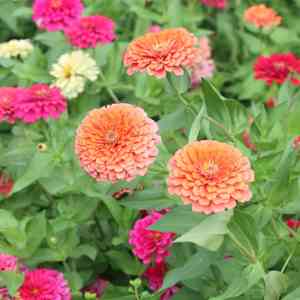
To successfully relocate common zinnia, select the ideal period from mid-spring to late spring. Pick a spot that receives ample sunlight and possesses soil with good drainage to guarantee robust development. Bear in mind, careful manipulation of these fragile young plants is crucial!
Essential Preparations Before Relocating Common Zinnia
Optimal Period for Transplanting Common Zinnia?
The most suitable time to move common zinnia is from mid to late spring. During this interval, the ground is warm and temperatures are stable, fostering robust root development. Additionally, it enables common zinnia to flower profusely throughout the entire summer!
Recommended Spacing Between Common Zinnia Plants?
To provide common zinnia ample room for growth, ensure a separation of approximately 1-2 feet (30-60 cm) between plants during transplantation. This promotes adequate air circulation and allows their beautiful blossoms to flourish.
Ideal Soil Mixture for Common Zinnia Relocation?
For common zinnia, well-draining soil with a pH level between 6.0-7.0 is optimal. Be sure to incorporate a slow-release granular base fertilizer into the soil prior to transplanting to supply vital nutrients to your plants.
Preferred Location for Your Common Zinnia?
Regarding sunlight, common zinnia thrives in it! Select a garden spot that receives a minimum of 6 hours of direct sunlight daily. This will encourage strong growth and vibrant flower production.
Equipment Required for Common Zinnia Transplantation
Gardening Gloves
To safeguard your hands while handling soil and plants.
Trowel or Spade
Useful for excavating holes and transferring earth during the transplanting process.
Watering Can
For hydrating the common zinnia plant before and after the relocation procedure.
Pruner or Scissors
To remove dead or damaged foliage prior to transplanting.
Compost or Organic Matter
To enrich the soil with nutrients and enhance its structure.
Garden Ruler or Tape Measure
To accurately measure the distance between common zinnia plants.
Stakes or Plant Supports (Optional)
To offer stability and support to common zinnia plants as they grow.
Method for Extracting Common Zinnia from the Soil?
Method for Extracting Common Zinnia from the Soil?
- From Ground:First, moisten the common zinnia plant's soil. Then, excavate a wide trench around the plant using a trowel or spade, ensuring the plant's root ball remains intact. Carefully maneuver the tool beneath the root ball and lift the plant from its original spot.- From Pot:Thoroughly water the common zinnia plant. Turn the pot on its side and gently tap it to loosen the soil. If the plant is larger and cumbersome, place one hand on the soil surface at the plant's base while holding the pot with the other hand, then carefully extract the plant from the pot.- From Seedling Tray:Water the seedling tray to dampen the soil. Utilize a small utensil, such as a spoon, to carefully lift each common zinnia seedling by its root ball, taking care not to harm the stems or roots.
Detailed Steps for Transplanting Common Zinnia
Preparation
Select a site with adequate sunlight and room for your common zinnia plant to reach its full size. Dig a hole slightly wider and deeper than the root ball, using your trowel or spade.
Soil Enhancement
Add a layer of compost or organic material to the base of the hole, mixing it with the existing soil. This will enrich the planting area and improve drainage.
Plant Placement
Gently position the common zinnia plant's root ball into the prepared hole, ensuring the top of the root ball is level with the soil surface. Adjust the hole's depth if needed by adding or removing soil.
Backfilling the Hole
Carefully backfill the hole with soil, gently firming it around the root ball to eliminate air pockets. Ensure the soil level remains even with the top of the root ball.
Watering
Thoroughly water the common zinnia plant to settle the soil and aid root establishment. Be careful not to overwater and avoid creating standing water.
Spacing
Using your garden ruler or tape measure, confirm that your common zinnia plants are spaced according to their specific requirements, allowing for air circulation and growth.
Staking (Optional)
If necessary, provide stakes or plant supports for your common zinnia plants to grow upright and stable.
Post-Transplantation Care for Common Zinnia
Watering
Maintain consistent moisture in the soil around the common zinnia, but avoid sogginess, for the initial weeks after transplanting to help establish strong roots. Gradually decrease watering frequency as the plant becomes settled.
Deadheading
Regularly remove faded flowers to encourage continuous blooming throughout the growing season.
Fertilizing
Apply a balanced, slow-release fertilizer or organic plant food after transplanting and continue to nourish your common zinnia plant according to label directions to support healthy development.
Pest Control
Monitor for common pests such as aphids and caterpillars, and address them as needed with appropriate pest management techniques.
Monitoring
Regularly observe your common zinnia plant to ensure it is adapting well to its new environment, and resolve any issues that arise.
Resolving Common Issues with Common Zinnia Transplantation.
When is the best time to transplant common zinnia?
The ideal period for common zinnia transplantation is mid to late spring, allowing it to flourish in optimal temperatures.
What is the correct spacing for transplanting common zinnia?
Position your common zinnia plants 1-2 feet (30-60 cm) apart to ensure healthy development and proper air circulation.
What type of soil should be used when transplanting common zinnia?
Common zinnia prefers well-draining, fertile soil rich in organic matter. Amend soil with compost or aged manure if necessary.
What is the optimal depth to plant common zinnia?
When transplanting common zinnia, plant it at the same depth it was in its original container to maintain stability and growth.
How should I water common zinnia after transplanting?
Water common zinnia thoroughly after transplanting and ensure consistent moisture while avoiding over-watering that may lead to root rot.
How much sunlight does common zinnia need after transplanting?
Common zinnia requires full sun to ensure vibrant blooms, so transplant it in a location receiving at least 6 hours of sunlight daily.
Do I need to fertilize common zinnia during transplanting?
Add a slow-release granular fertilizer when transplanting common zinnia and follow the package instructions for proper application rates.
How can I prevent transplant shock in common zinnia?
Minimize transplant shock by gently handling common zinnia during transplanting, planting on a cloudy day, and keeping the roots moist.
Should I pinch back common zinnia after transplanting?
Pinching back common zinnia after transplanting promotes bushy growth and ensures more blooms throughout the season.
How can I prevent diseases when transplanting common zinnia?
To prevent diseases, provide adequate spacing, avoid overhead watering, and remove any dead or diseased plant material promptly.



